
Choosing the Right Sized Air Conditioner for Your Home in Powell
Ohio summers in Powell bring high humidity and temperatures that can push your air conditioner to its limits. Choosing the right sized unit is not about picking the biggest model available. It is about finding the system that matches your home’s specific cooling needs based on square footage, insulation, windows, and local climate factors. Why Your Westerville AC Needs a Tune Up Before the Humidity Hits.
Powell homes range from mid-century ranches to newer two-story builds near downtown Powell and the Olentangy River area. Each home has unique cooling requirements. An undersized unit will run constantly without reaching your set temperature. An oversized unit will cool too quickly without removing enough humidity leaving your home feeling clammy and uncomfortable.. Read more about Is Geothermal Heating and Cooling Worth It for Your Property Near Galena?.
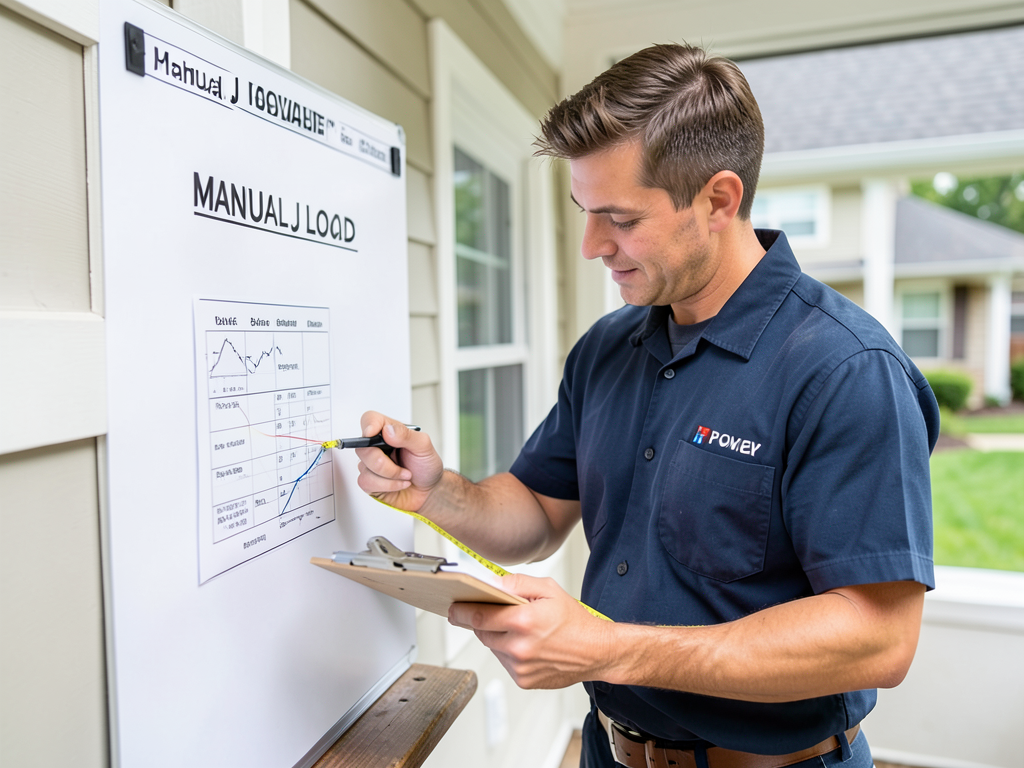
The proper way to determine AC size starts with a Manual J load calculation. This industry standard method considers your home’s construction materials, orientation, window types, and local weather data. In Powell that means factoring in the area’s high summer humidity and rapid temperature swings during spring and fall. Manual J Load Calculation.
Understanding AC Sizing and BTU Requirements
Air conditioner capacity is measured in British Thermal Units or BTUs. A general rule of thumb suggests 20 BTUs per square foot but that is only a starting point. Powell’s climate means you may need more cooling power than a similar home in a drier climate.
For example a 2,000 square foot Powell home might need 40,000 BTUs under basic calculations. But after accounting for large south-facing windows high ceilings or poor insulation that requirement could jump to 48,000 BTUs or more. The only way to know for sure is through a professional load calculation.
Central air conditioners are also rated by tonnage. One ton equals 12,000 BTUs. So a 48,000 BTU system would be a four-ton unit. Choosing between a three-ton and four-ton unit can mean the difference between a comfortable home and one that never quite cools down on a humid July afternoon.. Read more about How to Get a New HVAC System in Hilliard with Monthly Payments You Can Afford.
Types of Central Air Conditioning Systems for Powell Homes
Powell homeowners typically choose from three main types of central AC systems. Each has different sizing considerations and efficiency levels.
Split systems are the most common. The condenser sits outside while the evaporator coil and blower are inside connected by refrigerant lines. These work well for most Powell homes but require proper ductwork sizing to match the air handler to the cooling capacity.
Heat pumps offer heating and cooling in one unit. They work efficiently in Powell’s climate for most of the year but may need a backup heat source for extreme cold snaps. Heat pump sizing must account for both heating and cooling loads which can differ significantly in Ohio.
High-efficiency units with SEER2 ratings of 16 or higher cost more upfront but use less electricity. In Powell where AEP Ohio rates can spike during summer peaks the efficiency savings add up. However high-efficiency units often have larger coils and different airflow requirements affecting overall system sizing. AEP Ohio Rebates.
The Manual J Load Calculation Process
A proper Manual J calculation is not a guess. It is a detailed process that measures every factor affecting your home’s cooling needs. The process starts with measuring your home’s square footage and ceiling heights. Then it evaluates insulation levels in walls and attic R-values.
Next comes window analysis. South and west-facing windows gain the most heat. Double pane windows with low-E coatings reduce that gain. The calculation factors in window size orientation and shading from trees or nearby buildings.
Air infiltration is another key factor. Older Powell homes near the historic downtown area often have more air leaks around windows doors and electrical outlets. These leaks increase cooling load because the system must cool hot humid outdoor air that seeps inside.
The final step inputs all data into Manual J software that calculates the exact BTU requirement. This prevents the common mistake of oversizing which leads to short cycling and poor humidity control.
Delaware County Permit Requirements for AC Installation
Installing a new air conditioner in Powell requires following Delaware County building codes. The Ohio Mechanical Code adopted by Delaware County mandates permits for all new HVAC equipment. This ensures the installation meets safety and efficiency standards. Delaware County Building Department.
Permits require submitting Manual J calculations and equipment specifications. The county inspector checks that the outdoor unit has proper clearance from property lines and that refrigerant lines are correctly sized and insulated. Electrical connections must meet National Electrical Code requirements.
Delaware County also enforces noise ordinances for outdoor units. Condensers must meet specific decibel levels when measured from adjacent properties. This is especially important in Powell’s older neighborhoods where homes sit closer together. Where to Find 24 Hour Emergency HVAC Help Anywhere in Columbus.
Skipping permits can result in fines and may void equipment warranties. Working with a licensed HVAC contractor who handles permits ensures your installation is legal and up to code.
SEER2 Ratings and Energy Efficiency in Powell
SEER2 is the new efficiency standard replacing SEER. It provides more accurate efficiency ratings based on real world conditions. In Powell where summer humidity is high SEER2 gives a better picture of how a unit will perform.
Units with SEER2 ratings of 14 are the minimum allowed but Powell homeowners often choose 16 or 18 SEER2 models. The higher efficiency reduces electricity use which matters when AEP Ohio’s summer rates peak above 15 cents per kilowatt hour.
High-efficiency units also often include variable speed blowers. These adjust airflow based on cooling demand rather than running at full speed all the time. In Powell this means better humidity control and more even temperatures throughout your home.
The tradeoff is higher upfront cost. A 16 SEER2 unit might cost 20 percent more than a 14 SEER2 model. However utility rebates from AEP Ohio can offset some of that cost. Plus the energy savings over a 15 year system life often justify the investment.
Common AC Sizing Mistakes Powell Homeowners Make
The biggest mistake is oversizing. Many homeowners think bigger is better but an oversized unit cools too quickly. It shuts off before running long enough to remove humidity. The result is a cold but clammy home that feels uncomfortable.. Read more about Keeping Your Polaris Home Dry and Comfortable with a Whole House Dehumidifier.
Another mistake is ignoring ductwork. A properly sized unit needs ducts that can handle the airflow. Undersized ducts create pressure imbalances causing some rooms to be too hot or too cold. In Powell’s older homes with original ductwork this is a common issue.
Ignoring insulation and air sealing also leads to problems. A new high-efficiency AC in a poorly insulated home will struggle to keep up. Powell homes especially those built before 1980 often need air sealing and insulation upgrades before replacing the AC.
Finally some homeowners skip the Manual J calculation and rely on rules of thumb. This often results in the wrong size unit and years of discomfort and higher energy bills.
Climate Considerations Specific to Powell Ohio
Powell sits in central Ohio where summers bring both heat and humidity. The area’s clay soil and mature trees create microclimates that affect cooling needs. Homes near the Olentangy River may experience slightly cooler temperatures but higher humidity levels.
Powell’s rapid temperature swings in spring and fall mean your AC needs to handle both high cooling loads and shoulder season operation. A unit that is too small will struggle during heat waves. One that is too large will short cycle during mild weather.
The area’s high pollen counts also affect indoor air quality. A properly sized AC with good filtration keeps your home comfortable while reducing allergens. This is especially important for Powell families with allergy sufferers. Improving the Air Quality in Your Older Clintonville Home.
Winter temperatures in Powell can drop below zero. If you choose a heat pump for year round efficiency make sure it has a backup heat source for the coldest days. Heat pumps lose efficiency as temperatures fall below freezing.
Cost Factors and AEP Ohio Rebates
AC installation costs in Powell vary based on size efficiency and home characteristics. A basic 14 SEER2 replacement for a 2,000 square foot home might start around $4,500. High-efficiency variable speed systems can exceed $8,000.
Additional costs include electrical upgrades if your panel needs expansion. Duct modifications or sealing add to the price. Removing and disposing of the old unit is usually included but confirm this with your contractor.
AEP Ohio offers rebates for high-efficiency AC units and heat pumps. Units with SEER2 ratings of 16 or higher qualify for rebates up to $600. These rebates are available through participating contractors and require proper documentation.
Financing options can spread the cost over time. Many Powell homeowners use 12 month same as cash plans or low interest financing to make high-efficiency systems more affordable.
Installation Timeline and What to Expect
Most AC replacements in Powell take one to two days. The first day involves removing the old unit and preparing the site. This includes checking the concrete pad level and inspecting electrical connections.
The second day installs the new equipment. This includes setting the outdoor condenser connecting refrigerant lines and installing the indoor coil and blower. The system then undergoes pressure testing and evacuation to remove moisture and non-condensable gases.
Finally technicians charge the system with the correct refrigerant amount based on line set length and perform startup testing. They check airflow temperature splits and thermostat operation before leaving.
After installation you should receive documentation including warranty information maintenance schedules and operating instructions. Most contractors also offer a walkthrough to show you how to use any new features like programmable thermostats.
Maintenance Tips to Protect Your Investment
Regular maintenance keeps your AC running efficiently and extends its life. In Powell that means annual tune ups before summer heat arrives. A professional tune up includes cleaning coils checking refrigerant levels and testing electrical components.
Homeowners can help by changing air filters every one to three months. Dirty filters reduce airflow and make the system work harder. In Powell’s pollen season you might need to change filters more often.
Keep the outdoor unit clear of debris. Trim back vegetation at least two feet from the condenser. Ensure the concrete pad remains level as settling soil can cause vibration and noise.
Check your condensate drain line annually. Clogged drains can cause water damage and increase indoor humidity. Some homeowners in Powell with finished basements install secondary drain pans for extra protection.
Comparison Table: AC Sizing Scenarios for Powell Homes
| Home Size | Basic BTU Estimate | Powell Adjusted BTU | Recommended Tonnage |
|---|---|---|---|
| 1,500 sq ft | 30,000 | 33,000 | 2.5 tons |
| 2,000 sq ft | 40,000 | 48,000 | 4 tons |
| 2,500 sq ft | 50,000 | 60,000 | 5 tons |
Frequently Asked Questions
What size AC do I need for a 2,000 square foot Powell home?
A basic calculation suggests 40,000 BTUs or a three and a half ton unit. However a proper Manual J calculation considering Powell’s humidity high ceilings and window orientation often shows a need for 48,000 BTUs or a four ton unit.
How long does AC installation take in Powell?
Most replacements take one to two days. The first day removes the old unit and prepares the site. The second day installs the new equipment and tests the system. Complex installations with electrical or duct modifications may take longer.
Are permits required for AC replacement in Powell?
Yes Delaware County requires permits for all new HVAC equipment. The permit process ensures the installation meets Ohio Mechanical Code standards and passes inspection. Licensed contractors typically handle permits as part of the installation.
What SEER2 rating should I choose?
Minimum code allows 14 SEER2 but Powell homeowners often choose 16 or 18 SEER2 for better efficiency. Higher SEER2 units cost more upfront but save on electricity especially during AEP Ohio’s peak summer rates. Rebates can offset some of the additional cost.
Can I install a larger AC for better cooling?
Installing an oversized unit causes short cycling where the system turns on and off frequently. This reduces efficiency increases wear and fails to remove humidity properly. A properly sized unit runs longer cycles removing more moisture and providing better comfort.
Call (380) 253-3188 Today to Schedule Your AC Assessment
Choosing the right sized air conditioner affects your comfort energy bills and home value. A proper Manual J calculation considers your Powell home’s unique characteristics including insulation levels window orientation and local climate factors.
Our NATE certified technicians understand Powell’s specific cooling challenges from historic homes near downtown to newer builds in the golf course communities. We handle all permits provide detailed load calculations and offer AEP Ohio rebate assistance.
Don’t guess at your AC size and risk years of discomfort and high energy bills. Call (380) 253-3188 today to schedule your professional AC assessment. We will evaluate your home’s cooling needs recommend the right size system and provide clear upfront pricing.
Powell summers are too hot and humid to risk the wrong AC size. Pick up the phone and call (380) 253-3188 before the next heat wave hits. Your comfort depends on getting this right the first time.
{
“@context”: “https://schema.org”,
“@type”: “BlogPosting”,
“headline”: “Choosing the Right Sized Air Conditioner for Your Home in Powell”,
“description”: “Find the perfect AC size for your Powell home. Learn about Manual J calculations, local climate factors, and energy efficiency with AEP Ohio rebates.”,
“wordCount”: 2182,
“datePublished”: “2026-02-22T16:02:00.000Z”,
“dateModified”: “2026-02-22T16:02:00.000Z”,
“inLanguage”: “en-US”,
“mainEntityOfPage”: {
“@type”: “WebPage”,
“@id”: “https://grandhvaccolumbus.com”
},
“publisher”: {
“@type”: “LocalBusiness”,
“name”: “Grand HVAC Columbus”,
“url”: “https://grandhvaccolumbus.com”
},
“author”: {
“@type”: “Organization”,
“name”: “Grand HVAC Columbus”,
“url”: “https://grandhvaccolumbus.com”
},
“image”: {
“@type”: “ImageObject”,
“url”: “https://grandhvaccolumbus.com/wp-content/uploads/2026/03/choosing-the-right-sized-air-conditioner-for-your-1.png”
}
}
{
“@context”: “https://schema.org”,
“@type”: “HVACBusiness”,
“name”: “Grand HVAC Columbus”,
“url”: “https://grandhvaccolumbus.com”,
“address”: {
“@type”: “PostalAddress”,
“addressLocality”: “Columbus”
},
“areaServed”: {
“@type”: “City”,
“name”: “Columbus”
}
}
{
“@context”: “https://schema.org”,
“@type”: “FAQPage”,
“mainEntity”: [
{
“@type”: “Question”,
“name”: “What size AC do I need for a 2,000 square foot Powell home?”,
“acceptedAnswer”: {
“@type”: “Answer”,
“text”: “A basic calculation suggests 40,000 BTUs or a three and a half ton unit. However a proper Manual J calculation considering Powell’s humidity high ceilings and window orientation often shows a need for 48,000 BTUs or a four ton unit.”
}
},
{
“@type”: “Question”,
“name”: “How long does AC installation take in Powell?”,
“acceptedAnswer”: {
“@type”: “Answer”,
“text”: “Most replacements take one to two days. The first day removes the old unit and prepares the site. The second day installs the new equipment and tests the system. Complex installations with electrical or duct modifications may take longer.”
}
},
{
“@type”: “Question”,
“name”: “Are permits required for AC replacement in Powell?”,
“acceptedAnswer”: {
“@type”: “Answer”,
“text”: “Yes Delaware County requires permits for all new HVAC equipment. The permit process ensures the installation meets Ohio Mechanical Code standards and passes inspection. Licensed contractors typically handle permits as part of the installation.”
}
},
{
“@type”: “Question”,
“name”: “What SEER2 rating should I choose?”,
“acceptedAnswer”: {
“@type”: “Answer”,
“text”: “Minimum code allows 14 SEER2 but Powell homeowners often choose 16 or 18 SEER2 for better efficiency. Higher SEER2 units cost more upfront but save on electricity especially during AEP Ohio’s peak summer rates. Rebates can offset some of the additional cost.”
}
},
{
“@type”: “Question”,
“name”: “Can I install a larger AC for better cooling?”,
“acceptedAnswer”: {
“@type”: “Answer”,
“text”: “Installing an oversized unit causes short cycling where the system turns on and off frequently. This reduces efficiency increases wear and fails to remove humidity properly. A properly sized unit runs longer cycles removing more moisture and providing better comfort.”
}
}
]
}
{
“@context”: “https://schema.org”,
“@type”: “BreadcrumbList”,
“itemListElement”: [
{
“@type”: “ListItem”,
“position”: 1,
“name”: “Home”,
“item”: “https://grandhvaccolumbus.com”
},
{
“@type”: “ListItem”,
“position”: 2,
“name”: “Blog”,
“item”: “https://grandhvaccolumbus.com/blog”
},
{
“@type”: “ListItem”,
“position”: 3,
“name”: “Choosing the Right Sized Air Conditioner for Your Home in Powell”
}
]
}
{
“@context”: “https://schema.org”,
“@type”: “Service”,
“serviceType”: “HVAC”,
“provider”: {
“@type”: “LocalBusiness”,
“name”: “Grand HVAC Columbus”,
“url”: “https://grandhvaccolumbus.com”
},
“areaServed”: {
“@type”: “City”,
“name”: “Columbus”
},
“description”: “Find the perfect AC size for your Powell home. Learn about Manual J calculations, local climate factors, and energy efficiency with AEP Ohio rebates.”
}