
Why Your Thermostat Location in Your Urbancrest Home Might be Costing You Money
Living in Urbancrest means dealing with Central Ohio’s extreme seasonal swings, from humid summers to freezing winters. Your thermostat’s location could be silently sabotaging your comfort and driving up your energy bills by 10-15% through a phenomenon called short-cycling. When your thermostat reads inaccurate temperatures due to poor placement, your HVAC system runs inefficiently, creating uncomfortable hot and cold spots throughout your home. Energy Department thermostat guidelines.
The ideal thermostat location is on an interior wall, away from direct sunlight, drafts, and heat sources, positioned about five feet from the floor where natural air convection provides the most accurate ambient temperature reading. Many Urbancrest homes, particularly those built between 1970 and 2005, suffer from outdated thermostat placement that doesn’t account for modern HVAC efficiency standards or Ohio’s unique climate challenges. Where to Find 24 Hour Emergency HVAC Help Anywhere in Columbus.
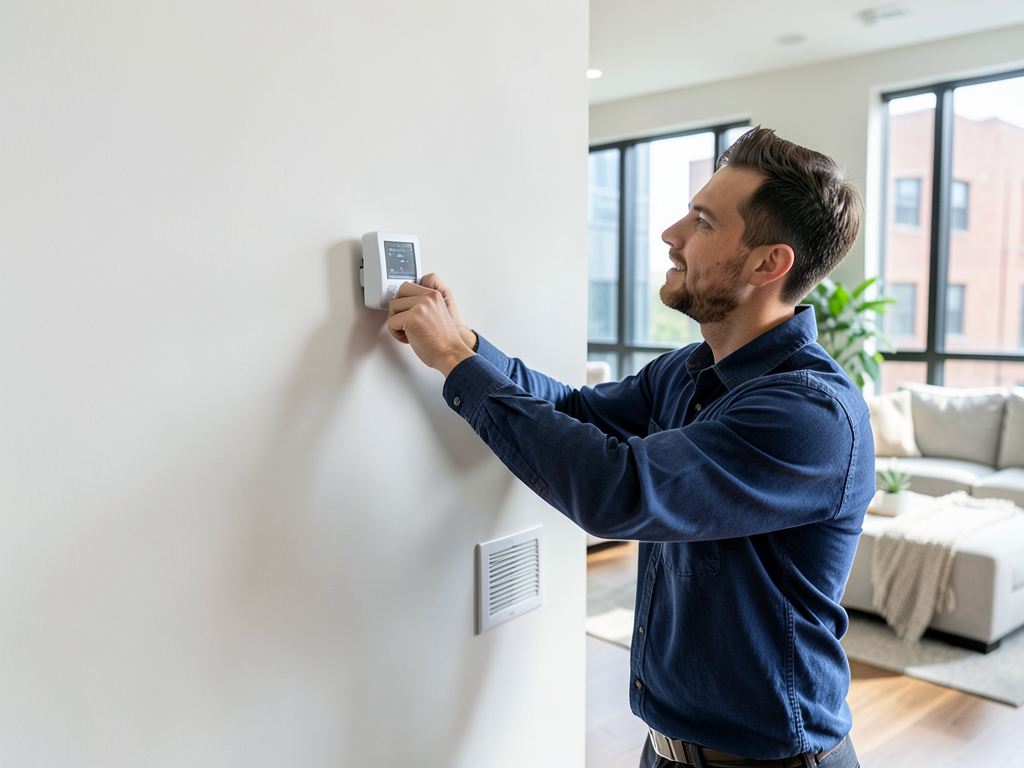
The Golden Rule: The Ideal Location for Urbancrest Homes
The perfect thermostat spot follows several key principles that work with your home’s natural airflow patterns. Interior walls provide the most stable temperature readings since they’re buffered by conditioned space on both sides. Central locations within your living area give the thermostat a representative sample of your home’s overall temperature rather than reading from a single room.. Read more about What to Do When Your Central Village Apartment Air Conditioning Just Can’t Keep Up with the Heat.
Five feet above the floor hits the sweet spot where warm air naturally rises and cool air settles, creating a balanced reading that reflects your home’s true comfort level. This height works particularly well in Urbancrest’s mid-century split-levels and ranch-style homes where standard eight-foot ceilings are common.
Keep your thermostat at least three feet away from supply vents to avoid false readings from direct airflow. The same distance applies to return air grilles, which can create negative pressure zones that affect temperature sensing. These guidelines come from Energy Star recommendations and Ohio Mechanical Code compliance standards for residential HVAC installations. The Honest Guide to Replacing Your Upper Arlington Furnace This Winter.
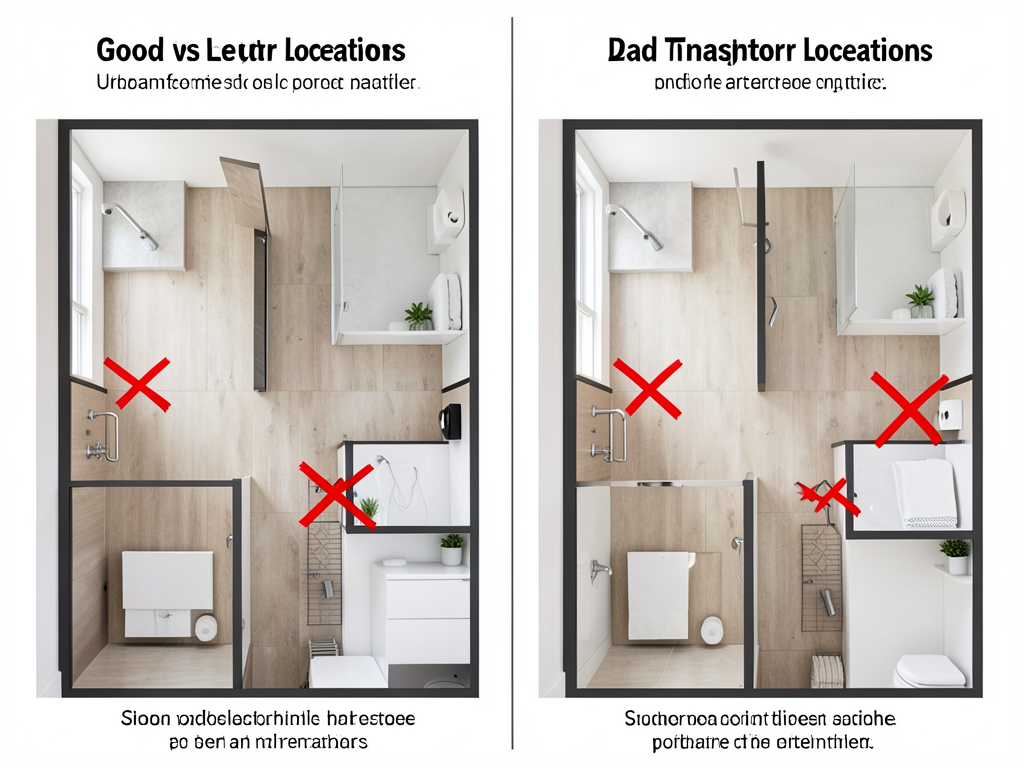
5 Places You Should NEVER Install a Thermostat
Certain locations guarantee inaccurate readings and system inefficiency. Understanding these danger zones can save you hundreds in unnecessary energy costs and prevent the frustration of constantly adjusting your thermostat.
Direct Sunlight and Windows
Sunlight streaming through windows creates dramatic temperature fluctuations that trick your thermostat into thinking your home is warmer than it actually is. In Urbancrest’s bright summer afternoons, a thermostat near a south-facing window might read 75 degrees when the rest of your home is actually 68 degrees. Your system shuts off prematurely, leaving rooms feeling stuffy and uncomfortable.
Kitchens and Heat-Producing Appliances
Kitchens generate substantial heat from ovens, stovetops, and refrigerators. A thermostat placed here reads elevated temperatures during meal preparation, causing your air conditioning to run excessively when the rest of your home is perfectly comfortable. This is especially problematic in Urbancrest’s open-concept homes where kitchen heat easily spreads to adjacent living areas. EPA Energy Star recommendations.
Near Vents or Drafty Doorways
Supply vents blow conditioned air directly onto thermostats, creating false readings that either shut down your system too early or keep it running when it shouldn’t. Drafty doorways, common in older Urbancrest homes with settling foundations, create cold spots that make your heating system work overtime in winter.. Read more about Why You Should Consider a Whole House Fan for Those Cool Fall Nights in Kilbourne.
Hallways vs. Living Areas
Hallways often become temperature traps because they lack the heat load of occupied rooms. A thermostat in a central hallway might read 70 degrees while your living room with its furniture, electronics, and occupants actually feels like 65 degrees. This disconnect leads to uneven comfort throughout your home.
Exterior Walls (The Insulation Problem)
Exterior walls are subject to outdoor temperature extremes, making them terrible thermostat locations. In Urbancrest’s cold winters, an exterior wall thermostat might read 60 degrees when your interior space is actually 70 degrees. Your heating system runs continuously, wasting energy and creating uncomfortable temperature swings.
Thermostat Placement for Multi-Story Urbancrest Homes
Multi-story homes present unique challenges because heat naturally rises. Your upstairs might be 5-8 degrees warmer than your downstairs, creating a comfort dilemma. For two-story Urbancrest homes, consider a zoned system with separate thermostats for each floor, or use remote sensors that communicate with your main thermostat.
Smart thermostats with remote room sensors offer an excellent solution for multi-level homes. Place sensors in your most-used upstairs rooms and let the system average readings for optimal comfort. This approach is particularly effective in Urbancrest’s newer developments with open staircases that allow heat to circulate freely between floors. Upgrading to a Smart Thermostat in Grandview Heights to Lower Your Electric Bill.
The stack effect becomes pronounced in winter when warm air rises and escapes through upper-level leaks. Proper thermostat placement combined with air sealing can reduce your heating costs by up to 20% according to Department of Energy studies on Central Ohio homes.
Smart Thermostats and Remote Sensors: A Modern Solution
Modern smart thermostats offer features that overcome poor placement through technology. Remote sensors placed in different rooms provide multiple temperature readings that your system averages for more accurate control. This is ideal for Urbancrest homes where the perfect hardwired location might not exist due to architectural constraints.
Learning algorithms in smart thermostats adapt to your schedule and preferences, reducing the impact of suboptimal placement. They can also account for humidity levels, which are crucial in Urbancrest’s muggy summers when perceived temperature often differs from actual temperature by several degrees.
Wi-Fi signal strength matters for smart thermostat functionality. Most require a strong signal within 30 feet of your router. In larger Urbancrest homes, you might need Wi-Fi extenders to ensure reliable communication between your thermostat and your smartphone app.
DIY Thermostat Relocation: When to Call a Professional
Moving a thermostat involves running new thermostat wire through your walls, which requires electrical knowledge and tools. DIY attempts often result in damaged drywall, incorrect wiring, or systems that won’t power up. The cost of professional relocation typically ranges from $150-300 in the Urbancrest area, a worthwhile investment compared to years of energy waste.
Professional HVAC technicians can also calibrate your system after relocation, ensuring your new thermostat location provides optimal performance. They’ll test for proper voltage, check communication with your HVAC equipment, and verify that your system cycles correctly.
Some thermostat relocations require permits under Franklin County building codes, particularly when involving high-voltage wiring or structural modifications. A licensed contractor will handle these requirements and ensure your installation meets all local safety standards.
Seasonal Calibration for Urbancrest’s Climate
Urbancrest experiences dramatic seasonal temperature swings that affect thermostat performance. Your thermostat might need seasonal adjustments to account for changing heat loads and humidity levels. In winter, lower your thermostat’s heat anticipation setting to prevent short-cycling during extreme cold snaps.. Read more about The Best Way to Heat a Sunroom or Four Season Porch During a Cold Jersey Winter.
Summer humidity in Central Ohio can make 75 degrees feel like 80 degrees. Many smart thermostats now include humidity sensors that adjust cooling output based on both temperature and moisture levels. This feature is particularly valuable in Urbancrest’s older homes where poor insulation can create humidity pockets.
Fall and spring bring rapid temperature changes that can confuse basic thermostats. Programmable or smart thermostats handle these transitions better by adjusting setpoints gradually rather than creating large temperature swings that stress your HVAC equipment.
Cost Analysis: The ROI of Proper Placement
Incorrect thermostat placement can increase your annual HVAC costs by 10-15% in Urbancrest’s climate. For a typical home spending $2,000 annually on heating and cooling, that’s $200-300 wasted each year. Professional relocation pays for itself within 1-2 years through energy savings alone.
Beyond energy costs, poor placement leads to premature system wear. Short-cycling from false readings causes more frequent starts and stops, reducing your HVAC equipment’s lifespan by 2-3 years. Replacement costs for a complete system in Urbancrest average $5,000-8,000, making prevention through proper placement extremely cost-effective.
Comfort improvements are harder to quantify but equally important. Eliminating hot and cold spots can reduce thermostat adjustments by 50% or more, creating a more consistent living environment throughout your Urbancrest home.
Local Building Considerations for Urbancrest
Urbancrest’s housing stock includes many homes built during the 1970s-1990s boom, featuring construction methods that affect thermostat placement options. Balloon framing common in this era creates continuous wall cavities that make wire fishing easier, but also means exterior walls lack the insulation depth of modern construction.
The area’s clay soil can cause foundation settling that creates drafts near exterior doors and windows. These drafts affect thermostat readings even when the thermostat itself is properly placed. Professional energy audits often reveal these hidden airflow patterns that impact HVAC efficiency.
Urbancrest’s proximity to major roadways means some homes experience vibration from truck traffic that can affect sensitive thermostat electronics over time. Professional installation includes checking for these environmental factors that might impact long-term performance.
Maintenance Tips for Optimal Thermostat Performance
Clean your thermostat annually to remove dust that can interfere with temperature sensors. Use a soft brush or compressed air, never liquid cleaners that could damage internal components. This simple maintenance step can improve accuracy by 1-2 degrees.
Check thermostat batteries quarterly if your model uses them. Low batteries can cause erratic behavior, including failure to communicate with your HVAC system or incorrect temperature readings. Smart thermostats typically give low-battery warnings, but basic models might simply stop working.
Test your thermostat’s accuracy annually with a separate thermometer placed nearby. If readings differ by more than 2-3 degrees, your thermostat might need recalibration or replacement. This is especially important in Urbancrest’s older homes where temperature variations are more common.
Emergency Troubleshooting Guide
If your HVAC system runs constantly or cycles too frequently, your thermostat location might be the culprit. Check for nearby heat sources like lamps, electronics, or direct sunlight that have changed since installation. Even a new piece of furniture blocking airflow can affect readings.
Strange behavior often indicates placement issues. If your system runs when your home feels comfortable, or if certain rooms are always too hot or cold, your thermostat might be reading from an unrepresentative location. Professional diagnosis can identify these patterns and recommend solutions. Troubleshooting AC Issues.
During extreme weather, placement problems become more pronounced. Urbancrest’s sub-zero winter nights or 90-degree summer days can cause poorly placed thermostats to misread dramatically, leading to comfort issues and energy waste.
Future-Proofing Your Thermostat Installation
When planning thermostat placement, consider future smart home integration. Modern systems often include humidity sensors, occupancy detection, and remote control capabilities that require specific wiring configurations. Installing a common wire during initial setup prevents limitations if you upgrade to a smart thermostat later.
Wireless thermostat options eliminate wiring concerns but introduce Wi-Fi reliability requirements. Urbancrest’s older homes might have thick plaster walls that interfere with wireless signals, making hardwired installations more reliable despite the additional installation complexity.
Consider zoning capabilities if you’re building or extensively remodeling. Multiple thermostats controlled by a single system can address the comfort challenges of larger Urbancrest homes while maintaining energy efficiency.
Frequently Asked Questions
Can I move my thermostat myself?
DIY thermostat relocation is possible but risky. It involves running new thermostat wire through walls, which requires electrical knowledge. Mistakes can damage drywall, create wiring hazards, or cause system failures. Professional relocation costs $150-300 but ensures proper installation and system calibration.
How far should my thermostat be from vents?
Maintain at least 3 feet between your thermostat and any supply or return air vents. Direct airflow can cause false readings that make your system cycle improperly. This distance also applies to doors that open frequently and windows with direct sunlight exposure.
Does thermostat height really matter?
Yes, height significantly affects accuracy. Five feet from the floor provides the best balance where natural air convection creates representative temperature readings. Too low reads cooler air that settles, too high reads warmer air that rises, both causing system inefficiency.
Should I get a smart thermostat for my older Urbancrest home?
Smart thermostats work well in older homes, especially models with remote sensors that can overcome poor hardwired locations. They offer learning algorithms that adapt to your home’s unique characteristics and provide energy usage reports to help identify efficiency improvements.
How often should I replace my thermostat?
Modern thermostats last 7-10 years. Replace yours if you notice inaccurate readings, failure to maintain set temperatures, or if your HVAC system cycles too frequently. Smart thermostats may need updates more often to maintain compatibility with evolving HVAC technology.
Take Control of Your Home’s Comfort Today
Don’t let poor thermostat placement continue costing you money and comfort. Urbancrest’s unique climate and housing characteristics make professional evaluation especially valuable. Our experienced technicians can assess your current setup, identify placement issues, and recommend solutions that could save you hundreds annually on energy costs.
Call (380) 253-3188 today to schedule your thermostat evaluation. We’ll inspect your current installation, test for accuracy, and provide a detailed report on potential improvements. Our team understands Urbancrest’s specific challenges and can recommend solutions that work with your home’s architecture and your family’s comfort needs. Why Your Westerville AC Needs a Tune Up Before the Humidity Hits.
Pick up the phone and call (380) 253-3188 before the next extreme weather hits. Whether you’re dealing with summer humidity or winter cold snaps, proper thermostat placement ensures your HVAC system operates efficiently when you need it most. Don’t wait until your energy bills arrive to discover you’ve been wasting money on an improperly placed thermostat.
{
“@context”: “https://schema.org”,
“@type”: “BlogPosting”,
“headline”: “Why Your Thermostat Location in Your Urbancrest Home Might be Costing You Money”,
“description”: “Poor thermostat placement in Urbancrest homes can cause HVAC short-cycling and high energy bills. Learn the ideal locations and common mistakes specific to Central Ohio’s climate.”,
“wordCount”: 2222,
“datePublished”: “2026-04-10T13:52:00.000Z”,
“dateModified”: “2026-04-10T13:52:00.000Z”,
“inLanguage”: “en-US”,
“mainEntityOfPage”: {
“@type”: “WebPage”,
“@id”: “https://grandhvaccolumbus.com”
},
“publisher”: {
“@type”: “LocalBusiness”,
“name”: “Grand HVAC Columbus”,
“url”: “https://grandhvaccolumbus.com”
},
“author”: {
“@type”: “Organization”,
“name”: “Grand HVAC Columbus”,
“url”: “https://grandhvaccolumbus.com”
},
“image”: {
“@type”: “ImageObject”,
“url”: “https://grandhvaccolumbus.com/wp-content/uploads/2026/03/why-your-thermostat-location-in-your-urbancrest-ho-1.png”
}
}
{
“@context”: “https://schema.org”,
“@type”: “HVACBusiness”,
“name”: “Grand HVAC Columbus”,
“url”: “https://grandhvaccolumbus.com”,
“address”: {
“@type”: “PostalAddress”,
“addressLocality”: “Columbus”
},
“areaServed”: {
“@type”: “City”,
“name”: “Columbus”
}
}
{
“@context”: “https://schema.org”,
“@type”: “FAQPage”,
“mainEntity”: [
{
“@type”: “Question”,
“name”: “Can I move my thermostat myself?”,
“acceptedAnswer”: {
“@type”: “Answer”,
“text”: “DIY thermostat relocation is possible but risky. It involves running new thermostat wire through walls, which requires electrical knowledge. Mistakes can damage drywall, create wiring hazards, or cause system failures. Professional relocation costs $150-300 but ensures proper installation and system calibration.”
}
},
{
“@type”: “Question”,
“name”: “How far should my thermostat be from vents?”,
“acceptedAnswer”: {
“@type”: “Answer”,
“text”: “Maintain at least 3 feet between your thermostat and any supply or return air vents. Direct airflow can cause false readings that make your system cycle improperly. This distance also applies to doors that open frequently and windows with direct sunlight exposure.”
}
},
{
“@type”: “Question”,
“name”: “Does thermostat height really matter?”,
“acceptedAnswer”: {
“@type”: “Answer”,
“text”: “Yes, height significantly affects accuracy. Five feet from the floor provides the best balance where natural air convection creates representative temperature readings. Too low reads cooler air that settles, too high reads warmer air that rises, both causing system inefficiency.”
}
},
{
“@type”: “Question”,
“name”: “Should I get a smart thermostat for my older Urbancrest home?”,
“acceptedAnswer”: {
“@type”: “Answer”,
“text”: “Smart thermostats work well in older homes, especially models with remote sensors that can overcome poor hardwired locations. They offer learning algorithms that adapt to your home’s unique characteristics and provide energy usage reports to help identify efficiency improvements.”
}
},
{
“@type”: “Question”,
“name”: “How often should I replace my thermostat?”,
“acceptedAnswer”: {
“@type”: “Answer”,
“text”: “Modern thermostats last 7-10 years. Replace yours if you notice inaccurate readings, failure to maintain set temperatures, or if your HVAC system cycles too frequently. Smart thermostats may need updates more often to maintain compatibility with evolving HVAC technology.”
}
}
]
}
{
“@context”: “https://schema.org”,
“@type”: “BreadcrumbList”,
“itemListElement”: [
{
“@type”: “ListItem”,
“position”: 1,
“name”: “Home”,
“item”: “https://grandhvaccolumbus.com”
},
{
“@type”: “ListItem”,
“position”: 2,
“name”: “Blog”,
“item”: “https://grandhvaccolumbus.com/blog”
},
{
“@type”: “ListItem”,
“position”: 3,
“name”: “Why Your Thermostat Location in Your Urbancrest Home Might be Costing You Money”
}
]
}
{
“@context”: “https://schema.org”,
“@type”: “Service”,
“serviceType”: “HVAC”,
“provider”: {
“@type”: “LocalBusiness”,
“name”: “Grand HVAC Columbus”,
“url”: “https://grandhvaccolumbus.com”
},
“areaServed”: {
“@type”: “City”,
“name”: “Columbus”
},
“description”: “Poor thermostat placement in Urbancrest homes can cause HVAC short-cycling and high energy bills. Learn the ideal locations and common mistakes specific to Central Ohio’s climate.”
}