
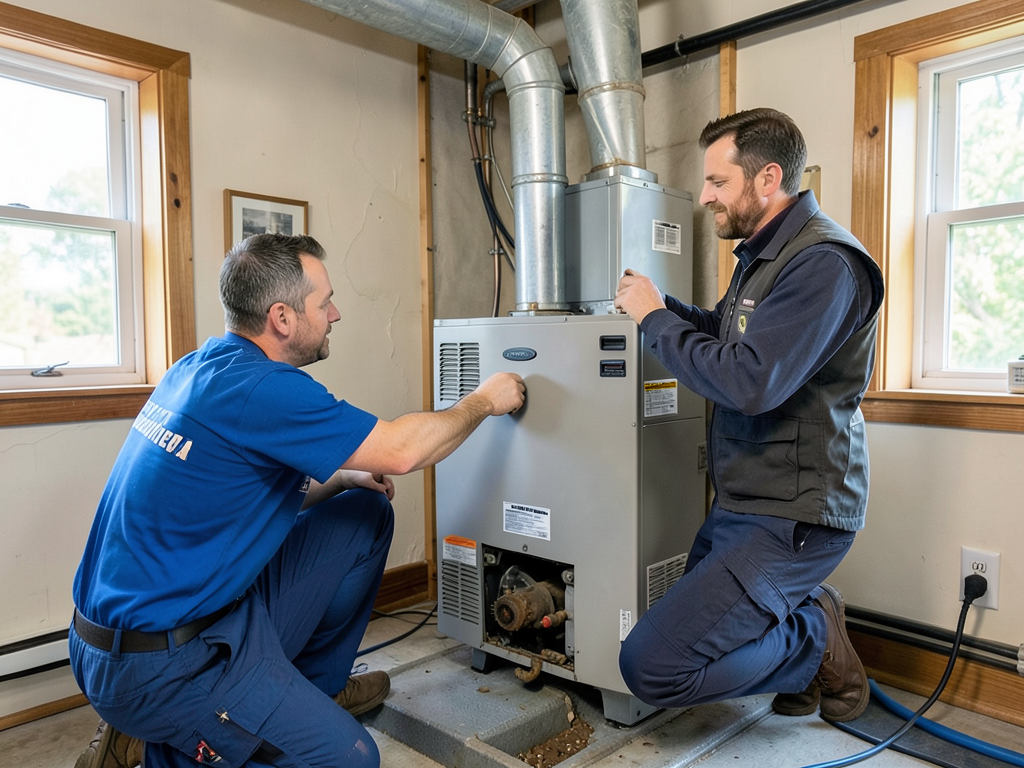
How to Switch from Oil to Gas Heating in Your Older Eastmoor Home
Converting from oil to gas heating in your Eastmoor home can cut your winter heating costs by 30-50% while adding long-term value to your property. Eastmoor’s mid-century homes built between 1950 and 1980 often still run on aging oil furnaces that burn through expensive fuel while producing more emissions than modern systems. The process involves removing your old oil tank, installing a new high-efficiency gas furnace, and connecting to Columbia Gas of Ohio’s distribution network. Most Eastmoor homeowners complete their conversion in 2-3 days with proper permits from the City of Columbus. Columbia Gas of Ohio.
Why Eastmoor Homeowners Choose Oil to Gas Conversion
Eastmoor’s tree-lined streets feature hundreds of homes built during Columbus’s post-war boom, many still relying on oil heating systems installed decades ago. These systems face constant problems: fuel price volatility, tank leaks, and poor efficiency ratings that waste money every winter. A typical Eastmoor oil furnace operates at 70% efficiency while modern gas furnaces achieve 95-98% efficiency ratings. That means for every dollar you spend on oil, 30 cents literally goes up the chimney as wasted heat.. Read more about Integrating a Hybrid Dual Fuel System for Your Large Berwick Estate.
Beyond cost savings, oil to gas conversion eliminates the need for bulky outdoor tanks that can leak and contaminate soil. Columbia Gas of Ohio has expanded its network throughout Eastmoor, making natural gas service available to most homes in the neighborhood. The conversion also increases your home’s resale value, as buyers prefer homes with clean, efficient gas heating systems over aging oil equipment.
The Oil to Gas Conversion Process Step by Step
The conversion process requires careful planning and professional execution to ensure safety and code compliance. Here’s what happens during a typical Eastmoor oil to gas furnace conversion:
- Initial Assessment and Permitting
A licensed HVAC contractor evaluates your existing system, checks gas line availability from Columbia Gas, and pulls necessary permits from the City of Columbus Building Department. Franklin County requires permits for both oil tank removal and gas line installation.
- Oil Tank Removal or Abandonment
Old underground or aboveground oil tanks must be properly decommissioned. Ohio EPA regulations require either complete removal with soil testing or permanent abandonment in place with tank cleaning and filling. This step prevents environmental contamination and satisfies local regulations.
- Gas Line Installation
A licensed plumber runs new gas lines from the street main to your home’s mechanical room. The line must meet Ohio Mechanical Code requirements for pressure testing and material specifications. Most Eastmoor homes need 1-inch gas lines to support modern furnace BTU requirements.
- Chimney Lining or Venting Modification
Older oil furnaces produce different combustion byproducts than gas systems. Your existing chimney may need stainless steel lining to handle the moisture content of gas exhaust, or you may need to install new PVC venting through the roof or sidewall.
- New Furnace Installation
The high-efficiency gas furnace gets installed on a new concrete pad with proper clearance from combustible materials. The system includes a new thermostat, gas valve, and safety controls that meet current building codes.
- System Testing and Commissioning
Technicians test manifold pressure, check for gas leaks using electronic detectors, verify proper airflow, and ensure the furnace cycles correctly. The City of Columbus requires final inspection before you can operate the new system.
Cost Breakdown for Eastmoor Oil to Gas Conversion
Oil to gas conversion costs vary based on your home’s specific requirements, but Eastmoor homeowners typically invest between $8,000 and $15,000 for a complete conversion. Here’s how those costs break down:
| Conversion Component | Typical Cost Range | Notes |
|---|---|---|
| High-Efficiency Gas Furnace (95%+ AFUE) | $3,500 – $5,500 | Proper sizing based on Manual J calculation |
| Oil Tank Removal/Abandonment | $1,500 – $3,000 | Underground tanks cost more due to soil testing |
| Gas Line Installation | $1,000 – $2,500 | Distance from street main affects cost |
| Chimney Lining or Venting | $800 – $2,000 | Stainless steel liners meet code requirements |
| Permits and Inspections | $300 – $600 | Franklin County and City of Columbus fees |
| Electrical and Thermostat Upgrades | $300 – $800 | Modern furnaces need dedicated circuits |
| Total Estimated Cost | $7,900 – $14,400 | Based on 2026 market rates in Columbus |
The payback period for oil to gas conversion typically ranges from 3 to 5 years, depending on current oil prices and your home’s insulation quality. With natural gas prices remaining stable and oil prices subject to global market swings, most Eastmoor homeowners see immediate monthly savings of $100-200 during heating season. Improving the Air Quality in Your Older Clintonville Home.
Local Rebates and Incentives Available in 2026
Columbia Gas of Ohio offers substantial rebates for customers converting from oil to natural gas heating. Current 2026 programs include:
| Rebate Program | Rebate Amount | Eligibility Requirements |
|---|---|---|
| Oil to Gas Conversion Rebate | Up to $1,500 | Must install 95%+ AFUE furnace |
| High-Efficiency Furnace Rebate | Up to $600 | Furnace must meet ENERGY STAR criteria |
| Smart Thermostat Rebate | Up to $100 | Wi-Fi enabled programmable thermostat |
| Federal Tax Credit (2026) | Up to $600 | Available through Energy Efficient Home Improvement Credit |
These rebates can reduce your net conversion cost by $2,000 or more. Columbia Gas also offers 0% financing for 12 months on qualifying equipment purchases, making the conversion more affordable for Eastmoor homeowners on fixed incomes.
Oil vs Gas Heating: The Complete Comparison
Understanding the differences between oil and gas heating helps you make an informed decision about conversion. Here’s how they compare for Eastmoor homes:
| Feature | Oil Heating | Natural Gas Heating |
|---|---|---|
| Annual Fuel Utilization Efficiency (AFUE) | 70-85% | 95-98% |
| Average Annual Heating Cost (Eastmoor) | $2,500 – $3,500 | $1,500 – $2,000 |
| Maintenance Requirements | Annual cleaning, filter changes | Annual inspection, filter changes |
| Environmental Impact | Higher CO2 emissions, soot | Lower emissions, cleaner burn |
| Fuel Storage | Requires outdoor tank | No on-site storage needed |
| System Lifespan | 15-20 years | 20-25 years |
| Resale Value Impact | Neutral to negative | Positive, modern appeal |
Natural gas systems provide more consistent heat with fewer temperature swings. They also eliminate the risk of running out of fuel during cold snaps, which can happen with oil deliveries delayed by weather or supply chain issues. Troubleshooting AC Issues.
Common Questions About Oil to Gas Conversion in Eastmoor
Do I need permits for oil to gas conversion in Columbus?
Yes. The City of Columbus requires permits for oil tank removal, gas line installation, and furnace replacement. Your HVAC contractor should handle all permitting through the Franklin County Building Department. Final inspection ensures your system meets Ohio Mechanical Code requirements.
What happens to my old oil tank?
Underground tanks must be either removed completely with soil testing or permanently abandoned in place. Abandonment involves cleaning the tank, removing all oil residue, and filling it with inert material like sand or concrete. Aboveground tanks are typically removed and recycled.
How long does the conversion take?
Most Eastmoor conversions take 2-3 days from start to finish. Oil tank removal takes 1 day, gas line installation takes 1 day, and furnace installation with testing takes another day. Weather can affect outdoor work, and permit inspections may add time to the schedule.
Will I need to modify my ductwork?
Most Eastmoor homes can use existing ductwork with minor modifications. Modern furnaces often have different airflow requirements, so your contractor may need to adjust dampers or add return air pathways. Homes with severely undersized ducts might need partial replacement.
Can I keep my oil system as backup?
Yes, some homeowners install dual-fuel systems that can switch between oil and gas. This provides backup heating if gas service is interrupted, though it increases upfront costs and complexity. Most Eastmoor homeowners choose to remove oil equipment entirely for simplicity and space savings.
Environmental and Safety Considerations
Switching from oil to gas heating significantly reduces your home’s carbon footprint. Natural gas burns cleaner than heating oil, producing about 27% less carbon dioxide per BTU. Modern gas furnaces also eliminate the soot and odors associated with oil heating systems.
Safety improvements include eliminating the risk of oil tank leaks contaminating soil and groundwater. Gas systems include multiple safety features like automatic shutoff valves and pressure sensors that prevent dangerous conditions. However, proper installation remains critical – gas line work must be performed by licensed professionals who follow Ohio Mechanical Code requirements.
Radon testing is recommended before conversion, as older Eastmoor homes may have elevated radon levels. The drilling required for gas line installation can disturb radon pathways, so testing ensures your home remains safe after the work is complete.
Choosing the Right Contractor for Your Eastmoor Conversion
Oil to gas conversion requires specialized expertise in plumbing, HVAC, and building codes. Look for contractors who:
- Hold valid Ohio HVAC licenses and liability insurance
- Have experience with Eastmoor’s specific housing stock and building department requirements
- Provide detailed written estimates including all permit and inspection fees
- Offer warranties on both equipment and labor
- Can coordinate with Columbia Gas for service line installation
Ask potential contractors about their experience with similar Eastmoor homes. A contractor familiar with mid-century construction will better understand the challenges of retrofitting modern equipment into older mechanical spaces.
Preparing Your Eastmoor Home for Conversion
Before your conversion begins, take these steps to ensure a smooth process:
- Clear the area around your existing furnace and oil tank to provide workspace
- Locate your home’s main water shutoff valve in case plumbing work is needed
- Plan for temporary heat interruption during the 1-2 day installation period
- Check your electrical panel capacity for the new furnace’s power requirements
- Consider scheduling a home energy audit to identify insulation improvements that could reduce your heating load
Many Eastmoor homes built in the 1960s have original insulation that has settled over time. Adding attic insulation or sealing air leaks can reduce the furnace size you need, potentially saving money on equipment costs.
The Future of Home Heating in Eastmoor
While natural gas currently offers the best combination of cost, efficiency, and availability for Eastmoor homeowners, the heating industry continues to evolve. Heat pump technology improves each year, and some homeowners combine gas furnaces with electric heat pumps for maximum efficiency across all seasons.
For now, oil to gas conversion remains the most practical upgrade for Eastmoor’s aging housing stock. The combination of lower operating costs, improved comfort, and environmental benefits makes it a smart investment for homeowners planning to stay in their homes for more than five years. Upgrading to a Smart Thermostat in Grandview Heights to Lower Your Electric Bill.
Ready to Make the Switch?
Converting from oil to gas heating in your Eastmoor home is a significant investment that pays dividends through lower energy bills, improved comfort, and increased home value. The process requires professional expertise to ensure safety, code compliance, and optimal system performance.
Call (380) 253-3188 today to schedule your free consultation and learn how much you could save by switching to natural gas heating. Our licensed technicians understand Eastmoor’s specific requirements and can guide you through the entire conversion process, from initial assessment to final inspection. The Honest Guide to Replacing Your Upper Arlington Furnace This Winter.
Don’t wait until your old oil furnace fails during a cold snap. Start planning your conversion now to take advantage of current rebates and ensure your home stays warm and efficient through every Ohio winter.
Frequently Asked Questions
How much can I save by switching from oil to gas heating?
Eastmoor homeowners typically save 30-50% on annual heating costs after converting from oil to gas. With oil prices averaging $3.50-4.00 per gallon and natural gas at $1.00-1.20 per therm, the savings add up quickly, especially during Columbus’s cold winters.
Is natural gas available in all parts of Eastmoor?
Most of Eastmoor has access to Columbia Gas service lines, but some areas near the neighborhood’s edges may require longer service line installations. A quick call to Columbia Gas or your HVAC contractor can confirm availability for your specific address.
What permits do I need for oil to gas conversion?
You need permits for oil tank removal or abandonment, gas line installation, and furnace replacement. The City of Columbus Building Department handles these permits, and your contractor should include permit fees in your estimate and coordinate all inspections.
How long do oil to gas conversions take?
Most conversions take 2-3 days total. Oil tank removal typically takes 1 day, gas line installation takes 1 day, and furnace installation with testing takes another day. Weather and permit inspection schedules can affect the timeline.
Are there financing options available?
Yes. Columbia Gas offers 0% financing for 12 months on qualifying equipment. Many HVAC contractors also offer financing through third-party lenders. Federal tax credits and local rebates can further reduce your out-of-pocket costs. For more information, visit U.S. Department of Energy.
{
“@context”: “https://schema.org”,
“@type”: “BlogPosting”,
“headline”: “How to Switch from Oil to Gas Heating in Your Older Eastmoor Home”,
“description”: “Thinking about switching from oil to gas heating in your Eastmoor home? Learn about the process, costs, rebates, and what to expect during your oil to gas furnace conversion in Columbus.”,
“wordCount”: 2096,
“datePublished”: “2026-04-18T11:23:00.000Z”,
“dateModified”: “2026-04-18T11:23:00.000Z”,
“inLanguage”: “en-US”,
“mainEntityOfPage”: {
“@type”: “WebPage”,
“@id”: “https://grandhvaccolumbus.com”
},
“publisher”: {
“@type”: “LocalBusiness”,
“name”: “Grand HVAC Columbus”,
“url”: “https://grandhvaccolumbus.com”
},
“author”: {
“@type”: “Organization”,
“name”: “Grand HVAC Columbus”,
“url”: “https://grandhvaccolumbus.com”
},
“image”: {
“@type”: “ImageObject”,
“url”: “https://grandhvaccolumbus.com/wp-content/uploads/2026/03/how-to-switch-from-oil-to-gas-heating-in-your-olde-1.png”
}
}
{
“@context”: “https://schema.org”,
“@type”: “HVACBusiness”,
“name”: “Grand HVAC Columbus”,
“url”: “https://grandhvaccolumbus.com”,
“address”: {
“@type”: “PostalAddress”,
“addressLocality”: “Columbus”
},
“areaServed”: {
“@type”: “City”,
“name”: “Columbus”
}
}
{
“@context”: “https://schema.org”,
“@type”: “FAQPage”,
“mainEntity”: [
{
“@type”: “Question”,
“name”: “Do I need permits for oil to gas conversion in Columbus?”,
“acceptedAnswer”: {
“@type”: “Answer”,
“text”: “Yes. The City of Columbus requires permits for oil tank removal, gas line installation, and furnace replacement. Your HVAC contractor should handle all permitting through the Franklin County Building Department. Final inspection ensures your system meets Ohio Mechanical Code requirements.”
}
},
{
“@type”: “Question”,
“name”: “What happens to my old oil tank?”,
“acceptedAnswer”: {
“@type”: “Answer”,
“text”: “Underground tanks must be either removed completely with soil testing or permanently abandoned in place. Abandonment involves cleaning the tank, removing all oil residue, and filling it with inert material like sand or concrete. Aboveground tanks are typically removed and recycled.”
}
},
{
“@type”: “Question”,
“name”: “How long does the conversion take?”,
“acceptedAnswer”: {
“@type”: “Answer”,
“text”: “Most Eastmoor conversions take 2-3 days from start to finish. Oil tank removal takes 1 day, gas line installation takes 1 day, and furnace installation with testing takes another day. Weather can affect outdoor work, and permit inspections may add time to the schedule.”
}
},
{
“@type”: “Question”,
“name”: “Will I need to modify my ductwork?”,
“acceptedAnswer”: {
“@type”: “Answer”,
“text”: “Most Eastmoor homes can use existing ductwork with minor modifications. Modern furnaces often have different airflow requirements, so your contractor may need to adjust dampers or add return air pathways. Homes with severely undersized ducts might need partial replacement.”
}
},
{
“@type”: “Question”,
“name”: “Can I keep my oil system as backup?”,
“acceptedAnswer”: {
“@type”: “Answer”,
“text”: “Yes, some homeowners install dual-fuel systems that can switch between oil and gas. This provides backup heating if gas service is interrupted, though it increases upfront costs and complexity. Most Eastmoor homeowners choose to remove oil equipment entirely for simplicity and space savings.”
}
},
{
“@type”: “Question”,
“name”: “Ready to Make the Switch?”,
“acceptedAnswer”: {
“@type”: “Answer”,
“text”: “Converting from oil to gas heating in your Eastmoor home is a significant investment that pays dividends through lower energy bills, improved comfort, and increased home value. The process requires professional expertise to ensure safety, code compliance, and optimal system performance.”
}
},
{
“@type”: “Question”,
“name”: “How much can I save by switching from oil to gas heating?”,
“acceptedAnswer”: {
“@type”: “Answer”,
“text”: “Eastmoor homeowners typically save 30-50% on annual heating costs after converting from oil to gas. With oil prices averaging $3.50-4.00 per gallon and natural gas at $1.00-1.20 per therm, the savings add up quickly, especially during Columbus’s cold winters.”
}
},
{
“@type”: “Question”,
“name”: “Is natural gas available in all parts of Eastmoor?”,
“acceptedAnswer”: {
“@type”: “Answer”,
“text”: “Most of Eastmoor has access to Columbia Gas service lines, but some areas near the neighborhood’s edges may require longer service line installations. A quick call to Columbia Gas or your HVAC contractor can confirm availability for your specific address.”
}
},
{
“@type”: “Question”,
“name”: “What permits do I need for oil to gas conversion?”,
“acceptedAnswer”: {
“@type”: “Answer”,
“text”: “You need permits for oil tank removal or abandonment, gas line installation, and furnace replacement. The City of Columbus Building Department handles these permits, and your contractor should include permit fees in your estimate and coordinate all inspections.”
}
},
{
“@type”: “Question”,
“name”: “How long do oil to gas conversions take?”,
“acceptedAnswer”: {
“@type”: “Answer”,
“text”: “Most conversions take 2-3 days total. Oil tank removal typically takes 1 day, gas line installation takes 1 day, and furnace installation with testing takes another day. Weather and permit inspection schedules can affect the timeline.”
}
},
{
“@type”: “Question”,
“name”: “Are there financing options available?”,
“acceptedAnswer”: {
“@type”: “Answer”,
“text”: “Yes. Columbia Gas offers 0% financing for 12 months on qualifying equipment. Many HVAC contractors also offer financing through third-party lenders. Federal tax credits and local rebates can further reduce your out-of-pocket costs. For more information, visit U.S. Department of Energy.”
}
}
]
}
{
“@context”: “https://schema.org”,
“@type”: “HowTo”,
“name”: “Oil to Gas Conversion Process”,
“step”: [
{
“@type”: “HowToStep”,
“position”: 1,
“name”: “Initial Assessment and Permitting”,
“text”: “A licensed HVAC contractor evaluates your existing system, checks gas line availability from Columbia Gas, and pulls necessary permits from the City of Columbus Building Department. Franklin County requires permits for both oil tank removal and gas line installation.”
},
{
“@type”: “HowToStep”,
“position”: 2,
“name”: “Oil Tank Removal or Abandonment”,
“text”: “Old underground or aboveground oil tanks must be properly decommissioned. Ohio EPA regulations require either complete removal with soil testing or permanent abandonment in place with tank cleaning and filling. This step prevents environmental contamination and satisfies local regulations.”
},
{
“@type”: “HowToStep”,
“position”: 3,
“name”: “Gas Line Installation”,
“text”: “A licensed plumber runs new gas lines from the street main to your home’s mechanical room. The line must meet Ohio Mechanical Code requirements for pressure testing and material specifications. Most Eastmoor homes need 1-inch gas lines to support modern furnace BTU requirements.”
},
{
“@type”: “HowToStep”,
“position”: 4,
“name”: “Chimney Lining or Venting Modification”,
“text”: “Older oil furnaces produce different combustion byproducts than gas systems. Your existing chimney may need stainless steel lining to handle the moisture content of gas exhaust, or you may need to install new PVC venting through the roof or sidewall.”
},
{
“@type”: “HowToStep”,
“position”: 5,
“name”: “New Furnace Installation”,
“text”: “The high-efficiency gas furnace gets installed on a new concrete pad with proper clearance from combustible materials. The system includes a new thermostat, gas valve, and safety controls that meet current building codes.”
},
{
“@type”: “HowToStep”,
“position”: 6,
“name”: “System Testing and Commissioning”,
“text”: “Technicians test manifold pressure, check for gas leaks using electronic detectors, verify proper airflow, and ensure the furnace cycles correctly. The City of Columbus requires final inspection before you can operate the new system.”
}
],
“image”: “https://grandhvaccolumbus.com/wp-content/uploads/2026/03/how-to-switch-from-oil-to-gas-heating-in-your-olde-1.png”
}
{
“@context”: “https://schema.org”,
“@type”: “BreadcrumbList”,
“itemListElement”: [
{
“@type”: “ListItem”,
“position”: 1,
“name”: “Home”,
“item”: “https://grandhvaccolumbus.com”
},
{
“@type”: “ListItem”,
“position”: 2,
“name”: “Blog”,
“item”: “https://grandhvaccolumbus.com/blog”
},
{
“@type”: “ListItem”,
“position”: 3,
“name”: “How to Switch from Oil to Gas Heating in Your Older Eastmoor Home”
}
]
}
{
“@context”: “https://schema.org”,
“@type”: “Service”,
“serviceType”: “HVAC”,
“provider”: {
“@type”: “LocalBusiness”,
“name”: “Grand HVAC Columbus”,
“url”: “https://grandhvaccolumbus.com”
},
“areaServed”: {
“@type”: “City”,
“name”: “Columbus”
},
“description”: “Thinking about switching from oil to gas heating in your Eastmoor home? Learn about the process, costs, rebates, and what to expect during your oil to gas furnace conversion in Columbus.”
}