
Integrating a Hybrid Dual Fuel System for Your Large Berwick Estate
Large homes in the Berwick neighborhood face a unique challenge during Ohio’s unpredictable winters. When temperatures plummet below freezing, standard heat pumps struggle to keep up, forcing homeowners to rely on expensive electric resistance heat. A hybrid dual fuel system solves this problem by combining an efficient electric heat pump with a high-efficiency gas furnace that automatically switches based on outdoor conditions. This technology delivers year-round comfort while potentially cutting heating costs by 30-50% compared to traditional systems.. Read more about Why You Might Need a Booster Fan for the Long Duct Runs in Your Large Darbydale Property.
Berwick’s mix of mid-century and newer construction creates specific opportunities for dual fuel integration. Many larger estates here have aging HVAC equipment that’s ready for replacement, and the combination of rising energy costs and Ohio’s climate makes now the perfect time to consider this upgrade. The system works by using the heat pump for heating and cooling when temperatures are moderate, then seamlessly transitioning to the gas furnace when it gets too cold for the heat pump to operate efficiently.
How Hybrid Dual Fuel Systems Actually Work in Ohio Homes
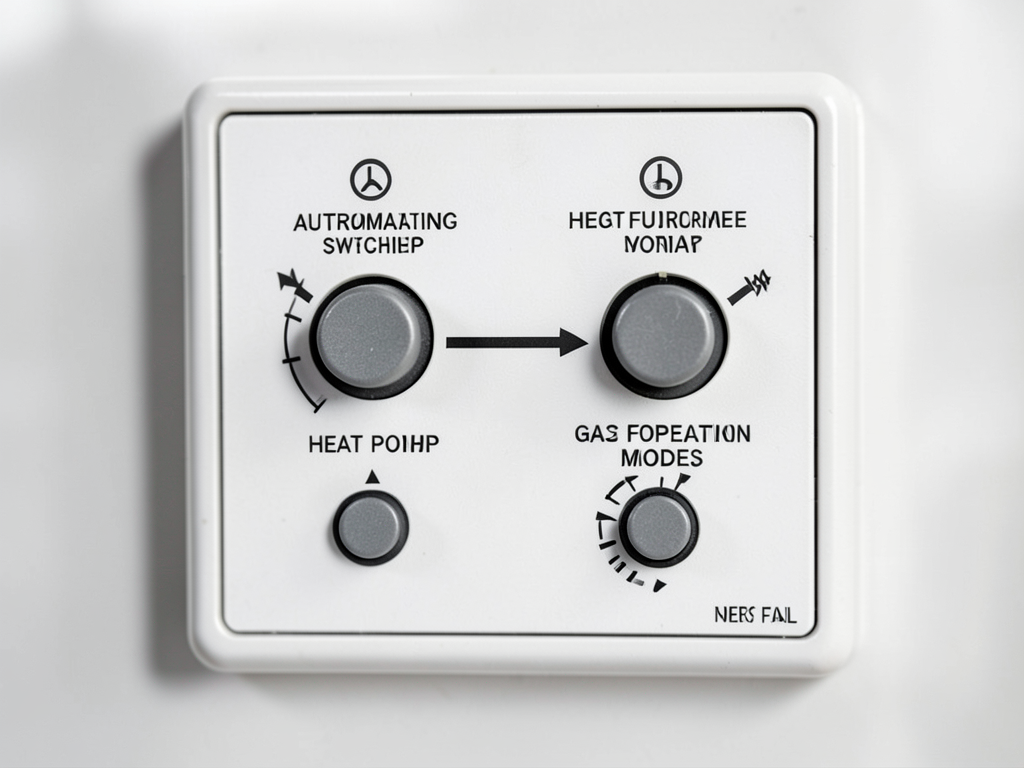
The magic of a hybrid system lies in its intelligent switching mechanism. A specialized thermostat monitors outdoor temperatures and automatically determines which heating source to use. Most systems are set to switch around 35-40 degrees Fahrenheit, though this can be adjusted based on your utility rates and comfort preferences.
When temperatures are above the switchover point, the system uses the heat pump to extract heat from outdoor air and transfer it inside. This process is remarkably efficient, delivering 2-4 units of heat for every unit of electricity consumed. As temperatures drop toward freezing, the heat pump’s efficiency decreases while the gas furnace becomes more cost-effective. The system automatically makes this transition without any input from you.
During summer months, the heat pump reverses operation to provide central air conditioning. Modern heat pumps with SEER2 ratings of 16+ can cool your home while using significantly less electricity than older systems. The gas furnace remains idle during cooling season, ready for the next winter cycle.
Why Berwick Estates Are Perfect for Dual Fuel Technology
Berwick’s larger homes typically have higher heating demands and often feature open floor plans that can be challenging to heat evenly. The area’s mix of 1960s ranches and newer custom builds means many homes have aging HVAC equipment that’s overdue for replacement. These factors create ideal conditions for dual fuel systems.
The neighborhood’s mature trees and established landscaping can create microclimates around homes, affecting how heat pumps perform. Homes with good southern exposure can maximize heat pump efficiency during sunny winter days, while those in more shaded areas might see slightly different performance patterns. A professional load calculation considers these factors when sizing your system.
Berwick’s proximity to the Scioto River Valley can influence local weather patterns, sometimes creating temperature inversions that affect system performance. Homes in this area also tend to have larger lots, providing adequate space for outdoor equipment placement while maintaining proper clearances from property lines as required by Franklin County zoning.
Cost Analysis: Real Numbers for Franklin County Homeowners
Dual fuel systems require a higher upfront investment than standard HVAC equipment, typically $8,000-$15,000 depending on home size and equipment selection. However, the energy savings often offset this premium within 3-7 years. Current AEP Ohio electric rates combined with Columbia Gas natural gas prices make the 35-degree switchover point optimal for most Franklin County homes.
Local utility rebates can significantly reduce installation costs. AEP Ohio offers rebates up to $250 for high-efficiency heat pumps, while Columbia Gas provides incentives for efficient gas furnaces. Some homeowners qualify for both programs when installing a complete dual fuel system. These rebates, combined with potential federal tax credits, can reduce your net investment by $500-$2,000.
The system’s longevity also factors into the cost equation. Heat pumps typically last 12-15 years, while gas furnaces can operate for 15-20 years. With a dual fuel system, you’re essentially getting two heating sources that share the workload, potentially extending the overall system life compared to relying on a single heating method year-round.
Installation Process for Large Berwick Homes
Installing a dual fuel system in a large estate requires careful planning and execution. The process begins with a comprehensive load calculation using Manual J methodology to determine exact heating and cooling requirements. This calculation considers your home’s square footage, insulation levels, window efficiency, and local climate data specific to the Berwick area.
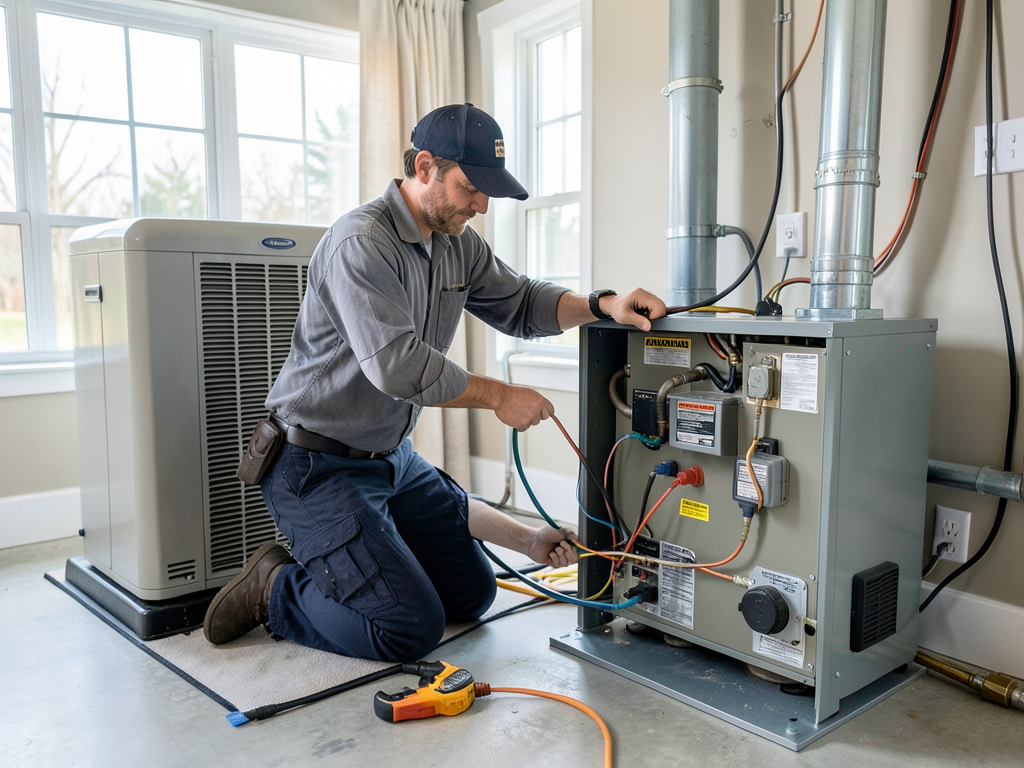
The installation typically takes 2-3 days for a complete system replacement. Our technicians start by removing old equipment, then installing new indoor and outdoor units. The gas furnace integration requires proper venting and gas line connections that comply with Ohio Mechanical Code requirements. The heat pump installation includes refrigerant line sets, electrical connections, and proper condensate drainage.
System commissioning involves testing all components, verifying proper airflow, and programming the thermostat for optimal performance. We use specialized diagnostic tools to measure temperature splits, check refrigerant charge, and ensure the system switches between heat sources at the programmed setpoints. The final step includes educating homeowners on system operation and maintenance requirements.
Maintenance Requirements for Optimal Performance
Dual fuel systems require regular maintenance to maintain their efficiency advantages. Annual service should include cleaning or replacing air filters, checking refrigerant levels, inspecting electrical connections, and testing both heating sources. The heat pump coils need cleaning to maintain heat transfer efficiency, while the gas furnace requires burner inspection and heat exchanger examination.
Seasonal maintenance is particularly important in Ohio’s climate. Before winter, we test both heating sources to ensure proper switching operation. This includes verifying the thermostat’s temperature sensors, checking gas pressure, and confirming the defrost cycle on the heat pump functions correctly. Spring maintenance focuses on preparing the cooling side for summer operation. EPA heat pump efficiency guidelines.
Homeowners can perform simple monthly tasks like checking air filters and keeping outdoor units clear of debris. However, professional maintenance by NATE-certified technicians ensures all components operate within manufacturer specifications. This preventative care helps avoid unexpected breakdowns during extreme weather when you need heating or cooling most.
Environmental Impact and Energy Efficiency
Dual fuel systems offer significant environmental benefits compared to traditional HVAC equipment. By using the most efficient heating source based on outdoor conditions, these systems minimize energy waste. The heat pump’s high efficiency during moderate temperatures reduces overall electricity consumption, while the gas furnace provides reliable heating during extreme cold without the high electric resistance heating costs.
Modern heat pumps use environmentally friendly refrigerants like R-454B or R-32, which have much lower global warming potential than older refrigerants. The systems also reduce peak electrical demand during winter months, helping utilities manage grid load more effectively. This efficiency translates to lower carbon emissions compared to electric-only heating in most Ohio homes.
The Department of Energy estimates that hybrid heating systems can reduce household energy consumption by 30-50% compared to standard electric heat pumps in cold climates. For a typical Berwick estate, this could mean annual energy savings of 5,000-10,000 kilowatt-hours, depending on home size and usage patterns. Department of Energy heat pump information.
Common Questions from Columbus Homeowners
Many homeowners have similar questions when considering dual fuel systems. The most frequent concern involves whether the system will actually save money compared to their current setup. The answer depends on your current equipment efficiency, local utility rates, and how well your home is insulated. Most Berwick homeowners with older systems see positive returns within 5 years.
Another common question involves system reliability during power outages. While the heat pump won’t operate without electricity, the gas furnace can provide heating if connected to a whole-house generator. This redundancy provides peace of mind during winter storms when both heating and power might be needed simultaneously.
Homeowners also ask about the system’s ability to handle extreme cold snaps. Modern cold-climate heat pumps can extract heat from air as cold as -15 degrees Fahrenheit, though efficiency decreases significantly below freezing. The gas furnace automatically takes over when outdoor temperatures drop below the switchover point, ensuring consistent comfort regardless of weather conditions.
Comparing Dual Fuel to Other Heating Options
Dual fuel systems offer distinct advantages over other heating approaches for large Ohio homes. Compared to standard heat pumps, they eliminate the expensive electric resistance backup heating that drives up winter utility bills. Against pure gas furnaces, they provide efficient cooling without the need for separate air conditioning equipment.
Modern cold-climate heat pumps can heat effectively in sub-zero temperatures, but they still struggle with extreme cold and may require supplemental electric heat. Dual fuel systems avoid this limitation by using gas heat when temperatures drop below the optimal range for heat pump operation. This makes them more reliable during Ohio’s coldest periods.
The system also compares favorably to geothermal heat pumps, which offer excellent efficiency but require extensive ground loops and have much higher installation costs. For most Berwick estates, a dual fuel system provides a better balance of efficiency, reliability, and return on investment than these alternatives.
Is Now the Right Time to Upgrade?
Several factors make this an ideal time to consider a dual fuel system for your Berwick estate. First, many homes in the area have HVAC equipment that’s 15-20 years old and approaching the end of its useful life. Replacing aging equipment before it fails gives you control over the timing and allows for proper planning.
Second, energy costs continue to rise, making efficiency improvements more valuable than ever. A dual fuel system’s ability to minimize expensive electric resistance heating during cold weather provides protection against future rate increases from both AEP Ohio and Columbia Gas.
Finally, current utility rebates and potential tax credits create a limited-time opportunity to reduce installation costs. These incentives typically change annually, so taking advantage of current programs can significantly improve your system’s payback period.
Getting Started with Your Dual Fuel Installation
The first step in upgrading to a dual fuel system is a professional assessment of your home’s heating and cooling needs. This evaluation includes examining your current equipment, assessing insulation levels, and calculating your home’s specific load requirements. We use industry-standard Manual J calculations to ensure proper system sizing. Why Your Westerville AC Needs a Tune Up Before the Humidity Hits.
During the assessment, we’ll discuss your comfort preferences, budget constraints, and any specific concerns about your current system. We’ll also review available utility rebates and explain how different equipment options might affect your energy bills. This consultation typically takes 60-90 minutes and provides all the information needed to make an informed decision.
Once you decide to proceed, we’ll handle all necessary permits and coordinate with utility companies for any required service upgrades. Our installation team works efficiently to minimize disruption to your home while ensuring all work meets or exceeds local building codes and manufacturer specifications.
Frequently Asked Questions
How long does a dual fuel system typically last?
With proper maintenance, heat pumps in dual fuel systems typically last 12-15 years, while gas furnaces can operate for 15-20 years. The system’s components often outlast traditional single-source systems because they share the heating load based on efficiency.
Will a dual fuel system work with my existing thermostat?
Most dual fuel systems require a specialized thermostat that can control both the heat pump and gas furnace. These thermostats include outdoor sensors and intelligent switching algorithms. However, many modern smart thermostats offer dual fuel compatibility and can be programmed for optimal efficiency. Upgrading to a Smart Thermostat in Grandview Heights to Lower Your Electric Bill.
What maintenance costs should I expect?
Annual professional maintenance typically costs $150-$300 per year. This includes system cleaning, performance testing, and safety inspections. Regular filter changes, which homeowners can perform themselves, cost $20-$60 annually depending on filter quality and replacement frequency. Improving the Air Quality in Your Older Clintonville Home.
Can I add a dual fuel system to my existing heat pump?
Yes, if your current heat pump is in good condition, you can add a compatible gas furnace to create a dual fuel system. This approach can reduce upfront costs while still providing the efficiency benefits of hybrid heating. However, the existing heat pump’s age and efficiency should be evaluated to ensure it’s worth keeping.
How do I know if my home is a good candidate?
Most larger homes with existing central HVAC systems are good candidates for dual fuel conversion. Key factors include having access to both electricity and natural gas, adequate space for equipment installation, and a home layout that benefits from central heating and cooling distribution.
- Schedule Professional Assessment
Contact our team for a comprehensive evaluation of your current HVAC system and home heating needs.
- Review Equipment Options
We’ll present multiple system configurations with detailed efficiency ratings and cost comparisons.
- Explore Rebate Opportunities
We’ll identify all available utility rebates and tax incentives to maximize your savings.
- Plan Installation Timeline
We’ll coordinate the installation to minimize disruption and ensure proper permitting.
- Complete Professional Installation
Our NATE-certified technicians will install your system to manufacturer specifications.
Call (380) 253-3188 today to schedule your dual fuel system consultation. Our team has extensive experience installing these systems in Berwick and throughout the greater Columbus area. We’ll help you understand exactly how much you could save and what equipment would work best for your specific home. Don’t wait until your current system fails – take control of your home’s comfort and efficiency now.
Pick up the phone and call (380) 253-3188 before the next cold snap hits. Our team is ready to answer your questions and provide a detailed quote for your Berwick estate. We’ve helped dozens of Columbus homeowners make the switch to hybrid heating, and we’re confident we can find the perfect solution for your home’s unique needs.
{
“@context”: “https://schema.org”,
“@type”: “BlogPosting”,
“headline”: “Integrating a Hybrid Dual Fuel System for Your Large Berwick Estate”,
“description”: “Discover how hybrid dual fuel systems balance efficiency and comfort for large Columbus homes. Learn local rebates, installation process, and why Berwick estates benefit most.”,
“wordCount”: 2282,
“datePublished”: “2026-04-22T10:46:00.000Z”,
“dateModified”: “2026-04-22T10:46:00.000Z”,
“inLanguage”: “en-US”,
“mainEntityOfPage”: {
“@type”: “WebPage”,
“@id”: “https://grandhvaccolumbus.com”
},
“publisher”: {
“@type”: “LocalBusiness”,
“name”: “Grand HVAC Columbus”,
“url”: “https://grandhvaccolumbus.com”
},
“author”: {
“@type”: “Organization”,
“name”: “Grand HVAC Columbus”,
“url”: “https://grandhvaccolumbus.com”
},
“image”: {
“@type”: “ImageObject”,
“url”: “https://grandhvaccolumbus.com/wp-content/uploads/2026/03/integrating-a-hybrid-dual-fuel-system-for-your-lar-1.png”
}
}
{
“@context”: “https://schema.org”,
“@type”: “HVACBusiness”,
“name”: “Grand HVAC Columbus”,
“url”: “https://grandhvaccolumbus.com”,
“address”: {
“@type”: “PostalAddress”,
“addressLocality”: “Columbus”
},
“areaServed”: {
“@type”: “City”,
“name”: “Columbus”
}
}
{
“@context”: “https://schema.org”,
“@type”: “FAQPage”,
“mainEntity”: [
{
“@type”: “Question”,
“name”: “Is Now the Right Time to Upgrade?”,
“acceptedAnswer”: {
“@type”: “Answer”,
“text”: “Several factors make this an ideal time to consider a dual fuel system for your Berwick estate. First, many homes in the area have HVAC equipment that’s 15-20 years old and approaching the end of its useful life. Replacing aging equipment before it fails gives you control over the timing and allows for proper planning.”
}
},
{
“@type”: “Question”,
“name”: “How long does a dual fuel system typically last?”,
“acceptedAnswer”: {
“@type”: “Answer”,
“text”: “With proper maintenance, heat pumps in dual fuel systems typically last 12-15 years, while gas furnaces can operate for 15-20 years. The system’s components often outlast traditional single-source systems because they share the heating load based on efficiency.”
}
},
{
“@type”: “Question”,
“name”: “Will a dual fuel system work with my existing thermostat?”,
“acceptedAnswer”: {
“@type”: “Answer”,
“text”: “Most dual fuel systems require a specialized thermostat that can control both the heat pump and gas furnace. These thermostats include outdoor sensors and intelligent switching algorithms. However, many modern smart thermostats offer dual fuel compatibility and can be programmed for optimal efficiency. Upgrading to a Smart Thermostat in Grandview Heights to Lower Your Electric Bill.”
}
},
{
“@type”: “Question”,
“name”: “What maintenance costs should I expect?”,
“acceptedAnswer”: {
“@type”: “Answer”,
“text”: “Annual professional maintenance typically costs $150-$300 per year. This includes system cleaning, performance testing, and safety inspections. Regular filter changes, which homeowners can perform themselves, cost $20-$60 annually depending on filter quality and replacement frequency. Improving the Air Quality in Your Older Clintonville Home.”
}
},
{
“@type”: “Question”,
“name”: “Can I add a dual fuel system to my existing heat pump?”,
“acceptedAnswer”: {
“@type”: “Answer”,
“text”: “Yes, if your current heat pump is in good condition, you can add a compatible gas furnace to create a dual fuel system. This approach can reduce upfront costs while still providing the efficiency benefits of hybrid heating. However, the existing heat pump’s age and efficiency should be evaluated to ensure it’s worth keeping.”
}
},
{
“@type”: “Question”,
“name”: “How do I know if my home is a good candidate?”,
“acceptedAnswer”: {
“@type”: “Answer”,
“text”: “Most larger homes with existing central HVAC systems are good candidates for dual fuel conversion. Key factors include having access to both electricity and natural gas, adequate space for equipment installation, and a home layout that benefits from central heating and cooling distribution.”
}
}
]
}
{
“@context”: “https://schema.org”,
“@type”: “HowTo”,
“name”: “How to Get Started with Dual Fuel Installation”,
“step”: [
{
“@type”: “HowToStep”,
“position”: 1,
“name”: “Schedule Professional Assessment”,
“text”: “Contact our team for a comprehensive evaluation of your current HVAC system and home heating needs.”
},
{
“@type”: “HowToStep”,
“position”: 2,
“name”: “Review Equipment Options”,
“text”: “We’ll present multiple system configurations with detailed efficiency ratings and cost comparisons.”
},
{
“@type”: “HowToStep”,
“position”: 3,
“name”: “Explore Rebate Opportunities”,
“text”: “We’ll identify all available utility rebates and tax incentives to maximize your savings.”
},
{
“@type”: “HowToStep”,
“position”: 4,
“name”: “Plan Installation Timeline”,
“text”: “We’ll coordinate the installation to minimize disruption and ensure proper permitting.”
},
{
“@type”: “HowToStep”,
“position”: 5,
“name”: “Complete Professional Installation”,
“text”: “Our NATE-certified technicians will install your system to manufacturer specifications.”
}
],
“image”: “https://grandhvaccolumbus.com/wp-content/uploads/2026/03/integrating-a-hybrid-dual-fuel-system-for-your-lar-1.png”
}
{
“@context”: “https://schema.org”,
“@type”: “BreadcrumbList”,
“itemListElement”: [
{
“@type”: “ListItem”,
“position”: 1,
“name”: “Home”,
“item”: “https://grandhvaccolumbus.com”
},
{
“@type”: “ListItem”,
“position”: 2,
“name”: “Blog”,
“item”: “https://grandhvaccolumbus.com/blog”
},
{
“@type”: “ListItem”,
“position”: 3,
“name”: “Integrating a Hybrid Dual Fuel System for Your Large Berwick Estate”
}
]
}
{
“@context”: “https://schema.org”,
“@type”: “Service”,
“serviceType”: “HVAC”,
“provider”: {
“@type”: “LocalBusiness”,
“name”: “Grand HVAC Columbus”,
“url”: “https://grandhvaccolumbus.com”
},
“areaServed”: {
“@type”: “City”,
“name”: “Columbus”
},
“description”: “Discover how hybrid dual fuel systems balance efficiency and comfort for large Columbus homes. Learn local rebates, installation process, and why Berwick estates benefit most.”
}