Why You Might Need a Booster Fan for the Long Duct Runs in Your Large Darbydale Property
Living in a sprawling Darbydale home means enjoying space and privacy, but those long duct runs can turn your farthest rooms into uncomfortable hot or cold spots. If your HVAC system struggles to push conditioned air to the ends of your house, a duct booster fan might be the solution you need. These devices amplify airflow in specific zones where static pressure drops too low, helping balance temperatures across your property. Where to Find 24 Hour Emergency HVAC Help Anywhere in Columbus.
Before you buy one, understand what causes weak airflow in large homes, how booster fans work, and when professional installation makes sense. This guide covers everything a Darbydale homeowner needs to know about solving duct run problems the right way. The Honest Guide to Replacing Your Upper Arlington Furnace This Winter.
Why Large Darbydale Homes Experience Weak Airflow
Darbydale properties often feature ranch-style layouts or farmhouse designs with square footage spread across single stories. While beautiful, these homes create unique HVAC challenges. The farther your vents are from the furnace or air handler, the more resistance the air encounters through the duct system.. Read more about Do Smart Vents Actually Work for Balancing Temperature in a Large Dublin Home?.
Static pressure builds up when ducts are too long, too narrow, or have too many bends. Your HVAC blower motor can only overcome so much resistance before airflow drops significantly. In Darbydale’s older homes, you might also face issues like crushed flex ducts, disconnected joints, or inadequate return air pathways that compound the problem.. Read more about Why High Static Pressure is Killing the Blower Motor in Your West Jefferson Home.
Ohio’s seasonal temperature swings make these issues worse. During summer humidity peaks, your AC works harder to cool distant rooms. In winter, those same rooms become drafty and uncomfortable. The clay soil common in Franklin County can also shift foundations slightly, potentially pinching underground ducts over time. Ohio Revised Code.
Call (380) 253-3188 today to schedule your inspection.
What Is a Duct Booster Fan and How Does It Work?
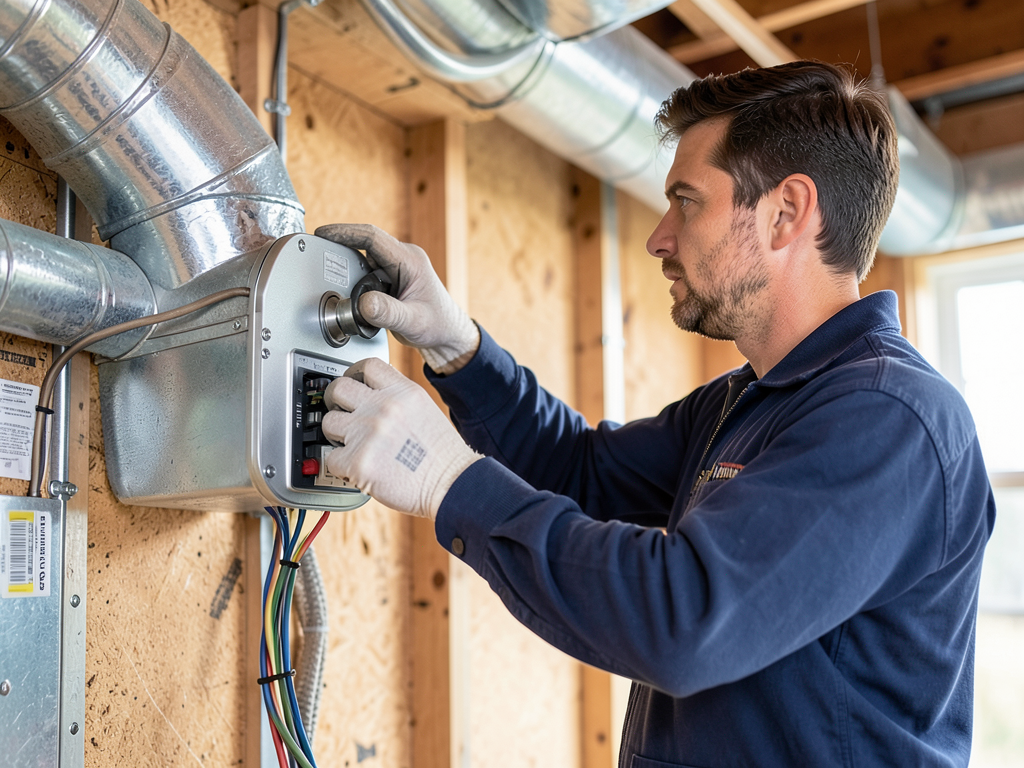
A duct booster fan is a small, electrically powered fan that mounts inside your existing ductwork to increase airflow to specific areas. Think of it as a turbocharger for your HVAC system. When your main blower pushes air through the duct, the booster fan gives it an extra push to reach distant rooms.. Read more about Balancing the Airflow in a Tri-Level Home in Forest Park So Every Room Stays Comfortable.
Two main types exist for residential use. Register boosters mount directly on your vent cover and plug into standard outlets. They’re easy to install but only boost airflow at the register level. Inline duct fans install deeper in the duct system, often near the problem area, and provide more powerful airflow increases.
Most modern booster fans include automatic controls. Pressure switches activate the fan when your HVAC system turns on, while variable speed controllers adjust output based on actual airflow needs. Some high-end models integrate with smart thermostats for precise climate control. Why Your Westerville AC Needs a Tune Up Before the Humidity Hits.
The key benefit is targeted airflow improvement without replacing your entire HVAC system. However, booster fans don’t fix underlying duct design problems. They’re a band-aid solution that works best when your main system functions properly but can’t overcome distance limitations.
Technical Specifications That Matter for Your Darbydale Home
Choosing the right booster fan requires understanding a few technical specifications. Cubic Feet per Minute (CFM) ratings tell you how much air the fan can move. For a typical bedroom, you need 100-200 CFM. Larger living spaces might require 300+ CFM to feel comfortable.
Noise levels measured in Sones matter for residential comfort. A quiet booster fan operates at 1-2 Sones, similar to a whisper. Louder models at 4-6 Sones might be acceptable in utility spaces but not bedrooms. Look for models with vibration-dampening mounts to prevent duct rattling.
Energy consumption varies significantly between models. Basic register boosters use 10-20 watts, while powerful inline fans can draw 60-100 watts. Over a heating season, this adds up on your AEP Ohio bill. Energy Star certified models offer better efficiency.
Installation requirements depend on your home’s electrical setup. Most register boosters need only a nearby outlet. Inline fans often require dedicated 120V circuits and proper grounding per Ohio Electrical Code. Professional installation ensures code compliance and prevents fire hazards from improper wiring.
Comparing Register Boosters vs. Inline Duct Fans
Register boosters offer the easiest DIY installation. You simply replace your existing vent cover with the booster unit and plug it in. Cost ranges from $30-80 per unit. However, they only boost airflow at the very end of the duct run, not throughout the entire length.
Inline duct fans provide more powerful and comprehensive airflow improvement. Installed inside the duct, they can move 200-600 CFM depending on the model. Installation requires cutting into existing ductwork and running electrical connections. Professional installation costs $200-500 per unit, but the performance improvement justifies the investment.
Noise levels differ significantly between types. Register boosters are audible since they’re right in the room. Inline fans are quieter since the duct system muffles sound, though you might hear increased airflow through vents.
Energy efficiency also varies. Inline fans often include more sophisticated controls and higher quality motors. They maintain consistent airflow with less energy waste. Register boosters run at full power whenever active, regardless of actual need. Improving the Air Quality in Your Older Clintonville Home.
For Darbydale’s large, spread-out homes, inline fans typically provide better results. They address the root cause of long duct run problems rather than just treating symptoms at individual vents.
When a Booster Fan Is the Right Solution
Booster fans work best when you have a functioning HVAC system that simply can’t overcome distance limitations. If your system struggles to cool or heat specific rooms despite proper thermostat settings, a booster fan might solve the problem.
Common scenarios include bonus rooms over garages, master suites at the far end of ranch homes, or finished basements where the main trunk line runs underneath. These spaces often feel 5-10 degrees different from the rest of your home.. Read more about How to Add Air Conditioning to a Finished Attic in Your Eastgate Tudor Without Using Window Units.
Booster fans also help with zoning challenges. If you’ve converted attic space or added a sunroom without extending your main ductwork, a booster fan can provide targeted climate control without major renovation costs.
Energy efficiency improves when you can maintain comfortable temperatures in problem areas without cranking up your entire system. This reduces overall runtime and wear on your main HVAC components.
When to Avoid Booster Fans and Call a Professional Instead
Booster fans mask problems rather than fixing them. If your entire system struggles with weak airflow, adding boosters won’t solve the underlying issue. You might have an undersized blower motor, restricted return air, or major duct leaks that need professional attention.
Warning signs that indicate bigger problems include: your system runs constantly but never reaches set temperatures, some rooms are hot while others are cold simultaneously, or you hear whistling or rattling from ducts throughout your home.
Ohio Mechanical Code requires permits for any HVAC modifications that affect system performance. DIY installations that violate code can void your system warranty and create safety hazards. Improper wiring or mounting can lead to electrical fires or equipment damage.
Professional diagnosis often reveals cheaper solutions than booster fans. Duct cleaning removes debris that restricts airflow. Sealing leaks in accessible areas improves system efficiency. Sometimes simply adjusting dampers or rebalancing your system provides the comfort you need.
Call (380) 253-3188 before the next storm hits.
Professional Installation Process and Local Requirements
Professional booster fan installation starts with a complete system evaluation. Technicians measure static pressure, check duct sizing, and identify the exact location where airflow drops. They use specialized tools like manometers to quantify pressure losses throughout your system.
Installation typically takes 2-4 hours per unit. The technician cuts an access hole in your duct, mounts the fan securely, and connects it to a dedicated electrical circuit. They seal all connections with HVAC-approved materials to prevent air leaks that would reduce efficiency.
Franklin County requires permits for any work that modifies existing HVAC systems. The permit ensures your installation meets Ohio Mechanical Code requirements for fire safety, electrical connections, and system performance. Unpermitted work can result in fines and complications when selling your home.
Professional installation includes testing and calibration. Technicians verify the fan moves the expected CFM, check for unusual noises, and ensure automatic controls function properly. They also inspect your entire system for other issues that might affect performance.
Warranty coverage differs significantly between DIY and professional installation. Most manufacturers void warranties if fans aren’t installed by licensed HVAC contractors. Professional installation typically includes a one-year workmanship warranty plus any manufacturer coverage.
Cost Considerations for Darbydale Homeowners
Register booster fans cost $30-80 each for basic models. Premium units with smart controls run $100-150. No professional installation means no labor costs, but you risk electrical hazards and voided warranties. Upgrading to a Smart Thermostat in Grandview Heights to Lower Your Electric Bill.
Inline duct fans range from $150-400 depending on capacity and features. Professional installation adds $200-500 per unit, bringing total costs to $350-900. While higher upfront, these provide better performance and include warranty protection.
Energy costs vary by usage. A 50-watt booster running 8 hours daily costs about $15-20 per heating season at current AEP Ohio rates. More powerful fans increase this cost proportionally.
ROI depends on your specific situation. If a booster fan eliminates the need to run your main system longer or allows you to maintain comfort without replacing your entire HVAC system, the investment pays off within 2-3 years through energy savings.
Consider the alternative costs. Replacing undersized ductwork in a large Darbydale home can cost $3,000-8,000. Adding a second HVAC system runs $5,000-12,000. Booster fans provide a cost-effective solution for targeted airflow problems.
Maintenance and Troubleshooting Tips
Booster fans require minimal maintenance but benefit from annual checks. Dust accumulation on fan blades reduces efficiency by up to 30%. Clean them with a soft brush or vacuum attachment during your regular HVAC maintenance.
Listen for unusual noises that indicate problems. Grinding sounds suggest bearing wear. Clicking might mean electrical issues. Rattling often indicates loose mounting hardware. Address these promptly to prevent complete failure.
Check automatic controls seasonally. Ensure pressure switches activate properly and variable speed controls respond to temperature changes. Malfunctioning controls can cause the fan to run constantly, wasting energy and potentially freezing your AC coil.
Inspect electrical connections annually. Loose wires cause intermittent operation and create fire hazards. Look for signs of overheating like melted insulation or discolored terminals.
If performance drops, check for blocked ducts first. Sometimes the problem isn’t the fan but debris accumulation elsewhere in your system. Professional duct cleaning might restore performance without replacing equipment.
Energy Efficiency and Environmental Impact
Modern booster fans include energy-saving features that minimize environmental impact. Brushless DC motors use 50-70% less electricity than older models. Smart controls activate fans only when needed rather than running constantly.
Proper sizing matters for efficiency. An oversized fan wastes energy and creates noise without improving comfort. Professional load calculations ensure you install the right capacity for your specific needs.
Integration with smart home systems provides additional savings. Thermostats can activate booster fans only when rooms fall outside temperature ranges, reducing unnecessary operation during mild weather.
Ohio’s energy efficiency programs sometimes offer rebates for HVAC upgrades that improve home performance. While booster fans rarely qualify individually, they might be part of a larger efficiency package that includes duct sealing or insulation improvements.
The environmental benefit extends beyond energy savings. When you can maintain comfort without running your main system longer, you reduce overall wear and extend equipment life. This means fewer replacements and less manufacturing waste over time.
Frequently Asked Questions
Will a booster fan increase my energy bills significantly?
Most booster fans use 20-100 watts, similar to a light bulb. Running one 8 hours daily adds $15-30 to your annual energy costs. The comfort improvement and potential reduction in main system runtime often offset this expense.
Can I install a booster fan myself?
Register boosters are DIY-friendly and require only basic electrical knowledge. Inline fans need professional installation to meet Ohio Mechanical Code requirements and ensure proper electrical connections. DIY installation voids most warranties and can create safety hazards.
How long do booster fans typically last?
Quality booster fans last 8-12 years with proper maintenance. Cheaper models might fail in 3-5 years. Professional installation and regular cleaning extend lifespan significantly.
Will a booster fan work with my existing thermostat?
Basic models work independently of your thermostat. Smart models can integrate with most modern thermostats for automated control. Professional installation ensures proper integration without interfering with your main system operation.
Are booster fans noisy?
Modern booster fans operate at 1-4 Sones, similar to a quiet refrigerator. Register models are more noticeable since they’re in the room. Inline fans are quieter since the duct system muffles sound.
Do I need a permit for booster fan installation?
Franklin County requires permits for any HVAC modifications that affect system performance. This includes most inline fan installations. Permits ensure code compliance and proper electrical connections.
Can booster fans cause damage to my HVAC system?
When properly installed, booster fans improve system performance. Improper installation can cause issues like frozen coils or compressor strain. Professional installation prevents these problems.
How do I know if I need one booster fan or multiple?
A professional evaluation determines your actual needs. Some homes need fans in multiple locations, while others need system rebalancing or duct modifications instead. Testing identifies the most cost-effective solution.
Will a booster fan help with humidity control?
Better airflow helps your AC remove humidity more effectively. However, booster fans don’t add dehumidification capacity. For severe humidity problems, you might need a whole-house dehumidifier instead.
What’s the difference between a booster fan and a zoning system?
Booster fans provide simple airflow improvement to specific areas. Zoning systems use multiple thermostats and dampers to control different areas independently. Zoning costs more but offers better overall control and efficiency.
Ready to solve your airflow problems? Call (380) 253-3188 today for a professional evaluation. For more information, visit EPA Indoor Air Quality.
{
“@context”: “https://schema.org”,
“@type”: “BlogPosting”,
“headline”: “Why You Might Need a Booster Fan for the Long Duct Runs in Your Large Darbydale Property”,
“description”: “Struggling with weak airflow in your Darbydale home? Learn how booster fans solve long duct run issues, when to install one, and local HVAC code requirements for Central Ohio.”,
“wordCount”: 2341,
“datePublished”: “2026-05-10T14:56:00.000Z”,
“dateModified”: “2026-05-10T14:56:00.000Z”,
“inLanguage”: “en-US”,
“mainEntityOfPage”: {
“@type”: “WebPage”,
“@id”: “https://grandhvaccolumbus.com”
},
“publisher”: {
“@type”: “LocalBusiness”,
“name”: “Grand HVAC Columbus”,
“url”: “https://grandhvaccolumbus.com”
},
“author”: {
“@type”: “Organization”,
“name”: “Grand HVAC Columbus”,
“url”: “https://grandhvaccolumbus.com”
},
“image”: {
“@type”: “ImageObject”,
“url”: “https://grandhvaccolumbus.com/wp-content/uploads/2026/03/why-you-might-need-a-booster-fan-for-the-long-duct-1.png”
}
}
{
“@context”: “https://schema.org”,
“@type”: “HVACBusiness”,
“name”: “Grand HVAC Columbus”,
“url”: “https://grandhvaccolumbus.com”,
“address”: {
“@type”: “PostalAddress”,
“addressLocality”: “Columbus”
},
“areaServed”: {
“@type”: “City”,
“name”: “Columbus”
}
}
{
“@context”: “https://schema.org”,
“@type”: “FAQPage”,
“mainEntity”: [
{
“@type”: “Question”,
“name”: “What Is a Duct Booster Fan and How Does It Work?”,
“acceptedAnswer”: {
“@type”: “Answer”,
“text”: “A duct booster fan is a small, electrically powered fan that mounts inside your existing ductwork to increase airflow to specific areas. Think of it as a turbocharger for your HVAC system. When your main blower pushes air through the duct, the booster fan gives it an extra push to reach distant rooms.”
}
},
{
“@type”: “Question”,
“name”: “Will a booster fan increase my energy bills significantly?”,
“acceptedAnswer”: {
“@type”: “Answer”,
“text”: “Most booster fans use 20-100 watts, similar to a light bulb. Running one 8 hours daily adds $15-30 to your annual energy costs. The comfort improvement and potential reduction in main system runtime often offset this expense.”
}
},
{
“@type”: “Question”,
“name”: “Can I install a booster fan myself?”,
“acceptedAnswer”: {
“@type”: “Answer”,
“text”: “Register boosters are DIY-friendly and require only basic electrical knowledge. Inline fans need professional installation to meet Ohio Mechanical Code requirements and ensure proper electrical connections. DIY installation voids most warranties and can create safety hazards.”
}
},
{
“@type”: “Question”,
“name”: “How long do booster fans typically last?”,
“acceptedAnswer”: {
“@type”: “Answer”,
“text”: “Quality booster fans last 8-12 years with proper maintenance. Cheaper models might fail in 3-5 years. Professional installation and regular cleaning extend lifespan significantly.”
}
},
{
“@type”: “Question”,
“name”: “Will a booster fan work with my existing thermostat?”,
“acceptedAnswer”: {
“@type”: “Answer”,
“text”: “Basic models work independently of your thermostat. Smart models can integrate with most modern thermostats for automated control. Professional installation ensures proper integration without interfering with your main system operation.”
}
},
{
“@type”: “Question”,
“name”: “Are booster fans noisy?”,
“acceptedAnswer”: {
“@type”: “Answer”,
“text”: “Modern booster fans operate at 1-4 Sones, similar to a quiet refrigerator. Register models are more noticeable since they’re in the room. Inline fans are quieter since the duct system muffles sound.”
}
},
{
“@type”: “Question”,
“name”: “Do I need a permit for booster fan installation?”,
“acceptedAnswer”: {
“@type”: “Answer”,
“text”: “Franklin County requires permits for any HVAC modifications that affect system performance. This includes most inline fan installations. Permits ensure code compliance and proper electrical connections.”
}
},
{
“@type”: “Question”,
“name”: “Can booster fans cause damage to my HVAC system?”,
“acceptedAnswer”: {
“@type”: “Answer”,
“text”: “When properly installed, booster fans improve system performance. Improper installation can cause issues like frozen coils or compressor strain. Professional installation prevents these problems.”
}
},
{
“@type”: “Question”,
“name”: “How do I know if I need one booster fan or multiple?”,
“acceptedAnswer”: {
“@type”: “Answer”,
“text”: “A professional evaluation determines your actual needs. Some homes need fans in multiple locations, while others need system rebalancing or duct modifications instead. Testing identifies the most cost-effective solution.”
}
},
{
“@type”: “Question”,
“name”: “Will a booster fan help with humidity control?”,
“acceptedAnswer”: {
“@type”: “Answer”,
“text”: “Better airflow helps your AC remove humidity more effectively. However, booster fans don’t add dehumidification capacity. For severe humidity problems, you might need a whole-house dehumidifier instead.”
}
},
{
“@type”: “Question”,
“name”: “What’s the difference between a booster fan and a zoning system?”,
“acceptedAnswer”: {
“@type”: “Answer”,
“text”: “Booster fans provide simple airflow improvement to specific areas. Zoning systems use multiple thermostats and dampers to control different areas independently. Zoning costs more but offers better overall control and efficiency.”
}
}
]
}
{
“@context”: “https://schema.org”,
“@type”: “BreadcrumbList”,
“itemListElement”: [
{
“@type”: “ListItem”,
“position”: 1,
“name”: “Home”,
“item”: “https://grandhvaccolumbus.com”
},
{
“@type”: “ListItem”,
“position”: 2,
“name”: “Blog”,
“item”: “https://grandhvaccolumbus.com/blog”
},
{
“@type”: “ListItem”,
“position”: 3,
“name”: “Why You Might Need a Booster Fan for the Long Duct Runs in Your Large Darbydale Property”
}
]
}
{
“@context”: “https://schema.org”,
“@type”: “Service”,
“serviceType”: “HVAC”,
“provider”: {
“@type”: “LocalBusiness”,
“name”: “Grand HVAC Columbus”,
“url”: “https://grandhvaccolumbus.com”
},
“areaServed”: {
“@type”: “City”,
“name”: “Columbus”
},
“description”: “Struggling with weak airflow in your Darbydale home? Learn how booster fans solve long duct run issues, when to install one, and local HVAC code requirements for Central Ohio.”
}