
How to Properly Vent a Gas Range Without Ruining the Air Pressure in Your Dennison Place Home
Gas range venting in older Columbus neighborhoods like Dennison Place requires careful planning to prevent dangerous backdrafting and maintain indoor air quality. The tightly packed historic homes in this area create unique ventilation challenges that many homeowners overlook until problems arise. Improving the Air Quality in Your Older Clintonville Home.
The key to successful kitchen ventilation lies in balancing exhaust airflow with makeup air. When your range hood removes cooking fumes, it also creates negative pressure that can pull carbon monoxide from water heaters, furnaces, and fireplaces back into your living space. This is especially problematic in Dennison Place where many homes were built before modern ventilation standards existed. Where to Find 24 Hour Emergency HVAC Help Anywhere in Columbus.
Proper venting starts with calculating your range hood’s CFM requirements. For gas ranges, you need 100 CFM for every 10,000 BTU of burner output. A typical 40,000 BTU range requires at least 400 CFM of exhaust capacity. However, exceeding 400 CFM in older homes triggers mandatory makeup air requirements under Ohio Mechanical Code Chapter 5. Ohio Mechanical Code.
Understanding Makeup Air Requirements for Columbus Homes
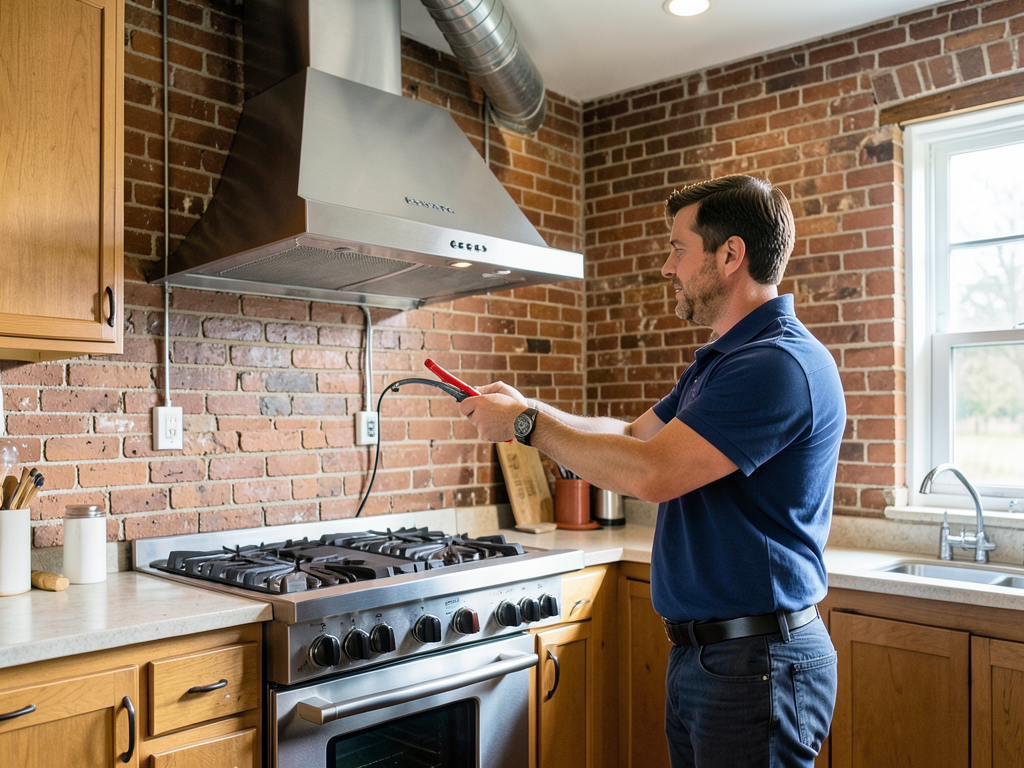
Makeup air systems replace the air your range hood removes, preventing negative pressure that causes backdrafting. In Dennison Place, where homes often have sealed windows and doors, makeup air becomes critical for safety and comfort.. Read more about Protecting Your HVAC System from Dust and Debris During a Major Kitchen Remodel in San Margherita.
The Ohio Mechanical Code requires makeup air when exhaust systems exceed 400 CFM. This means most high-performance gas range installations need additional ventilation. Without makeup air, you might notice cold drafts, difficulty opening doors, or worse, carbon monoxide entering your home from combustion appliances.
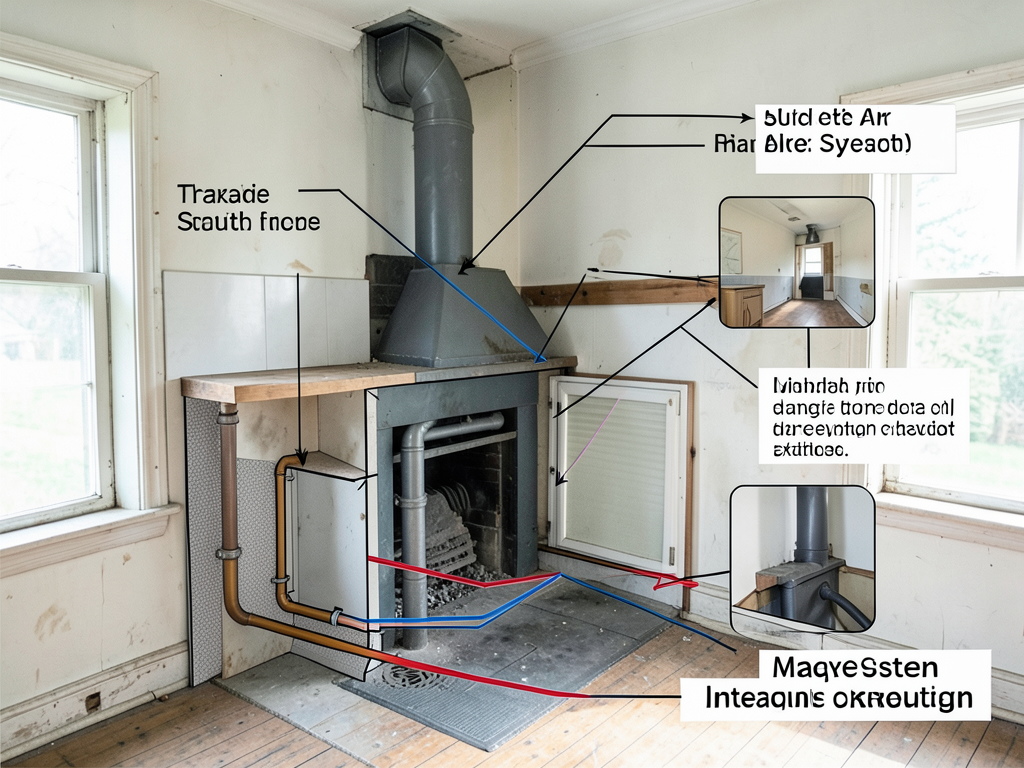
Makeup air can be passive or active. Passive systems use dampers that open when the range hood activates, allowing outside air to enter through a dedicated vent. Active systems use fans to deliver tempered air, maintaining consistent pressure regardless of outdoor conditions.
Common makeup air solutions for Dennison Place homes include:
- Passive wall vents with insulated dampers
- Ceiling-mounted supply grilles connected to attic spaces
- Active makeup air units with heating elements
- Combination systems that integrate with existing HVAC
The best solution depends on your home’s construction, existing HVAC system, and budget. Homes built before 1940 often require more extensive modifications than mid-century construction.
Proper Duct Sizing and Installation Methods
Duct sizing directly impacts ventilation performance and noise levels. Undersized ducts create turbulence, reducing airflow efficiency and increasing operational noise. In older Dennison Place homes, routing ducts through existing wall cavities presents unique challenges.
Standard duct sizing follows these guidelines:
| Range Hood CFM | Required Duct Diameter | Maximum Duct Length |
|---|---|---|
| 400 CFM | 6 inches | 30 feet |
| 600 CFM | 7 inches | 25 feet |
| 800+ CFM | 8 inches | 20 feet |
Each bend in the ductwork reduces effective length by 10-20 feet. In Dennison Place’s historic homes, avoiding multiple bends often means routing through closets or utility spaces rather than exterior walls.
Material selection matters for duct longevity and performance. Rigid galvanized steel provides the best airflow characteristics and fire resistance. Flexible aluminum ducts work for short runs but can collapse under negative pressure if not properly supported.
Proper duct termination prevents backdrafting and improves efficiency. Roof vents work well for homes with accessible attics, while wall caps suit first-floor installations. Both require backdraft dampers to prevent outside air infiltration when the fan isn’t running.
Columbus Building Code Compliance and Permit Requirements
Franklin County requires permits for all range hood installations exceeding 400 CFM or involving new ductwork. The permitting process ensures compliance with Ohio Mechanical Code Chapter 5 and local fire safety regulations.
Key code requirements for Dennison Place installations include:
- Minimum 6-inch clearance from combustible materials
- Fire-rated duct construction for penetrations through walls
- Backdraft dampers on all exterior terminations
- Makeup air systems for exhaust over 400 CFM
- Proper electrical grounding and GFCI protection
Historic district considerations add another layer of complexity. Dennison Place falls under Columbus Historic Preservation guidelines, which may restrict exterior modifications. This often means roof penetrations become the only viable option for duct termination. The Honest Guide to Replacing Your Upper Arlington Furnace This Winter.
Inspection requirements include rough-in inspection before closing walls and final inspection after installation. Missing inspections can result in fines and required rework, delaying your project timeline.
Insurance implications matter too. Improper installations can void coverage if fire or carbon monoxide incidents occur. Always use licensed HVAC contractors familiar with local codes and historic home requirements.
Common Ventilation Problems in Older Columbus Homes
Dennison Place homes face specific ventilation challenges due to their age and construction methods. Many were built before central air conditioning existed, using passive ventilation that doesn’t work with modern exhaust systems.
Backdrafting represents the most dangerous problem. When negative pressure pulls combustion gases back into living spaces, carbon monoxide levels can reach lethal concentrations within minutes. Symptoms include headaches, dizziness, and flu-like symptoms that worsen when cooking.
Moisture control becomes critical in Ohio’s humid climate. Without proper makeup air, cooking moisture accumulates in wall cavities, promoting mold growth behind drywall. This hidden damage often appears as peeling paint or musty odors months after installation.
Noise complaints plague many installations. High-CFM fans without proper duct sizing create whistling sounds that carry through old plaster walls. Sound-dampening duct liners and vibration isolation mounts solve most noise issues but add to installation costs. Troubleshooting AC Issues.
Energy efficiency suffers when makeup air systems aren’t properly integrated. Cold winter air entering through passive vents forces heating systems to work harder, increasing utility bills. Active makeup air units with heat recovery provide comfort while maintaining pressure balance.
Step-by-Step Installation Process
Professional installation ensures code compliance and optimal performance. The process typically takes 1-3 days depending on complexity and existing conditions.
- Assessment and Planning
Evaluate existing conditions, measure available space, and determine optimal duct routing. Consider makeup air requirements and historic district restrictions.
- Permit Acquisition
Submit plans to Franklin County Building Department, pay permit fees, and schedule inspections. This process typically takes 1-2 weeks.
- Makeup Air System Installation
Install passive vents or active makeup air units before range hood installation to avoid conflicts with existing structures.
- Ductwork Installation
Route ducts through least disruptive paths, maintaining proper slope and support spacing. Install fire-rated materials where required.
- Range Hood Mounting
Secure hood to wall or ceiling, connect electrical, and test operation. Adjust for proper clearance and alignment.
- Final Testing and Balancing
Verify airflow rates, check for backdrafting, and ensure makeup air systems operate correctly with the range hood.
Each step requires specific expertise. DIY installations often miss critical details like proper fire blocking or electrical bonding, creating safety hazards.
Cost Factors and Investment Considerations
Range hood ventilation costs vary significantly based on home age, desired performance, and installation complexity. Dennison Place homes typically fall in the higher cost range due to historic construction challenges.
Basic ventilation systems start around $1,500 for simple wall-mount installations in modern construction. Historic homes often require $3,000-$6,000 due to additional work for makeup air, duct routing through existing structures, and code compliance upgrades.
Active makeup air systems add $1,500-$3,000 to the project cost but provide superior comfort and efficiency. Heat recovery units cost more but reduce heating bills in winter months.
Permit fees in Franklin County range from $75-$300 depending on project scope. Historic district reviews may add $100-$200 in additional review fees.
Long-term considerations include energy costs for makeup air systems and potential savings from improved indoor air quality. Proper ventilation can reduce allergy symptoms and prevent moisture damage that would require expensive repairs.
Maintenance and Performance Optimization
Regular maintenance ensures your ventilation system performs efficiently for years. Filter replacement, duct cleaning, and system testing prevent common problems that develop over time.
Range hood filters need cleaning every 1-3 months depending on cooking frequency. Grease buildup reduces airflow and creates fire hazards. Metal filters clean easily in dishwashers, while charcoal filters require replacement every 6-12 months.
Duct cleaning every 2-3 years removes grease accumulation that can restrict airflow and create odors. Professional cleaning uses specialized equipment to reach entire duct runs, including hard-to-access areas behind walls.
Makeup air system filters need quarterly replacement to maintain efficiency. Active systems with heating elements require annual professional inspection to check for proper operation and safety.
Performance testing should occur annually to verify airflow rates match design specifications. Reduced airflow indicates problems like blocked ducts, failing motors, or filter issues that need addressing.
Warning signs requiring immediate attention include unusual noises, reduced suction, or visible moisture around vents. These symptoms often indicate developing problems that worsen if ignored.
Choosing the Right Contractor for Your Dennison Place Home
Not all HVAC contractors understand the unique requirements of historic Columbus homes. Look for specific experience with older construction, local code compliance, and makeup air systems.
Key qualifications include:
- Ohio HVAC license with current certification
- Experience with Franklin County permitting process
- Knowledge of Columbus Historic Preservation guidelines
- References from similar Dennison Place installations
- Insurance coverage for historic home work
Ask potential contractors about their approach to makeup air design. Quality contractors will explain pressure balance concepts and provide options for different performance levels and budgets.
Request detailed proposals that include permit costs, inspection scheduling, and warranty information. Avoid contractors who promise quick installations without permits or proper planning.
Local references matter more than online reviews for specialized work like this. Talk to neighbors who have completed similar projects to learn about their experiences and any unexpected challenges.
Call (380) 253-3188 today to schedule your inspection and ensure your gas range installation meets all safety and code requirements.
Frequently Asked Questions
Do I really need makeup air for my range hood?
Yes, if your exhaust system exceeds 400 CFM or your home is tightly sealed. Ohio Mechanical Code requires makeup air to prevent dangerous backdrafting and maintain indoor air quality.
How long does a typical installation take?
Most installations require 1-3 days for the physical work plus 1-2 weeks for permitting and inspections. Complex historic home installations may take longer due to planning requirements.
Will this work increase my energy bills?
Properly designed systems should not significantly increase energy costs. Active makeup air units with heat recovery can actually reduce heating costs by tempering incoming air.
Can I install this myself to save money?
DIY installations often violate building codes and create safety hazards. Professional installation ensures compliance, proper performance, and warranty protection for your investment. For more information, visit CDC Carbon Monoxide Safety.
You may also find this helpful. Why Your Woodland Park Historical Home Needs a Specialized HVAC Contractor Who Respects Plaster Walls.
You may also find this helpful. Why Your Milo-Grogan Rental Needs Better Ventilation (And How to Talk to Your Landlord).
{
“@context”: “https://schema.org”,
“@type”: “BlogPosting”,
“headline”: “How to Properly Vent a Gas Range Without Ruining the Air Pressure in Your Dennison Place Home”,
“description”: “Proper gas range venting prevents backdrafting and air pressure issues in older Columbus homes. Learn makeup air solutions, code compliance, and safe installation methods.”,
“wordCount”: 1739,
“datePublished”: “2026-05-04T11:18:00.000Z”,
“dateModified”: “2026-05-04T11:18:00.000Z”,
“inLanguage”: “en-US”,
“mainEntityOfPage”: {
“@type”: “WebPage”,
“@id”: “https://grandhvaccolumbus.com”
},
“publisher”: {
“@type”: “LocalBusiness”,
“name”: “Grand HVAC Columbus”,
“url”: “https://grandhvaccolumbus.com”
},
“author”: {
“@type”: “Organization”,
“name”: “Grand HVAC Columbus”,
“url”: “https://grandhvaccolumbus.com”
},
“image”: {
“@type”: “ImageObject”,
“url”: “https://grandhvaccolumbus.com/wp-content/uploads/2026/03/how-to-properly-vent-a-gas-range-without-ruining-t-1.png”
}
}
{
“@context”: “https://schema.org”,
“@type”: “HVACBusiness”,
“name”: “Grand HVAC Columbus”,
“url”: “https://grandhvaccolumbus.com”,
“address”: {
“@type”: “PostalAddress”,
“addressLocality”: “Columbus”
},
“areaServed”: {
“@type”: “City”,
“name”: “Columbus”
}
}
{
“@context”: “https://schema.org”,
“@type”: “FAQPage”,
“mainEntity”: [
{
“@type”: “Question”,
“name”: “Do I really need makeup air for my range hood?”,
“acceptedAnswer”: {
“@type”: “Answer”,
“text”: “Yes, if your exhaust system exceeds 400 CFM or your home is tightly sealed. Ohio Mechanical Code requires makeup air to prevent dangerous backdrafting and maintain indoor air quality.”
}
},
{
“@type”: “Question”,
“name”: “How long does a typical installation take?”,
“acceptedAnswer”: {
“@type”: “Answer”,
“text”: “Most installations require 1-3 days for the physical work plus 1-2 weeks for permitting and inspections. Complex historic home installations may take longer due to planning requirements.”
}
},
{
“@type”: “Question”,
“name”: “Will this work increase my energy bills?”,
“acceptedAnswer”: {
“@type”: “Answer”,
“text”: “Properly designed systems should not significantly increase energy costs. Active makeup air units with heat recovery can actually reduce heating costs by tempering incoming air.”
}
},
{
“@type”: “Question”,
“name”: “Can I install this myself to save money?”,
“acceptedAnswer”: {
“@type”: “Answer”,
“text”: “DIY installations often violate building codes and create safety hazards. Professional installation ensures compliance, proper performance, and warranty protection for your investment. For more information, visit CDC Carbon Monoxide Safety.”
}
}
]
}
{
“@context”: “https://schema.org”,
“@type”: “HowTo”,
“name”: “How to Install Gas Range Ventilation”,
“step”: [
{
“@type”: “HowToStep”,
“position”: 1,
“name”: “Assessment and Planning”,
“text”: “Evaluate existing conditions, measure available space, and determine optimal duct routing. Consider makeup air requirements and historic district restrictions.”
},
{
“@type”: “HowToStep”,
“position”: 2,
“name”: “Permit Acquisition”,
“text”: “Submit plans to Franklin County Building Department, pay permit fees, and schedule inspections. This process typically takes 1-2 weeks.”
},
{
“@type”: “HowToStep”,
“position”: 3,
“name”: “Makeup Air System Installation”,
“text”: “Install passive vents or active makeup air units before range hood installation to avoid conflicts with existing structures.”
},
{
“@type”: “HowToStep”,
“position”: 4,
“name”: “Ductwork Installation”,
“text”: “Route ducts through least disruptive paths, maintaining proper slope and support spacing. Install fire-rated materials where required.”
},
{
“@type”: “HowToStep”,
“position”: 5,
“name”: “Range Hood Mounting”,
“text”: “Secure hood to wall or ceiling, connect electrical, and test operation. Adjust for proper clearance and alignment.”
},
{
“@type”: “HowToStep”,
“position”: 6,
“name”: “Final Testing and Balancing”,
“text”: “Verify airflow rates, check for backdrafting, and ensure makeup air systems operate correctly with the range hood.”
}
],
“image”: “https://grandhvaccolumbus.com/wp-content/uploads/2026/03/how-to-properly-vent-a-gas-range-without-ruining-t-1.png”
}
{
“@context”: “https://schema.org”,
“@type”: “BreadcrumbList”,
“itemListElement”: [
{
“@type”: “ListItem”,
“position”: 1,
“name”: “Home”,
“item”: “https://grandhvaccolumbus.com”
},
{
“@type”: “ListItem”,
“position”: 2,
“name”: “Blog”,
“item”: “https://grandhvaccolumbus.com/blog”
},
{
“@type”: “ListItem”,
“position”: 3,
“name”: “How to Properly Vent a Gas Range Without Ruining the Air Pressure in Your Dennison Place Home”
}
]
}
{
“@context”: “https://schema.org”,
“@type”: “Service”,
“serviceType”: “HVAC”,
“provider”: {
“@type”: “LocalBusiness”,
“name”: “Grand HVAC Columbus”,
“url”: “https://grandhvaccolumbus.com”
},
“areaServed”: {
“@type”: “City”,
“name”: “Columbus”
},
“description”: “Proper gas range venting prevents backdrafting and air pressure issues in older Columbus homes. Learn makeup air solutions, code compliance, and safe installation methods.”
}