
Comparing Radiant Floor Heating and Furnaces for Your Granville Remodel
Choosing the right heating system for your Granville home remodel requires understanding how each option performs in Central Ohio’s climate. Radiant floor heating delivers consistent warmth from the ground up while furnaces provide quick, powerful heat through ductwork. Your decision impacts comfort, energy bills, and installation costs for years to come.. Read more about Protecting Your HVAC System from Dust and Debris During a Major Kitchen Remodel in San Margherita.
Radiant systems work by circulating warm water through pipes under your flooring or using electric mats. This creates even heat distribution without drafts or noise. Furnaces generate heat through gas or electric burners then push warm air through ducts to each room. Both systems have distinct advantages for Ohio homeowners dealing with cold winters and humid summers.
Understanding Radiant Floor Heating Systems
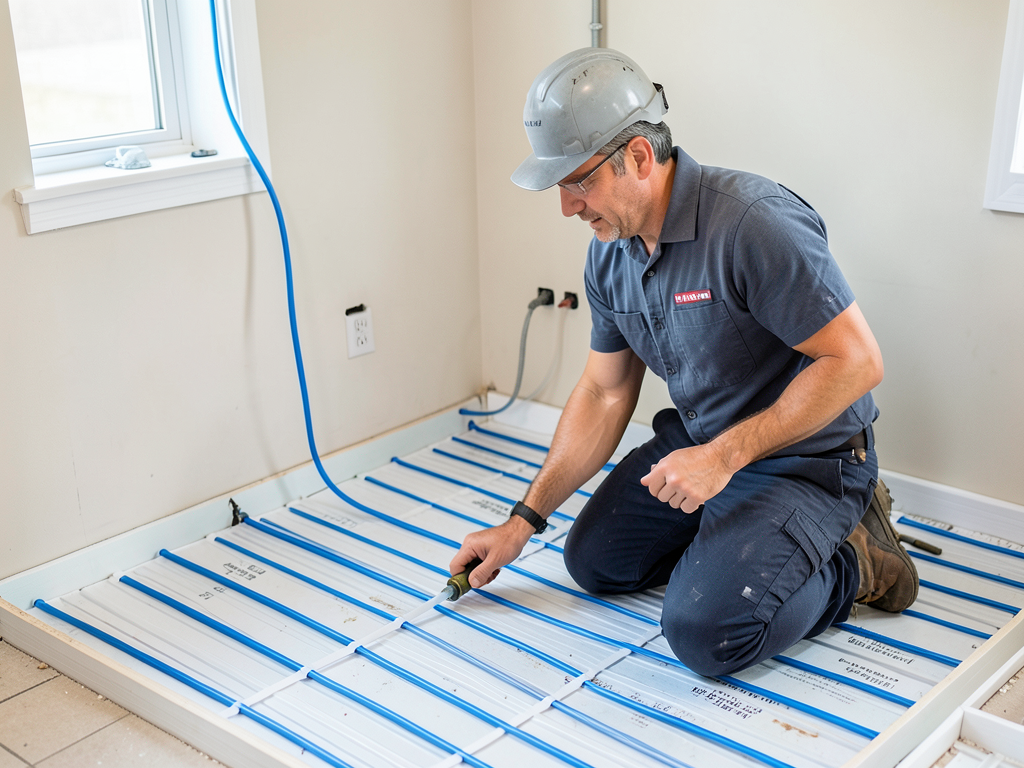
Radiant floor heating comes in two main types: hydronic and electric. Hydronic systems pump heated water through PEX tubing installed beneath your floor. Electric systems use resistance wires or mats that generate heat when electricity flows through them. Both create comfortable, even warmth that rises naturally from the floor surface.
Hydronic systems cost more upfront but use less energy over time. They connect to your existing boiler or a dedicated water heater. Electric systems install more easily in small areas like bathrooms or kitchens but cost more to operate. Your floor covering choice affects performance – tile and stone conduct heat best while carpet insulates against it.
Installation requires removing existing flooring and may need subfloor modifications. Professional installation ensures proper tubing spacing and pressure testing. Most systems include a thermostat for zone control, letting you heat specific areas independently.
Forced Air Furnaces: The Traditional Choice
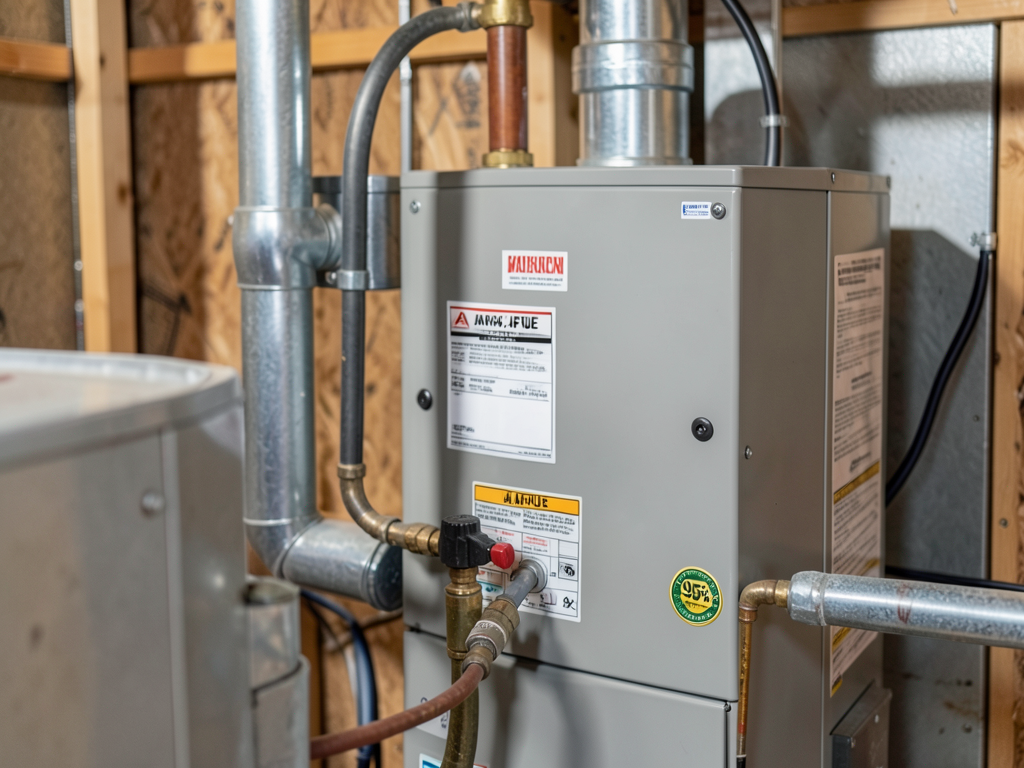
Forced air furnaces remain the most common heating system in Ohio homes. They heat air quickly and distribute it through existing ductwork. Modern high-efficiency models achieve 95% or higher Annual Fuel Utilization Efficiency (AFUE) ratings. This means 95% of fuel energy converts to heat while only 5% escapes.
Gas furnaces connect to Columbia Gas of Ohio lines while electric models plug into AEP Ohio’s power grid. Natural gas typically costs less per BTU than electricity in Central Ohio. Furnaces also handle air filtration and humidity control when paired with proper accessories.
Quick heat delivery makes furnaces ideal for Columbus’s rapid temperature swings. They work with central air conditioning systems using the same ductwork. Modern variable-speed blowers adjust airflow automatically for better comfort and efficiency.
Cost Comparison: Initial Investment vs. Operating Expenses
Radiant floor heating typically costs $10 to $20 per square foot installed. A 1,500 square foot installation runs $15,000 to $30,000. Furnaces cost $3,000 to $7,000 installed including ductwork modifications. The price difference reflects radiant’s labor-intensive installation versus furnaces’ standardized components.
Operating costs vary by energy source and usage patterns. Hydronic radiant systems use 15-30% less energy than forced air in well-insulated homes. Electric radiant costs more to operate but provides excellent comfort in small areas. Furnace efficiency depends on AFUE rating and proper maintenance.
Columbia Gas and AEP Ohio offer rebates for high-efficiency equipment. Current incentives include $300 to $500 for furnaces with 95% AFUE or higher. These programs change annually based on utility company budgets.
Energy Efficiency in Ohio’s Climate
Ohio’s climate affects system performance differently. Radiant heat maintains consistent temperatures without drafts. This reduces heat loss through windows and doors common in older Granville homes. Furnaces respond quickly to temperature drops but create air movement that can feel drafty.
Thermal mass plays a key role in radiant efficiency. Concrete slabs and tile floors store heat and release it slowly. This smooths out temperature fluctuations during Ohio’s unpredictable spring and fall weather. Furnaces must cycle more frequently to maintain comfort.
Humidity control differs between systems. Furnaces can integrate whole-house humidifiers to combat dry winter air. Radiant systems don’t affect indoor humidity levels. Both work well with smart thermostats that learn your schedule and adjust automatically. Upgrading to a Smart Thermostat in Grandview Heights to Lower Your Electric Bill.
Installation Considerations for Existing Homes
Adding radiant heat to existing homes requires significant demolition. You must remove flooring, access the subfloor, and often modify door heights for new floor levels. This makes radiant more practical during major remodels or additions rather than simple upgrades.
Furnaces often replace existing units using current ductwork. This minimizes demolition and reduces installation time. However, older Granville homes may need duct sealing or resizing for proper airflow. Professional duct testing identifies leaks and sizing issues.
Electrical service capacity matters for both systems. Electric radiant and heat pumps require adequate amperage. Gas furnaces need proper venting and gas line sizing. Your home’s age and electrical panel determine upgrade costs.
Maintenance Requirements and Lifespan
Radiant floor systems need minimal maintenance once installed. Hydronic systems require annual boiler checks and occasional pump replacement. Electric systems rarely need service beyond thermostat checks. Both offer 20-30 year lifespans with proper care.
Furnaces need regular filter changes every 1-3 months. Annual professional maintenance includes burner cleaning, heat exchanger inspection, and safety checks. Belts, motors, and controls may need replacement every 5-10 years. Typical furnace lifespan reaches 15-20 years.
Hard water in Central Ohio affects both systems. Radiant boilers need water treatment to prevent scale buildup. Furnaces don’t face this issue but require clean filters to maintain efficiency. Professional water testing helps determine treatment needs. Why Your Westerville AC Needs a Tune Up Before the Humidity Hits.
Indoor Air Quality Impact
Radiant heat doesn’t move air, so it doesn’t circulate dust or allergens. This benefits allergy sufferers and reduces cleaning needs. However, it doesn’t provide air filtration or humidity control without separate equipment. EPA furnace efficiency guide.
Furnaces move air through filters that capture dust, pollen, and other particles. High-efficiency filters can remove microscopic allergens. However, ductwork can harbor dust and mold if not properly maintained. UV light systems and electronic air cleaners enhance filtration.
Ohio’s high pollen counts make filtration important. Furnace filters with MERV 8-13 ratings balance airflow and particle capture. Regular filter changes maintain efficiency and air quality. Improving the Air Quality in Your Older Clintonville Home.
Smart Home Integration
Both systems work with smart thermostats for remote control and scheduling. Radiant systems often include floor sensors for precise temperature control. Furnaces integrate easily with whole-house automation systems.
Zone control works differently for each system. Radiant naturally creates zones since each room has independent thermostat control. Furnaces use dampers in ductwork to direct airflow to specific areas. Smart zoning can reduce energy use by 20-30%.
Voice control through Amazon Alexa or Google Home works with most modern systems. You can adjust temperatures, set schedules, and monitor energy use from your smartphone.
Making Your Decision: Factors to Consider
Your home’s construction affects system choice. Radiant works best in homes with concrete slabs or where you’re replacing flooring anyway. Furnaces suit homes with existing ductwork or where quick heat response matters more than even distribution. Where to Find 24 Hour Emergency HVAC Help Anywhere in Columbus.
Energy costs in your area influence long-term expenses. Natural gas prices in Central Ohio currently favor furnaces for whole-house heating. Electric rates make radiant more expensive to operate but provide superior comfort in specific areas.
Consider your remodeling scope. Major renovations provide ideal opportunities for radiant installation. Simple furnace replacement makes sense when ductwork exists and you want minimal disruption.
Your comfort preferences matter most. Do you want silent, draft-free warmth or quick heat response? Do you prioritize air filtration or minimal maintenance? Your answers guide the best choice for your Granville home. The Honest Guide to Replacing Your Upper Arlington Furnace This Winter.
Professional Installation Requirements
Both systems require licensed HVAC contractors familiar with Ohio codes. Radiant installation needs plumbers experienced with hydronic systems. Furnace work requires expertise in gas lines, electrical connections, and venting.
Franklin County building permits apply to both installations. Inspections ensure compliance with Ohio Mechanical Code requirements. Professional installation protects your warranty and ensures safe operation.
Ask contractors about their experience with your specific system type. Request references from recent installations. Verify licensing and insurance before signing contracts.
Future-Proofing Your Investment
Consider how your heating needs might change. Radiant systems adapt well to solar thermal integration. Furnaces work with heat pumps for hybrid systems that switch based on outdoor temperatures.
Both systems support air conditioning integration. Furnaces use the same ductwork while radiant requires separate cooling equipment. Mini-split heat pumps offer an alternative that provides both heating and cooling without ductwork.
Energy prices fluctuate over time. High-efficiency equipment provides protection against rising utility costs. Look for Energy Star certification and high efficiency ratings regardless of system type.
Your remodeling timeline affects installation scheduling. Radiant projects take longer due to flooring removal and system installation. Furnace replacements often complete in one day. Plan accordingly to minimize disruption.
Frequently Asked Questions
Which system costs less to operate in Ohio?
Natural gas furnaces typically cost less to operate than electric radiant systems in Central Ohio. Current Columbia Gas rates average $0.90 per therm while AEP Ohio electricity costs about $0.13 per kWh. However, high-efficiency radiant systems can offset some of this difference through better heat distribution.
Can I install radiant heat in just one room?
Yes, electric radiant mats work well for bathrooms, kitchens, or other small areas. These systems cost $500 to $2,000 installed and provide luxury comfort where you need it most. Hydronic systems require more extensive installation making them better for whole-house applications.
How long does installation take?
Furnace replacement typically completes in 4-8 hours. Radiant floor installation takes 2-5 days depending on project size and flooring removal requirements. Hydronic systems need additional time for boiler connections and pressure testing.
Do I need special flooring for radiant heat?
Tile, stone, and concrete work best with radiant heat. These materials conduct heat efficiently and withstand temperature changes. Engineered wood and some luxury vinyl products also work well. Carpet and thick padding insulate against heat reducing system effectiveness.
Will radiant heat increase my home’s value?
Radiant floor heating can increase home value by $10 to $20 per square foot installed. Buyers often view it as a luxury upgrade. However, the return depends on your local market and buyer preferences. Furnaces provide essential heating but rarely add premium value.
What maintenance do these systems need?
Radiant systems need annual boiler checks and occasional pump maintenance. Furnaces require monthly filter changes and annual professional tune-ups. Both systems benefit from regular professional inspections to ensure safe, efficient operation.
Ready to Choose Your Heating System?
Both radiant floor heating and furnaces offer excellent options for your Granville remodel. Your specific needs, budget, and home construction guide the best choice. Professional evaluation helps identify which system provides optimal comfort and efficiency for your situation.
Call (380) 253-3188 today to schedule your heating consultation. Our licensed technicians will assess your home, discuss your options, and provide detailed quotes for both systems. Don’t wait until winter weather arrives to make this important decision.
Pick up the phone and call (380) 253-3188 before the next cold snap hits. We’ll help you choose the perfect heating system for your Granville remodel and ensure comfortable, efficient warmth for years to come. For more information, visit U.S. Department of Energy radiant heating guide.
{
“@context”: “https://schema.org”,
“@type”: “BlogPosting”,
“headline”: “Choosing Between Radiant Floor Heating and a Furnace for Your Granville Remodel”,
“description”: “Compare radiant floor heating vs. furnaces for your Granville remodel. Get expert insights on costs, efficiency, and installation for Ohio’s climate.”,
“wordCount”: 1857,
“datePublished”: “2026-04-23T10:18:00.000Z”,
“dateModified”: “2026-04-23T10:18:00.000Z”,
“inLanguage”: “en-US”,
“mainEntityOfPage”: {
“@type”: “WebPage”,
“@id”: “https://grandhvaccolumbus.com”
},
“publisher”: {
“@type”: “LocalBusiness”,
“name”: “Grand HVAC Columbus”,
“url”: “https://grandhvaccolumbus.com”
},
“author”: {
“@type”: “Organization”,
“name”: “Grand HVAC Columbus”,
“url”: “https://grandhvaccolumbus.com”
},
“image”: {
“@type”: “ImageObject”,
“url”: “https://grandhvaccolumbus.com/wp-content/uploads/2026/03/choosing-between-radiant-floor-heating-and-a-furna-1.png”
}
}
{
“@context”: “https://schema.org”,
“@type”: “HVACBusiness”,
“name”: “Grand HVAC Columbus”,
“url”: “https://grandhvaccolumbus.com”,
“address”: {
“@type”: “PostalAddress”,
“addressLocality”: “Columbus”
},
“areaServed”: {
“@type”: “City”,
“name”: “Columbus”
}
}
{
“@context”: “https://schema.org”,
“@type”: “FAQPage”,
“mainEntity”: [
{
“@type”: “Question”,
“name”: “Which system costs less to operate in Ohio?”,
“acceptedAnswer”: {
“@type”: “Answer”,
“text”: “Natural gas furnaces typically cost less to operate than electric radiant systems in Central Ohio. Current Columbia Gas rates average $0.90 per therm while AEP Ohio electricity costs about $0.13 per kWh. However, high-efficiency radiant systems can offset some of this difference through better heat distribution.”
}
},
{
“@type”: “Question”,
“name”: “Can I install radiant heat in just one room?”,
“acceptedAnswer”: {
“@type”: “Answer”,
“text”: “Yes, electric radiant mats work well for bathrooms, kitchens, or other small areas. These systems cost $500 to $2,000 installed and provide luxury comfort where you need it most. Hydronic systems require more extensive installation making them better for whole-house applications.”
}
},
{
“@type”: “Question”,
“name”: “How long does installation take?”,
“acceptedAnswer”: {
“@type”: “Answer”,
“text”: “Furnace replacement typically completes in 4-8 hours. Radiant floor installation takes 2-5 days depending on project size and flooring removal requirements. Hydronic systems need additional time for boiler connections and pressure testing.”
}
},
{
“@type”: “Question”,
“name”: “Do I need special flooring for radiant heat?”,
“acceptedAnswer”: {
“@type”: “Answer”,
“text”: “Tile, stone, and concrete work best with radiant heat. These materials conduct heat efficiently and withstand temperature changes. Engineered wood and some luxury vinyl products also work well. Carpet and thick padding insulate against heat reducing system effectiveness.”
}
},
{
“@type”: “Question”,
“name”: “Will radiant heat increase my home’s value?”,
“acceptedAnswer”: {
“@type”: “Answer”,
“text”: “Radiant floor heating can increase home value by $10 to $20 per square foot installed. Buyers often view it as a luxury upgrade. However, the return depends on your local market and buyer preferences. Furnaces provide essential heating but rarely add premium value.”
}
},
{
“@type”: “Question”,
“name”: “What maintenance do these systems need?”,
“acceptedAnswer”: {
“@type”: “Answer”,
“text”: “Radiant systems need annual boiler checks and occasional pump maintenance. Furnaces require monthly filter changes and annual professional tune-ups. Both systems benefit from regular professional inspections to ensure safe, efficient operation.”
}
},
{
“@type”: “Question”,
“name”: “Ready to Choose Your Heating System?”,
“acceptedAnswer”: {
“@type”: “Answer”,
“text”: “Both radiant floor heating and furnaces offer excellent options for your Granville remodel. Your specific needs, budget, and home construction guide the best choice. Professional evaluation helps identify which system provides optimal comfort and efficiency for your situation.”
}
}
]
}
{
“@context”: “https://schema.org”,
“@type”: “BreadcrumbList”,
“itemListElement”: [
{
“@type”: “ListItem”,
“position”: 1,
“name”: “Home”,
“item”: “https://grandhvaccolumbus.com”
},
{
“@type”: “ListItem”,
“position”: 2,
“name”: “Blog”,
“item”: “https://grandhvaccolumbus.com/blog”
},
{
“@type”: “ListItem”,
“position”: 3,
“name”: “Choosing Between Radiant Floor Heating and a Furnace for Your Granville Remodel”
}
]
}
{
“@context”: “https://schema.org”,
“@type”: “Service”,
“serviceType”: “HVAC”,
“provider”: {
“@type”: “LocalBusiness”,
“name”: “Grand HVAC Columbus”,
“url”: “https://grandhvaccolumbus.com”
},
“areaServed”: {
“@type”: “City”,
“name”: “Columbus”
},
“description”: “Compare radiant floor heating vs. furnaces for your Granville remodel. Get expert insights on costs, efficiency, and installation for Ohio’s climate.”
}