
The Short Answer: Do Smart Vents Actually Work?
Smart vents can provide room-specific temperature control and modest energy savings in large Dublin homes, but they require careful installation and professional oversight to avoid damaging your HVAC system. They work by automatically opening and closing dampers based on thermostat signals, creating virtual zones without installing new ductwork. However, closing too many vents can cause static pressure buildup that stresses your blower motor and potentially cracks your heat exchanger. The technology works best in homes with variable-speed air handlers and when used as a supplement to, not a replacement for, professional HVAC zoning systems. Air Conditioning Contractors of America.
How Smart Vents Function with Your HVAC System
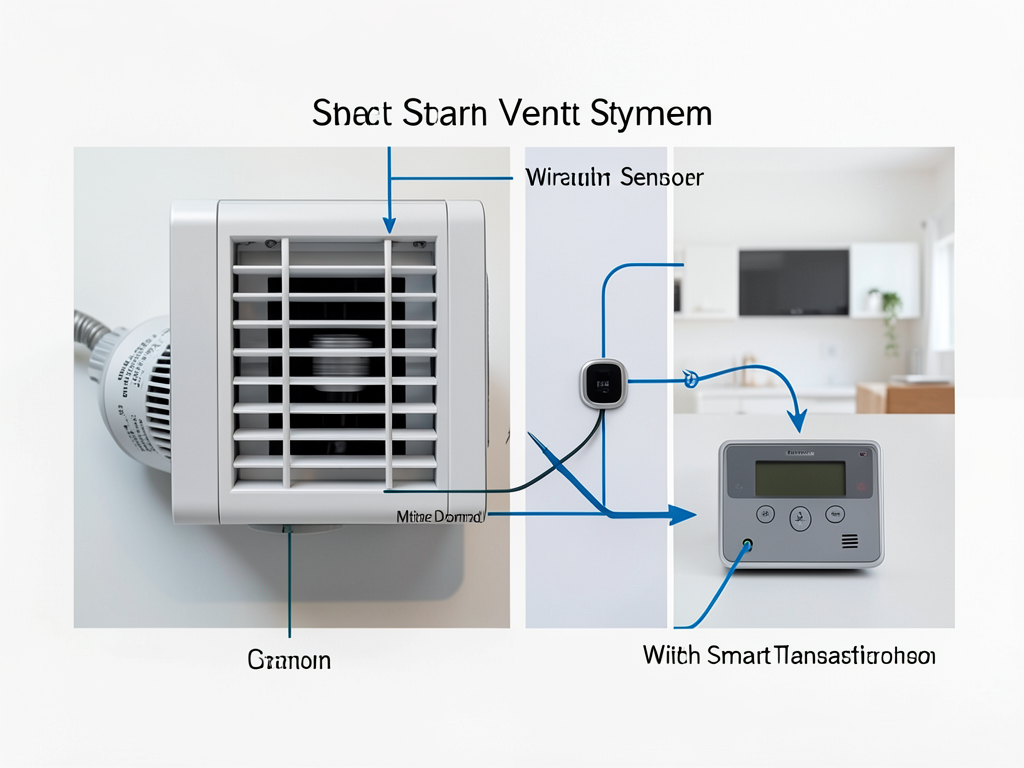
Smart vents operate as part of a connected ecosystem. Each vent contains a motorized damper controlled by a wireless bridge or gateway that communicates with your smart thermostat. When a room reaches its target temperature, the system signals that vent to close while others remain open. This creates pressure changes throughout your ductwork that the system must manage.. Read more about Maintaining Precise Temperature Control for Exotic Pets and Birds in Your Gahanna Home.
Upgrading to a Smart Thermostat in Grandview Heights to Lower Your Electric Bill.
The key components include:
- Motorized dampers that replace standard vent covers
- Wireless temperature and pressure sensors
- A central bridge that coordinates all vents
- Integration with smart thermostats like Nest or Ecobee
Most systems claim compatibility with existing ductwork, but the reality depends on your furnace’s ability to handle restricted airflow. In Dublin’s older homes with original ductwork, this becomes a critical concern. The system must maintain minimum airflow to prevent your evaporator coil from freezing or your heat exchanger from overheating.
The Benefits: Energy Savings and Zoned Comfort
Smart vents offer several advantages for large Dublin homes where temperature variations are common. Many two-story homes built in the 1990s and 2000s suffer from the “hot upstairs, cold downstairs” problem during Ohio summers. Smart vents can direct more conditioned air to upstairs bedrooms while reducing airflow to already-cool main floor areas.. Read more about Moving Your Air Vents During a Major Kitchen Renovation in Upper Arlington.
Ohio Administrative Code Chapter 4101:8.
Energy savings typically range from 10-20% in unused rooms when vents close automatically. For Dublin homeowners who work from home and only use certain rooms during the day, this can translate to noticeable utility bill reductions. The technology also eliminates the need to manually adjust vent registers each season.
Common comfort improvements include:
- Solving the “cold back bedroom” problem in split-level homes
- Balancing temperatures between sun-exposed and shaded rooms
- Reducing energy waste in guest rooms or basements
- Creating comfortable sleeping temperatures without cooling the entire house
The Risks: Static Pressure and Blower Motor Stress
This is where professional oversight becomes essential. When smart vents close, they create resistance in your ductwork that your furnace’s blower motor must overcome. If too many vents close simultaneously, static pressure increases dramatically. According to the Air Conditioning Contractors of America (ACCA) Manual D, residential systems typically operate at 0.1-0.3 inches of water column static pressure. Smart vent systems can push this to 0.5 inches or higher.
Where to Find 24 Hour Emergency HVAC Help Anywhere in Columbus.
The consequences of excessive static pressure include:
- Reduced airflow across the evaporator coil, causing it to freeze
- Overheating of the heat exchanger, potentially causing cracks
- Increased energy consumption as the blower works harder
- Premature failure of the blower motor bearings
- Compressor damage from inadequate return airflow
Ohio’s building code, per the Ohio Administrative Code Chapter 4101:8, requires proper airflow design for HVAC systems. Smart vents that violate these principles could void your equipment warranty. Most manufacturers explicitly state that aftermarket airflow restrictions void warranties on heat exchangers and compressors.
Smart Vents vs. Traditional HVAC Zoning
Traditional zoning uses motorized dampers installed in your main ductwork, controlled by multiple thermostats. This approach maintains proper airflow through bypass dampers or variable-speed equipment. Smart vents, by contrast, are installed at each register and work independently.. Read more about Adding Modern HVAC Zoning to a Historic Home in Bronzeville Without Tearing Down Walls.
| Feature | Smart Vents | Traditional Zoning |
|---|---|---|
| Installation | DIY-friendly, 15-30 minutes per vent | Professional installation, 4-8 hours |
| Cost | $75-150 per vent | $1,500-3,500 for full system |
| System Compatibility | Works with most existing setups | Requires compatible furnace/handler |
| Airflow Management | Risk of pressure buildup | Engineered bypass systems |
| Warranty Impact | May void equipment warranties | Maintains manufacturer warranties |
Cost Analysis and ROI in Central Ohio
For a typical 3,000-square-foot Dublin home with 15-20 vents, smart vent installation costs range from $1,125 to $3,000. Professional installation adds $500-1,000 if you want proper static pressure testing. Traditional zoning for the same home would cost $2,500-4,000 installed.
Energy savings depend on your usage patterns. If you regularly close off 30-40% of your home during work hours, smart vents could save $15-30 monthly on cooling costs during Ohio’s humid summers. The payback period stretches to 4-7 years, longer if you factor in potential equipment repairs from pressure-related damage.
Columbus-area utilities like AEP Ohio and Columbia Gas don’t currently offer rebates for smart vent technology, though they do provide incentives for variable-speed equipment that inherently manages airflow better than single-stage systems.
Professional Installation Considerations
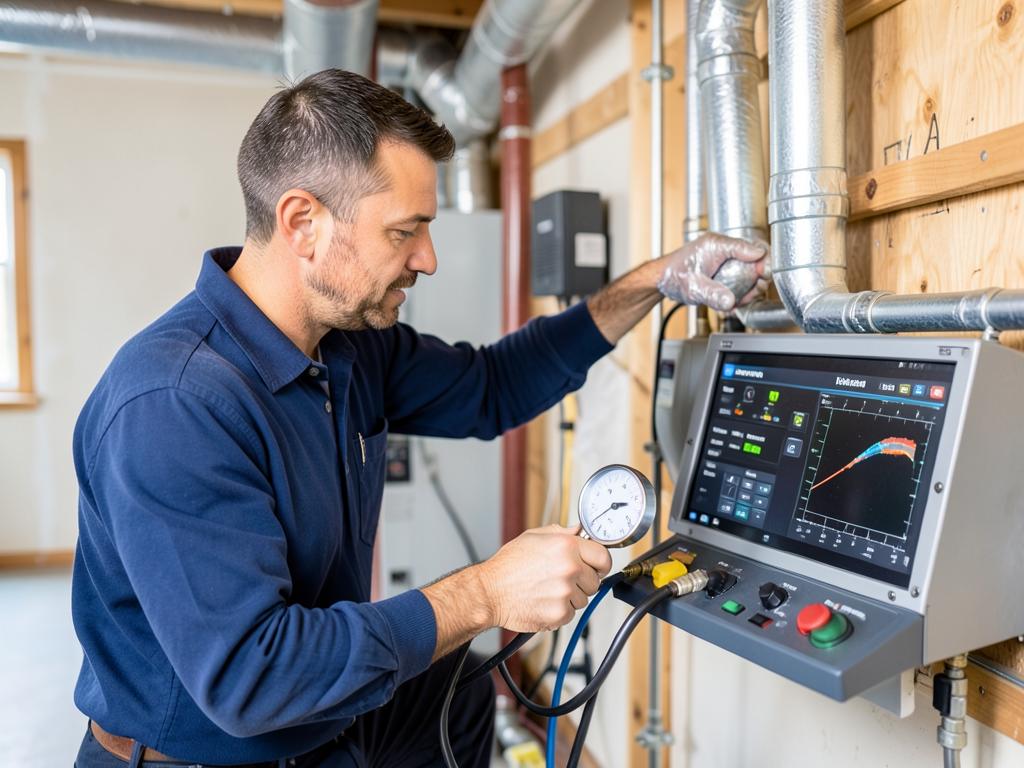
Before installing smart vents in your Dublin home, a professional should perform a static pressure test using a manometer. This diagnostic measures your system’s baseline pressure and calculates the maximum number of vents that can safely close simultaneously. Homes with older ductwork or undersized returns face greater risks.. Read more about The Best HVAC Questions to Ask Your Builder Before Buying a New Construction in Jerome Village.
The test involves:
- Measuring total external static pressure with all vents open
- Calculating available pressure budget for vent closures
- Testing individual vent closure impacts
- Verifying adequate return airflow
- Checking for existing duct leaks that could worsen pressure issues
Dublin’s newer developments like Tartan West and Muirfield typically have better ductwork design than homes in older sections near Glacier Ridge Metro Park. Homes built before 2000 often have return air issues that make smart vents problematic regardless of pressure testing. Troubleshooting AC Issues.
Making the Right Choice for Your Dublin Home
Smart vents work best when you understand their limitations. They’re excellent for minor temperature adjustments and energy savings in homes with modern HVAC equipment. However, if you’re dealing with major comfort issues, have an older system, or want guaranteed performance without risking equipment damage, traditional zoning or professional duct modifications remain the safer choice.
The decision ultimately depends on your home’s specific characteristics. A professional HVAC technician familiar with Dublin’s housing stock can evaluate your ductwork design, system capacity, and comfort goals to recommend the most appropriate solution.
Frequently Asked Questions
Will smart vents void my furnace warranty?
Most furnace manufacturers state that aftermarket modifications affecting airflow can void warranties. Smart vents that significantly increase static pressure may fall into this category, especially for heat exchangers and compressors. Always check your warranty terms before installation.
How many smart vents can I install before causing problems?
This depends on your system’s static pressure capacity and ductwork design. A professional static pressure test can determine safe limits, but generally, closing more than 30-40% of vents simultaneously risks damage. Homes with variable-speed blowers handle restrictions better than single-stage systems.
Are smart vents compatible with my existing smart thermostat?
Most smart vent systems work with major smart thermostats like Nest, Ecobee, and Honeywell. However, integration varies by brand. Some systems require their own bridge device, while others integrate directly with your thermostat’s zoning features.
Can I install smart vents myself?
DIY installation is possible since vents simply replace existing register covers. However, without professional testing, you risk damaging your HVAC system. If you proceed DIY, monitor your system for unusual noises, longer run times, or cooling issues that might indicate pressure problems.
What’s the alternative to smart vents for zoned comfort?
Professional zoning systems with motorized dampers in your main ductwork provide the safest, most reliable solution. These systems include bypass dampers to maintain proper airflow and are designed to work with your specific HVAC equipment without voiding warranties.
Call (380) 253-3188 Today for a Professional Assessment
Before investing in smart vents for your Dublin home, call (380) 253-3188 to schedule a comprehensive HVAC assessment. We’ll test your system’s static pressure, evaluate your ductwork design, and recommend the safest solution for achieving the comfort you want without risking expensive equipment damage. Don’t guess about your home’s airflow needs—get professional guidance that protects your investment. Why Your Westerville AC Needs a Tune Up Before the Humidity Hits.
You may also find this helpful. Keeping Your Spare Room Comfortable as a Permanent Home Office in Blacklick.
You may also find this helpful. Why Your Open Concept Great Room in Powell Never Feels Quite Warm Enough.
You may also find this helpful. Making Sense of Inverter Technology for Your Next Dublin AC Upgrade.
{
“@context”: “https://schema.org”,
“@type”: “BlogPosting”,
“headline”: “Do Smart Vents Actually Work for Balancing Temperature in a Large Dublin Home?”,
“description”: “Smart vents promise zoned comfort but can stress your HVAC system. Learn the technical risks, benefits, and whether they’re right for your Dublin home from a Columbus HVAC expert.”,
“wordCount”: 1364,
“datePublished”: “2026-05-15T07:30:00.000Z”,
“dateModified”: “2026-05-15T07:30:00.000Z”,
“inLanguage”: “en-US”,
“mainEntityOfPage”: {
“@type”: “WebPage”,
“@id”: “https://grandhvaccolumbus.com”
},
“publisher”: {
“@type”: “LocalBusiness”,
“name”: “Grand HVAC Columbus”,
“url”: “https://grandhvaccolumbus.com”
},
“author”: {
“@type”: “Organization”,
“name”: “Grand HVAC Columbus”,
“url”: “https://grandhvaccolumbus.com”
},
“image”: {
“@type”: “ImageObject”,
“url”: “https://grandhvaccolumbus.com/wp-content/uploads/2026/03/do-smart-vents-actually-work-for-balancing-tempera-1.png”
}
}
{
“@context”: “https://schema.org”,
“@type”: “HVACBusiness”,
“name”: “Grand HVAC Columbus”,
“url”: “https://grandhvaccolumbus.com”,
“address”: {
“@type”: “PostalAddress”,
“addressLocality”: “Columbus”
},
“areaServed”: {
“@type”: “City”,
“name”: “Columbus”
}
}
{
“@context”: “https://schema.org”,
“@type”: “FAQPage”,
“mainEntity”: [
{
“@type”: “Question”,
“name”: “The Short Answer: Do Smart Vents Actually Work?”,
“acceptedAnswer”: {
“@type”: “Answer”,
“text”: “Smart vents can provide room-specific temperature control and modest energy savings in large Dublin homes, but they require careful installation and professional oversight to avoid damaging your HVAC system. They work by automatically opening and closing dampers based on thermostat signals, creating virtual zones without installing new ductwork. However, closing too many vents can cause static pressure buildup that stresses your blower motor and potentially cracks your heat exchanger. The technology works best in homes with variable-speed air handlers and when used as a supplement to, not a replacement for, professional HVAC zoning systems. Air Conditioning Contractors of America.”
}
},
{
“@type”: “Question”,
“name”: “Will smart vents void my furnace warranty?”,
“acceptedAnswer”: {
“@type”: “Answer”,
“text”: “Most furnace manufacturers state that aftermarket modifications affecting airflow can void warranties. Smart vents that significantly increase static pressure may fall into this category, especially for heat exchangers and compressors. Always check your warranty terms before installation.”
}
},
{
“@type”: “Question”,
“name”: “How many smart vents can I install before causing problems?”,
“acceptedAnswer”: {
“@type”: “Answer”,
“text”: “This depends on your system’s static pressure capacity and ductwork design. A professional static pressure test can determine safe limits, but generally, closing more than 30-40% of vents simultaneously risks damage. Homes with variable-speed blowers handle restrictions better than single-stage systems.”
}
},
{
“@type”: “Question”,
“name”: “Are smart vents compatible with my existing smart thermostat?”,
“acceptedAnswer”: {
“@type”: “Answer”,
“text”: “Most smart vent systems work with major smart thermostats like Nest, Ecobee, and Honeywell. However, integration varies by brand. Some systems require their own bridge device, while others integrate directly with your thermostat’s zoning features.”
}
},
{
“@type”: “Question”,
“name”: “Can I install smart vents myself?”,
“acceptedAnswer”: {
“@type”: “Answer”,
“text”: “DIY installation is possible since vents simply replace existing register covers. However, without professional testing, you risk damaging your HVAC system. If you proceed DIY, monitor your system for unusual noises, longer run times, or cooling issues that might indicate pressure problems.”
}
},
{
“@type”: “Question”,
“name”: “What’s the alternative to smart vents for zoned comfort?”,
“acceptedAnswer”: {
“@type”: “Answer”,
“text”: “Professional zoning systems with motorized dampers in your main ductwork provide the safest, most reliable solution. These systems include bypass dampers to maintain proper airflow and are designed to work with your specific HVAC equipment without voiding warranties.”
}
}
]
}
{
“@context”: “https://schema.org”,
“@type”: “BreadcrumbList”,
“itemListElement”: [
{
“@type”: “ListItem”,
“position”: 1,
“name”: “Home”,
“item”: “https://grandhvaccolumbus.com”
},
{
“@type”: “ListItem”,
“position”: 2,
“name”: “Blog”,
“item”: “https://grandhvaccolumbus.com/blog”
},
{
“@type”: “ListItem”,
“position”: 3,
“name”: “Do Smart Vents Actually Work for Balancing Temperature in a Large Dublin Home?”
}
]
}
{
“@context”: “https://schema.org”,
“@type”: “Service”,
“serviceType”: “HVAC”,
“provider”: {
“@type”: “LocalBusiness”,
“name”: “Grand HVAC Columbus”,
“url”: “https://grandhvaccolumbus.com”
},
“areaServed”: {
“@type”: “City”,
“name”: “Columbus”
},
“description”: “Smart vents promise zoned comfort but can stress your HVAC system. Learn the technical risks, benefits, and whether they’re right for your Dublin home from a Columbus HVAC expert.”
}