
Cooling Your Historic German Village Home with Ductless Mini Splits
German Village’s charming brick rowhouses and historic architecture create unique cooling challenges. Thick masonry walls, limited attic space, and strict preservation guidelines make traditional HVAC installation nearly impossible in many homes. Ductless mini splits offer the perfect solution, providing efficient cooling without compromising your home’s historic character.
The Challenge of Cooling Historic German Village Homes
German Village’s 19th-century homes were built before air conditioning existed. These structures feature solid brick construction with walls often exceeding 12 inches in thickness. The dense masonry provides excellent insulation in winter but creates heat retention problems during Ohio’s humid summers.
Traditional ductwork requires extensive space that simply doesn’t exist in these historic homes. Attics are often minimal or non-existent. Wall cavities are filled with solid brick, not the hollow spaces needed for duct installation. Floor joists are too shallow to accommodate modern duct systems.
German Village Commission guidelines protect the neighborhood’s architectural integrity. Any exterior modifications must preserve the historic appearance. This includes restrictions on rooftop equipment, visible ductwork, and any changes that alter the building’s original character.
The Ohio climate adds another layer of complexity. Columbus summers bring high humidity levels, often exceeding 70% during July and August. This moisture combined with heat creates uncomfortable indoor conditions that can damage historic woodwork and plaster.
Energy efficiency becomes critical when cooling these homes. German Village’s aging windows and doors allow significant air infiltration. The brick walls, while insulating, require substantial cooling power to overcome during peak summer heat. Energy Saver Guide.
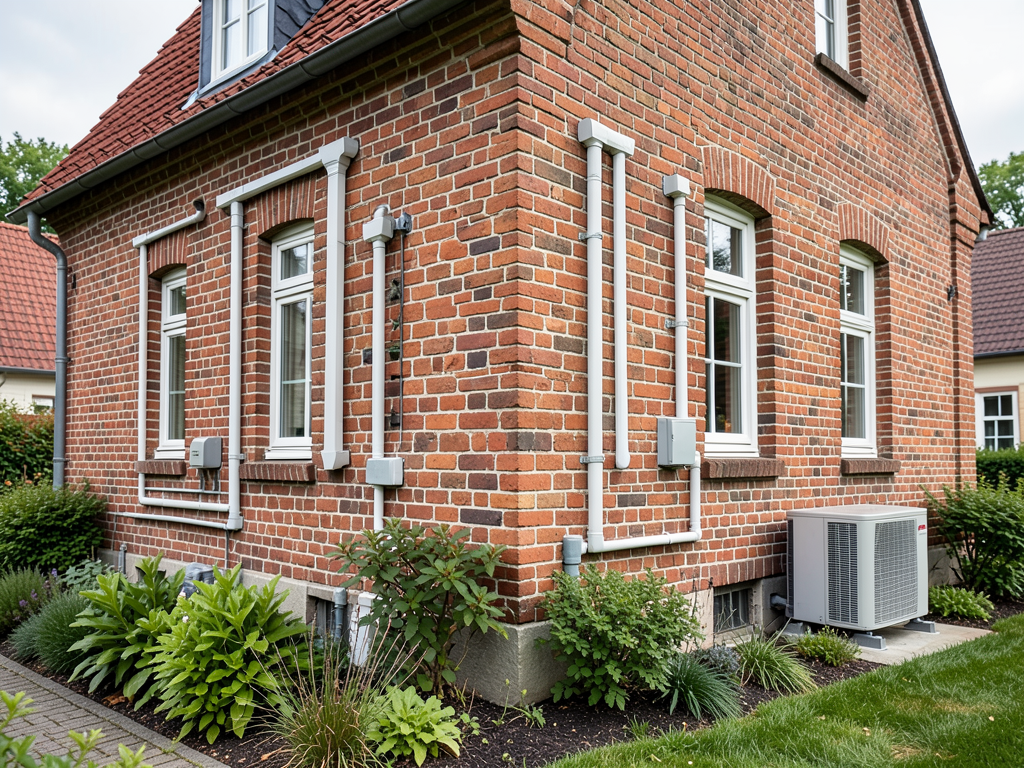
Diagram showing how brick wall thickness affects heat transfer in historic German Village homes
Why Ductless Mini-Splits are the Best Solution for Our Neighborhood
Ductless mini splits solve multiple problems simultaneously. These systems use small refrigerant lines that run through walls, requiring only a three-inch hole for installation. This minimal intrusion preserves the structural integrity of historic masonry.
Zone cooling capabilities allow precise temperature control in different rooms. German Village homes often have varying cooling needs throughout the day. Living areas may need cooling while bedrooms remain unused. Mini splits let you cool only the spaces you’re using.
Modern mini split systems achieve SEER2 ratings up to 25, providing exceptional energy efficiency. This translates to lower utility bills while maintaining comfortable temperatures even during Columbus’s hottest days. The inverter technology adjusts compressor speed to match cooling demand, eliminating the energy waste of traditional cycling.
Whisper-quiet operation makes these systems ideal for German Village’s dense residential setting. Outdoor units operate at sound levels comparable to a quiet conversation, ensuring peaceful enjoyment of your historic home and surrounding neighborhood.
The compact indoor units mount high on walls or ceilings, preserving valuable floor space in smaller historic rooms. Their sleek design complements rather than competes with historic interiors. Many homeowners report the units become nearly invisible once installed.
Heat pump functionality provides year-round comfort. Columbus winters can be harsh, with temperatures dropping below zero. Mini splits offer efficient heating without the need for separate furnace installation, making them perfect for homes lacking existing ductwork. EPA Section 608 Certification.
Navigating German Village Commission & Historic Guidelines
German Village Commission approval requires careful planning. Line sets and outdoor units must be positioned to minimize visual impact. We work with property owners to identify locations that meet both technical requirements and historic preservation standards.
Exterior line sets can be concealed using paintable conduit that matches your home’s exterior. This approach satisfies Commission requirements while protecting the refrigerant lines from weather damage. The conduit becomes nearly invisible when properly color-matched to brick or siding.
Ohio building codes require permits for all HVAC installations. Franklin County residential permits ensure proper installation and safety compliance. Our technicians handle all permitting requirements, including coordination with German Village Commission review processes.
National Electrical Code Article 440 governs mini split electrical connections. Proper grounding and circuit protection prevent electrical hazards. We install dedicated circuits with appropriate overcurrent protection for each system.
EPA Section 608 certification ensures proper refrigerant handling. Our technicians are certified to handle HFC refrigerants used in modern mini split systems. This certification prevents refrigerant leaks that could harm the environment.
Historic preservation guidelines often require documentation of proposed changes. We provide detailed installation plans showing equipment locations, line routing, and exterior impact assessments. This documentation helps streamline Commission approval processes.
Working with experienced local contractors familiar with German Village requirements proves essential. We understand the specific challenges of retrofitting modern systems into historic structures while maintaining compliance with all regulations.
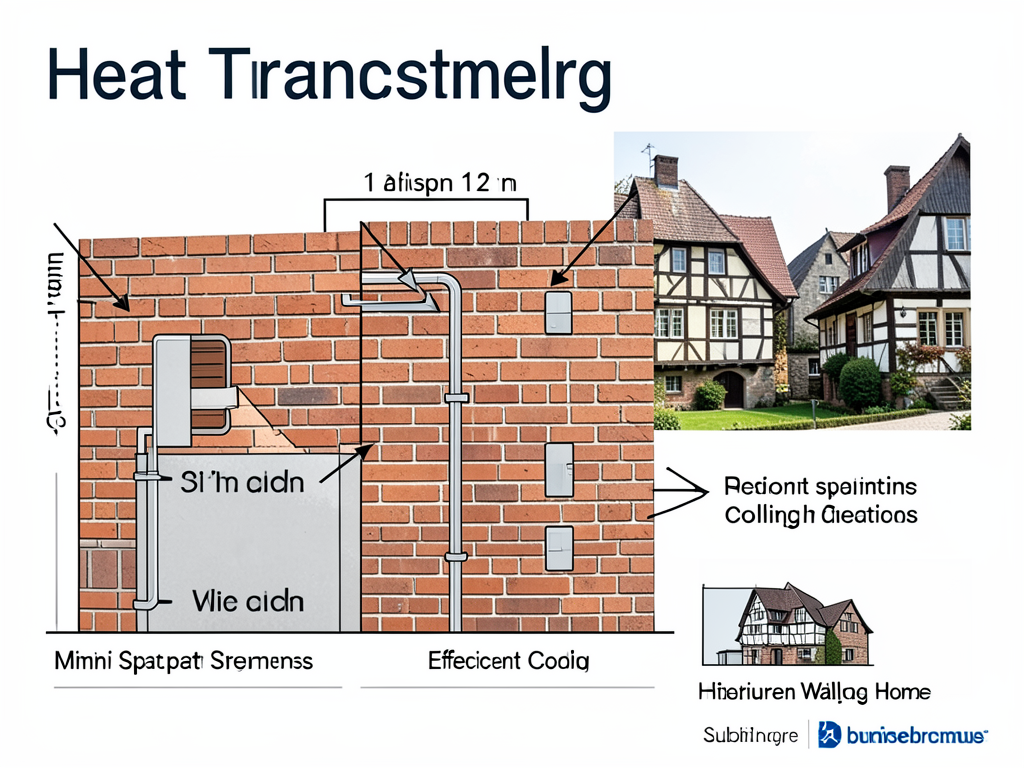
Photo showing concealed line sets painted to match historic brick exterior
Our Installation Process: From Schiller Park to High Street
Every German Village installation begins with a comprehensive home assessment. We evaluate your home’s construction, cooling needs, and historic features. This assessment identifies the optimal locations for indoor and outdoor units while respecting architectural constraints.
Load calculation determines the proper system size. We use Manual J calculations to ensure your mini split provides adequate cooling without wasting energy. Oversized systems short cycle, reducing efficiency and comfort. Undersized systems struggle to maintain temperatures during peak heat.. Read more about Choosing the Right Sized Air Conditioner for Your Home in Powell.
Indoor unit placement maximizes cooling effectiveness while preserving room aesthetics. High wall mounting positions units where cool air naturally falls, improving circulation. Ceiling cassette options provide completely concealed installation for rooms where wall mounting isn’t ideal.
Outdoor unit selection considers both performance and visual impact. Modern condensers offer high efficiency in compact footprints. We position units where they remain hidden from street view while maintaining proper airflow for optimal operation.
Refrigerant line routing follows the path of least resistance through your home’s structure. We identify existing chases, wall cavities, and other pathways that minimize new penetrations. Where new paths are necessary, we use techniques that preserve structural integrity.
Electrical installation includes dedicated circuits with proper grounding. We coordinate with licensed electricians to ensure all connections meet National Electrical Code requirements. Proper surge protection safeguards your investment against Columbus’s occasional electrical storms.
Commission approval typically takes 2-3 weeks once complete applications are submitted. We handle all documentation and follow-up communications. Our experience with German Village processes helps avoid common delays and ensures smooth approvals.
Installation timeline varies by home complexity but typically requires 1-2 days. Most projects complete without requiring temporary relocation. We protect your home’s historic features throughout the installation process using specialized equipment and techniques.
System commissioning includes thorough testing of all components. We verify proper refrigerant charge, airflow, and temperature control operation. Our technicians explain system operation and provide maintenance guidance to ensure long-term performance.
Ductless Mini Split FAQ for Columbus Homeowners
How much do ductless mini splits cost in German Village?
Installation costs vary based on home size and system complexity. A typical single-zone system starts around $3,500-$4,500, while whole-home multi-zone installations range from $8,000-$15,000. These investments often pay for themselves through energy savings within 3-5 years.
What’s the lifespan of a ductless mini split system?
Quality mini split systems typically last 15-20 years with proper maintenance. Regular filter cleaning and annual professional service extend system life. Many manufacturers offer 10-year warranties on major components when installed by certified contractors.
Can I install a mini split myself to save money?
DIY installation is strongly discouraged. Mini splits require specialized tools, refrigerant handling certification, and electrical expertise. Improper installation can void warranties, create safety hazards, and result in poor performance. Professional installation ensures optimal efficiency and protects your investment.
Are there tax credits available for mini split installations?
Yes, the Inflation Reduction Act provides tax credits for qualifying high-efficiency HVAC systems. Mini splits meeting SEER2 requirements may qualify for up to $2,000 in federal tax credits. AEP Ohio also offers rebates for energy-efficient cooling systems. We help customers navigate available incentives.
How noisy are ductless mini splits?
Indoor units operate at 19-30 decibels, quieter than a whisper. Outdoor units typically produce 50-60 decibels at one foot distance. This quiet operation makes mini splits ideal for German Village’s residential character. You can comfortably carry on conversations while systems run.
Will a mini split work during power outages?
Standard mini splits require electricity to operate. However, many homeowners pair their systems with whole-home generators or battery backup systems. This combination ensures cooling during Columbus’s occasional summer power outages when temperatures can become dangerous.
How do mini splits compare to window units?
Window units typically achieve SEER ratings of 10-12, while modern mini splits reach SEER2 ratings of 20-25. Mini splits provide better cooling, improved efficiency, quieter operation, and preserve your home’s historic character. They also offer heating capabilities that window units lack.
What maintenance do mini splits require?
Monthly filter cleaning ensures optimal performance. Annual professional maintenance includes checking refrigerant levels, cleaning coils, and verifying electrical connections. These simple steps maintain efficiency and prevent costly repairs. Most maintenance tasks homeowners can handle themselves.
Can mini splits cool multiple rooms effectively?
Yes, multi-zone systems use a single outdoor unit to serve multiple indoor units. Each zone operates independently with its own thermostat. This setup provides customized comfort throughout your home while maintaining energy efficiency by cooling only occupied spaces.
How quickly can I get a mini split installed?
Installation timing depends on permit approval and our current schedule. Most German Village projects complete within 4-6 weeks from initial consultation to final commissioning. We prioritize historic district projects and work efficiently to minimize disruption to your home.
Before and after photo showing historic German Village home with concealed mini split installation
Energy Efficiency and Cost Savings
Columbus homeowners typically see 30-40% energy savings compared to window units or inefficient central systems. The high SEER2 ratings of modern mini splits directly translate to lower monthly utility bills during Ohio’s long cooling season.
Zone control eliminates the waste of cooling unused rooms. German Village homes often have formal living spaces and dining rooms used only occasionally. Mini splits let you direct cooling where needed, reducing overall energy consumption.
Variable speed compressors maintain consistent temperatures without the energy spikes of traditional cycling. This steady operation reduces wear on components while providing superior comfort. The technology particularly benefits historic homes where temperature swings can stress old plaster and woodwork.
Columbus’s humid climate makes dehumidification a critical cooling function. Mini splits remove moisture more effectively than window units, improving comfort while preventing mold growth in historic structures. Many systems offer dedicated dehumidification modes for especially humid days.
AEP Ohio’s energy efficiency programs provide additional savings opportunities. Rebates for high-efficiency cooling equipment can offset 10-15% of installation costs. We help customers identify and apply for all available incentives, maximizing your return on investment.
Long-term cost analysis shows mini splits typically pay for themselves within 5-7 years through energy savings alone. When factoring in improved comfort, preserved historic character, and increased home value, the investment becomes even more attractive for German Village homeowners.
Choosing the Right System for Your Home
System sizing requires careful calculation of your home’s specific characteristics. German Village’s varied architecture means no two homes have identical cooling needs. Factors including brick wall thickness, window orientation, and existing insulation all influence proper system sizing.
Single-zone systems work well for smaller homes or when cooling specific problem areas. A bedroom or home office that becomes uncomfortably warm can often be served by a single indoor unit connected to an appropriately sized outdoor condenser.
Multi-zone systems provide whole-home comfort through multiple indoor units served by one outdoor condenser. This configuration offers the most flexibility for larger German Village homes, allowing customized temperature control in different rooms or zones.
Floor-mounted units provide an alternative when wall or ceiling mounting isn’t possible. These units install at floor level and work well in rooms with limited wall space or ceiling height restrictions common in historic homes.
Ceiling cassette units mount completely flush with the ceiling, becoming nearly invisible. This option works well in rooms where maintaining original wall and floor aesthetics is paramount. The trade-off includes slightly reduced airflow compared to wall-mounted units.
Brand selection impacts both performance and reliability. We recommend Mitsubishi Electric, Daikin, and Fujitsu for German Village applications. These manufacturers offer models specifically designed for retrofit applications in historic homes, with features like reduced noise levels and enhanced filtration.
Why Choose Local Experience
German Village’s unique requirements demand specialized knowledge. Our team understands the neighborhood’s architectural character, Commission requirements, and the specific challenges of cooling historic brick homes. This local expertise ensures successful installations that preserve your home’s character.
We’ve completed dozens of installations throughout German Village, from Livingston Avenue to Third Street. This experience helps us anticipate challenges and develop solutions that work within the neighborhood’s constraints. We know which approaches gain Commission approval and which ones don’t.
Our relationships with local suppliers ensure access to the latest equipment and technology. We can often source specialized components that make installations in historic homes more successful. Quick access to parts also means faster service if any issues arise.
Emergency service capabilities provide peace of mind. Ohio summers can be brutal, and system failures require immediate attention. Our local presence means we can respond quickly to service calls throughout German Village and surrounding areas.
Community involvement demonstrates our commitment to German Village’s preservation. We participate in neighborhood events, support local preservation efforts, and maintain relationships with other service providers who share our commitment to maintaining the area’s historic character.
Call (380) 253-3188 today to schedule your German Village home assessment. Our experienced technicians will evaluate your cooling needs and provide detailed recommendations for bringing modern comfort to your historic home while preserving its architectural integrity.
Don’t wait until summer heat makes your home unbearable. Contact us now to explore how ductless mini splits can transform your German Village living experience. Our team is ready to help you enjoy cool, comfortable summers while maintaining the historic charm that makes German Village special.
Frequently Asked Questions
Will a mini split damage my historic plaster walls?
Professional installation minimizes wall impact. We use specialized tools and techniques to create clean, small penetrations that can be easily repaired. Our experience with historic homes means we understand how to protect delicate plaster and woodwork during installation.
How do I maintain proper humidity levels with a mini split?
Mini splits excel at humidity control. Most systems automatically adjust to remove excess moisture while cooling. For particularly humid conditions, many models offer dedicated dehumidification modes that maintain comfortable humidity levels without overcooling your home.
Can I control my mini split with my smartphone?
Many modern mini split systems offer Wi-Fi connectivity and smartphone control. This feature lets you adjust temperatures, set schedules, and monitor system performance from anywhere. Smart controls can help maximize energy savings by ensuring you’re not cooling empty homes.
What happens if my mini split needs repairs?
Our local service team provides prompt repairs when needed. We stock common parts and have relationships with distributors for quick access to specialized components. Most repairs complete within 24-48 hours, and our technicians are trained on all major mini split brands.
Will a mini split increase my home’s value?
Yes, energy-efficient HVAC systems typically increase home value. Mini splits offer particular appeal in historic districts where traditional systems aren’t feasible. The combination of improved comfort, lower utility bills, and preserved historic character makes mini splits an attractive feature for potential buyers.
You may also find this helpful. The Best Ways to Heat Your Detached Garage or Workshop in Pataskala.
{
“@context”: “https://schema.org”,
“@type”: “BlogPosting”,
“headline”: “Cooling Your Historic German Village Home with Ductless Mini Splits”,
“description”: “Learn how ductless mini splits solve cooling challenges in German Village’s historic brick homes. Discover zone control, energy efficiency, and navigating preservation guidelines.”,
“wordCount”: 2530,
“datePublished”: “2026-02-15T09:49:00.000Z”,
“dateModified”: “2026-02-15T09:49:00.000Z”,
“inLanguage”: “en-US”,
“mainEntityOfPage”: {
“@type”: “WebPage”,
“@id”: “https://grandhvaccolumbus.com”
},
“publisher”: {
“@type”: “LocalBusiness”,
“name”: “Grand HVAC Columbus”,
“url”: “https://grandhvaccolumbus.com”
},
“author”: {
“@type”: “Organization”,
“name”: “Grand HVAC Columbus”,
“url”: “https://grandhvaccolumbus.com”
},
“image”: {
“@type”: “ImageObject”,
“url”: “https://grandhvaccolumbus.com/wp-content/uploads/2026/03/cooling-your-historic-german-village-home-with-duc-1.png”
}
}
{
“@context”: “https://schema.org”,
“@type”: “HVACBusiness”,
“name”: “Grand HVAC Columbus”,
“url”: “https://grandhvaccolumbus.com”,
“address”: {
“@type”: “PostalAddress”,
“addressLocality”: “Columbus”
},
“areaServed”: {
“@type”: “City”,
“name”: “Columbus”
}
}
{
“@context”: “https://schema.org”,
“@type”: “FAQPage”,
“mainEntity”: [
{
“@type”: “Question”,
“name”: “How much do ductless mini splits cost in German Village?”,
“acceptedAnswer”: {
“@type”: “Answer”,
“text”: “Installation costs vary based on home size and system complexity. A typical single-zone system starts around $3,500-$4,500, while whole-home multi-zone installations range from $8,000-$15,000. These investments often pay for themselves through energy savings within 3-5 years.”
}
},
{
“@type”: “Question”,
“name”: “What’s the lifespan of a ductless mini split system?”,
“acceptedAnswer”: {
“@type”: “Answer”,
“text”: “Quality mini split systems typically last 15-20 years with proper maintenance. Regular filter cleaning and annual professional service extend system life. Many manufacturers offer 10-year warranties on major components when installed by certified contractors.”
}
},
{
“@type”: “Question”,
“name”: “Can I install a mini split myself to save money?”,
“acceptedAnswer”: {
“@type”: “Answer”,
“text”: “DIY installation is strongly discouraged. Mini splits require specialized tools, refrigerant handling certification, and electrical expertise. Improper installation can void warranties, create safety hazards, and result in poor performance. Professional installation ensures optimal efficiency and protects your investment.”
}
},
{
“@type”: “Question”,
“name”: “Are there tax credits available for mini split installations?”,
“acceptedAnswer”: {
“@type”: “Answer”,
“text”: “Yes, the Inflation Reduction Act provides tax credits for qualifying high-efficiency HVAC systems. Mini splits meeting SEER2 requirements may qualify for up to $2,000 in federal tax credits. AEP Ohio also offers rebates for energy-efficient cooling systems. We help customers navigate available incentives.”
}
},
{
“@type”: “Question”,
“name”: “How noisy are ductless mini splits?”,
“acceptedAnswer”: {
“@type”: “Answer”,
“text”: “Indoor units operate at 19-30 decibels, quieter than a whisper. Outdoor units typically produce 50-60 decibels at one foot distance. This quiet operation makes mini splits ideal for German Village’s residential character. You can comfortably carry on conversations while systems run.”
}
},
{
“@type”: “Question”,
“name”: “Will a mini split work during power outages?”,
“acceptedAnswer”: {
“@type”: “Answer”,
“text”: “Standard mini splits require electricity to operate. However, many homeowners pair their systems with whole-home generators or battery backup systems. This combination ensures cooling during Columbus’s occasional summer power outages when temperatures can become dangerous.”
}
},
{
“@type”: “Question”,
“name”: “How do mini splits compare to window units?”,
“acceptedAnswer”: {
“@type”: “Answer”,
“text”: “Window units typically achieve SEER ratings of 10-12, while modern mini splits reach SEER2 ratings of 20-25. Mini splits provide better cooling, improved efficiency, quieter operation, and preserve your home’s historic character. They also offer heating capabilities that window units lack.”
}
},
{
“@type”: “Question”,
“name”: “What maintenance do mini splits require?”,
“acceptedAnswer”: {
“@type”: “Answer”,
“text”: “Monthly filter cleaning ensures optimal performance. Annual professional maintenance includes checking refrigerant levels, cleaning coils, and verifying electrical connections. These simple steps maintain efficiency and prevent costly repairs. Most maintenance tasks homeowners can handle themselves.”
}
},
{
“@type”: “Question”,
“name”: “Can mini splits cool multiple rooms effectively?”,
“acceptedAnswer”: {
“@type”: “Answer”,
“text”: “Yes, multi-zone systems use a single outdoor unit to serve multiple indoor units. Each zone operates independently with its own thermostat. This setup provides customized comfort throughout your home while maintaining energy efficiency by cooling only occupied spaces.”
}
},
{
“@type”: “Question”,
“name”: “How quickly can I get a mini split installed?”,
“acceptedAnswer”: {
“@type”: “Answer”,
“text”: “Installation timing depends on permit approval and our current schedule. Most German Village projects complete within 4-6 weeks from initial consultation to final commissioning. We prioritize historic district projects and work efficiently to minimize disruption to your home.”
}
},
{
“@type”: “Question”,
“name”: “Will a mini split damage my historic plaster walls?”,
“acceptedAnswer”: {
“@type”: “Answer”,
“text”: “Professional installation minimizes wall impact. We use specialized tools and techniques to create clean, small penetrations that can be easily repaired. Our experience with historic homes means we understand how to protect delicate plaster and woodwork during installation.”
}
},
{
“@type”: “Question”,
“name”: “How do I maintain proper humidity levels with a mini split?”,
“acceptedAnswer”: {
“@type”: “Answer”,
“text”: “Mini splits excel at humidity control. Most systems automatically adjust to remove excess moisture while cooling. For particularly humid conditions, many models offer dedicated dehumidification modes that maintain comfortable humidity levels without overcooling your home.”
}
},
{
“@type”: “Question”,
“name”: “Can I control my mini split with my smartphone?”,
“acceptedAnswer”: {
“@type”: “Answer”,
“text”: “Many modern mini split systems offer Wi-Fi connectivity and smartphone control. This feature lets you adjust temperatures, set schedules, and monitor system performance from anywhere. Smart controls can help maximize energy savings by ensuring you’re not cooling empty homes.”
}
},
{
“@type”: “Question”,
“name”: “What happens if my mini split needs repairs?”,
“acceptedAnswer”: {
“@type”: “Answer”,
“text”: “Our local service team provides prompt repairs when needed. We stock common parts and have relationships with distributors for quick access to specialized components. Most repairs complete within 24-48 hours, and our technicians are trained on all major mini split brands.”
}
},
{
“@type”: “Question”,
“name”: “Will a mini split increase my home’s value?”,
“acceptedAnswer”: {
“@type”: “Answer”,
“text”: “Yes, energy-efficient HVAC systems typically increase home value. Mini splits offer particular appeal in historic districts where traditional systems aren’t feasible. The combination of improved comfort, lower utility bills, and preserved historic character makes mini splits an attractive feature for potential buyers.”
}
}
]
}
{
“@context”: “https://schema.org”,
“@type”: “BreadcrumbList”,
“itemListElement”: [
{
“@type”: “ListItem”,
“position”: 1,
“name”: “Home”,
“item”: “https://grandhvaccolumbus.com”
},
{
“@type”: “ListItem”,
“position”: 2,
“name”: “Blog”,
“item”: “https://grandhvaccolumbus.com/blog”
},
{
“@type”: “ListItem”,
“position”: 3,
“name”: “Cooling Your Historic German Village Home with Ductless Mini Splits”
}
]
}
{
“@context”: “https://schema.org”,
“@type”: “Service”,
“serviceType”: “HVAC”,
“provider”: {
“@type”: “LocalBusiness”,
“name”: “Grand HVAC Columbus”,
“url”: “https://grandhvaccolumbus.com”
},
“areaServed”: {
“@type”: “City”,
“name”: “Columbus”
},
“description”: “Learn how ductless mini splits solve cooling challenges in German Village’s historic brick homes. Discover zone control, energy efficiency, and navigating preservation guidelines.”
}