
The Best Ways to Heat Your Detached Garage or Workshop in Pataskala
Ohio winters in Pataskala can drop well below freezing, turning your detached garage or workshop into an unusable space. Whether you’re protecting vehicles, keeping tools from freezing, or creating a year-round hobby area, choosing the right heating system matters. This guide breaks down the most effective garage heating options for Licking County’s climate, explains sizing requirements, and walks you through the installation process that meets local codes. The Honest Guide to Replacing Your Upper Arlington Furnace This Winter.
Why Heat Your Pataskala Garage?
A heated garage in Pataskala solves more than comfort problems. Temperatures routinely fall into the teens during winter months, which can damage vehicle batteries, freeze plumbing lines in adjacent mudrooms, and make adhesives and paints unusable in workshops. For hobbyists and contractors, a heated space means uninterrupted productivity regardless of outdoor conditions. Plus, proper heating prevents condensation that leads to rust on tools and equipment.. Read more about How to Choose the Best Heating System for Your New Home Addition in Lewis Center.
Types of Garage Heaters We Install
Selecting the right heater depends on your space size, insulation level, and how you use the area. Here are the three most reliable options for Pataskala garages:
| Heater Type | Best For | Average BTU Range | Fuel Source |
|---|---|---|---|
| Forced-Air Unit Heater | Quick heating, large spaces | 30,000-75,000 BTU | Natural Gas / Propane |
| Infrared Radiant Tube | Spot heating, workshops | 20,000-50,000 BTU | Natural Gas / Propane |
| Ductless Mini-Split | Year-round use, efficiency | 9,000-24,000 BTU | Electric |
Forced-Air Unit Heaters
These ceiling-mounted units blow warm air throughout the space quickly. They work well for two to three-car garages where you need uniform heating. In Pataskala, natural gas availability through Columbia Gas of Ohio makes these cost-effective to operate. The units require proper venting through the roof or sidewall and must meet Ohio Mechanical Code venting requirements. Columbia Gas of Ohio.
Infrared Radiant Heating
Radiant tubes heat objects and people directly rather than warming the air. This creates comfortable working conditions without drafts and works exceptionally well for woodworking shops or areas with sensitive materials. The infrared heat feels similar to sunlight and maintains consistent temperatures even with garage doors opening frequently.
Ductless Mini-Split Systems
Modern heat pumps provide both heating and cooling, making them ideal for year-round workshop use. While initial costs are higher, they operate at 300% efficiency compared to electric resistance heaters. For Pataskala’s climate, look for models rated for Ohio’s temperature extremes with backup electric heat strips for the coldest nights.
Sizing Your Heater for Licking County Winters
Proper sizing prevents both under-heating and wasted energy. For Pataskala’s climate, use these BTU guidelines as starting points, then adjust for insulation quality: Improving the Air Quality in Your Older Clintonville Home.
| Garage Size | Insulation Level | Required BTU |
|---|---|---|
| 1-car (250 sq ft) | Poor | 15,000-20,000 |
| 2-car (500 sq ft) | Average | 30,000-40,000 |
| 3-car (750 sq ft) | Good | 45,000-60,000 |
Pataskala’s average January low of 20°F means you need heaters capable of maintaining 55-65°F when outdoor temperatures drop below zero. Add 10-15% capacity if your garage has large windows or uninsulated overhead doors.
The Installation Process & Local Permits
Installing garage heating in Pataskala requires following Licking County building codes and obtaining proper permits. Here’s what the process involves:
- Site Assessment
Our technicians measure your space, evaluate insulation, and check existing electrical and gas service capacity. We also verify local zoning requirements for exterior venting.
- Permit Acquisition
We pull permits through the Licking County Building Department, ensuring compliance with Ohio Mechanical Code Section 1301.
- Gas Line Installation
If using natural gas, we extend lines from your home meter to the garage, following Columbia Gas safety standards and pressure testing requirements.
- Unit Mounting and Venting
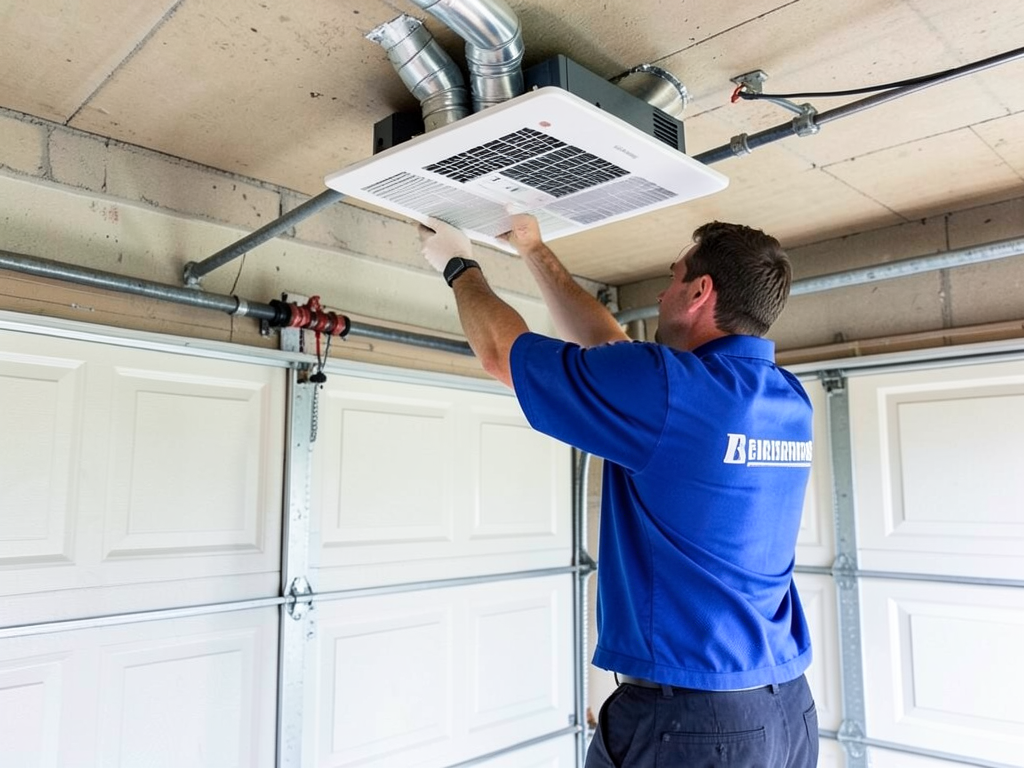
Units mount to ceiling joists with proper seismic bracing. Vent pipes extend through roof or wall with flashing to prevent leaks.
- Electrical Connections
We install dedicated circuits with proper disconnects and grounding per NEC Article 424 for fixed space heating equipment.
- Testing and Commissioning
We verify proper operation, check for gas leaks, and calibrate thermostats for your specific space.
Most installations in Pataskala complete within one to two days after permit approval. We coordinate inspections with the county to ensure everything passes final code review.
Energy Efficiency and Operating Costs
Operating costs vary significantly based on your heater type and Pataskala’s utility rates. Here’s a comparison of typical monthly costs for a 500-square-foot garage:
| Heater Type | Efficiency Rating | Monthly Cost (est.) | Best Use Case |
|---|---|---|---|
| Gas Unit Heater | 82-85% AFUE | $45-65 | Daily use, large spaces |
| Propane Unit Heater | 80-83% AFUE | $55-75 | No gas line available |
| Electric Radiant | 95-100% | $80-120 | Spot heating only |
| Ductless Mini-Split | HSPF 10+ | $35-50 | Year-round use |
Gas prices through Columbia Gas of Ohio typically make natural gas the most economical choice for heavy use. However, if your garage lacks gas service, a ductless mini-split often provides the best long-term value through high efficiency and dual heating/cooling capability. Ductless Mini-Split Systems.
Common Installation Mistakes to Avoid
Many DIY attempts or improper installations lead to safety hazards and poor performance. Watch out for these issues:
- Undersized Units – Heating systems that can’t maintain temperature during Pataskala’s coldest nights
- Improper Venting – Vent pipes that allow carbon monoxide backdraft into living spaces
- Insufficient Clearance – Units mounted too close to flammable materials or storage items
- Poor Electrical Work – Overloaded circuits or missing GFCI protection in damp areas
- Missing Permits – Unpermitted work that fails inspection and creates liability issues
Professional installation ensures your system meets all safety standards and operates efficiently for years to come.
Why Grand HVAC is Pataskala’s Trusted Heating Expert
Grand HVAC has served Pataskala and surrounding Licking County communities for over 15 years. Our NATE-certified technicians understand the specific challenges of heating detached structures in Ohio’s climate. We’re familiar with local building patterns, from the Broadview Estates area to newer developments near Watkins Road.
We provide 24/7 emergency service because heating failures don’t wait for business hours. Our team carries common parts on service vehicles to complete most repairs the same day. Plus, we stand behind our work with comprehensive warranties on both equipment and labor. Where to Find 24 Hour Emergency HVAC Help Anywhere in Columbus.
For Pataskala residents, we offer free in-home consultations to assess your specific needs and provide accurate quotes before any work begins. We’ll explain all your options without pressure and help you choose the best solution for your budget and usage patterns. Why Your Westerville AC Needs a Tune Up Before the Humidity Hits.
Call (380) 253-3188 today to schedule your free garage heating consultation. Don’t wait until the next cold snap leaves your workshop unusable.
Frequently Asked Questions
How long does garage heater installation take?
Most installations in Pataskala complete within one to two days after permits are approved. The actual installation time is typically 4-8 hours depending on complexity.
Do I need a permit to install a garage heater?
Yes. Licking County requires permits for all gas-fired and electric heating equipment installations. We handle the entire permitting process as part of our service.
Can I install a heater myself?
While DIY installation is possible, it’s not recommended. Improper installation can create carbon monoxide hazards, void warranties, and fail inspection. Professional installation ensures safety and code compliance.
What’s the most cost-effective heater for occasional use?
For occasional use, a portable electric heater or a small infrared unit provides the best value. These have lower upfront costs and don’t require permits or gas line installation.
How do I maintain my garage heater?
Annual maintenance includes cleaning or replacing filters, checking gas connections, testing safety controls, and verifying proper venting. We offer maintenance plans to keep your system running efficiently year after year. For more information, visit International Code Council.
You may also find this helpful. Stopping Dry Air and Static in Pickerington with a Whole Home Humidifier.
You may also find this helpful. How High Velocity HVAC Systems Work for Tight Spaces in the Discovery District.
You may also find this helpful. Preparing Your Whitehall Home for the First Freeze of the Season.
{
“@context”: “https://schema.org”,
“@type”: “BlogPosting”,
“headline”: “The Best Ways to Heat Your Detached Garage or Workshop in Pataskala”,
“description”: “Expert garage heating solutions for Pataskala winters. Compare forced-air, radiant, and mini-split options with local installation & permit guidance from Grand HVAC.”,
“wordCount”: 1275,
“datePublished”: “2026-03-08T13:01:00.000Z”,
“dateModified”: “2026-03-08T13:01:00.000Z”,
“inLanguage”: “en-US”,
“mainEntityOfPage”: {
“@type”: “WebPage”,
“@id”: “https://grandhvaccolumbus.com”
},
“publisher”: {
“@type”: “LocalBusiness”,
“name”: “Grand HVAC Columbus”,
“url”: “https://grandhvaccolumbus.com”
},
“author”: {
“@type”: “Organization”,
“name”: “Grand HVAC Columbus”,
“url”: “https://grandhvaccolumbus.com”
},
“image”: {
“@type”: “ImageObject”,
“url”: “https://grandhvaccolumbus.com/wp-content/uploads/2026/03/the-best-ways-to-heat-your-detached-garage-or-work-1.png”
}
}
{
“@context”: “https://schema.org”,
“@type”: “HVACBusiness”,
“name”: “Grand HVAC Columbus”,
“url”: “https://grandhvaccolumbus.com”,
“address”: {
“@type”: “PostalAddress”,
“addressLocality”: “Columbus”
},
“areaServed”: {
“@type”: “City”,
“name”: “Columbus”
}
}
{
“@context”: “https://schema.org”,
“@type”: “FAQPage”,
“mainEntity”: [
{
“@type”: “Question”,
“name”: “Why Heat Your Pataskala Garage?”,
“acceptedAnswer”: {
“@type”: “Answer”,
“text”: “A heated garage in Pataskala solves more than comfort problems. Temperatures routinely fall into the teens during winter months, which can damage vehicle batteries, freeze plumbing lines in adjacent mudrooms, and make adhesives and paints unusable in workshops. For hobbyists and contractors, a heated space means uninterrupted productivity regardless of outdoor conditions. Plus, proper heating prevents condensation that leads to rust on tools and equipment.”
}
},
{
“@type”: “Question”,
“name”: “How long does garage heater installation take?”,
“acceptedAnswer”: {
“@type”: “Answer”,
“text”: “Most installations in Pataskala complete within one to two days after permits are approved. The actual installation time is typically 4-8 hours depending on complexity.”
}
},
{
“@type”: “Question”,
“name”: “Do I need a permit to install a garage heater?”,
“acceptedAnswer”: {
“@type”: “Answer”,
“text”: “Yes. Licking County requires permits for all gas-fired and electric heating equipment installations. We handle the entire permitting process as part of our service.”
}
},
{
“@type”: “Question”,
“name”: “Can I install a heater myself?”,
“acceptedAnswer”: {
“@type”: “Answer”,
“text”: “While DIY installation is possible, it’s not recommended. Improper installation can create carbon monoxide hazards, void warranties, and fail inspection. Professional installation ensures safety and code compliance.”
}
},
{
“@type”: “Question”,
“name”: “What’s the most cost-effective heater for occasional use?”,
“acceptedAnswer”: {
“@type”: “Answer”,
“text”: “For occasional use, a portable electric heater or a small infrared unit provides the best value. These have lower upfront costs and don’t require permits or gas line installation.”
}
},
{
“@type”: “Question”,
“name”: “How do I maintain my garage heater?”,
“acceptedAnswer”: {
“@type”: “Answer”,
“text”: “Annual maintenance includes cleaning or replacing filters, checking gas connections, testing safety controls, and verifying proper venting. We offer maintenance plans to keep your system running efficiently year after year. For more information, visit International Code Council.”
}
}
]
}
{
“@context”: “https://schema.org”,
“@type”: “HowTo”,
“name”: “Garage Heater Installation Process”,
“step”: [
{
“@type”: “HowToStep”,
“position”: 1,
“name”: “Site Assessment”,
“text”: “Our technicians measure your space, evaluate insulation, and check existing electrical and gas service capacity. We also verify local zoning requirements for exterior venting.”
},
{
“@type”: “HowToStep”,
“position”: 2,
“name”: “Permit Acquisition”,
“text”: “We pull permits through the Licking County Building Department, ensuring compliance with Ohio Mechanical Code Section 1301.”
},
{
“@type”: “HowToStep”,
“position”: 3,
“name”: “Gas Line Installation”,
“text”: “If using natural gas, we extend lines from your home meter to the garage, following Columbia Gas safety standards and pressure testing requirements.”
},
{
“@type”: “HowToStep”,
“position”: 4,
“name”: “Unit Mounting and Venting”,
“text”: “Units mount to ceiling joists with proper seismic bracing. Vent pipes extend through roof or wall with flashing to prevent leaks.”
},
{
“@type”: “HowToStep”,
“position”: 5,
“name”: “Electrical Connections”,
“text”: “We install dedicated circuits with proper disconnects and grounding per NEC Article 424 for fixed space heating equipment.”
},
{
“@type”: “HowToStep”,
“position”: 6,
“name”: “Testing and Commissioning”,
“text”: “We verify proper operation, check for gas leaks, and calibrate thermostats for your specific space.”
}
],
“image”: “https://grandhvaccolumbus.com/wp-content/uploads/2026/03/the-best-ways-to-heat-your-detached-garage-or-work-1.png”
}
{
“@context”: “https://schema.org”,
“@type”: “BreadcrumbList”,
“itemListElement”: [
{
“@type”: “ListItem”,
“position”: 1,
“name”: “Home”,
“item”: “https://grandhvaccolumbus.com”
},
{
“@type”: “ListItem”,
“position”: 2,
“name”: “Blog”,
“item”: “https://grandhvaccolumbus.com/blog”
},
{
“@type”: “ListItem”,
“position”: 3,
“name”: “The Best Ways to Heat Your Detached Garage or Workshop in Pataskala”
}
]
}
{
“@context”: “https://schema.org”,
“@type”: “Service”,
“serviceType”: “HVAC”,
“provider”: {
“@type”: “LocalBusiness”,
“name”: “Grand HVAC Columbus”,
“url”: “https://grandhvaccolumbus.com”
},
“areaServed”: {
“@type”: “City”,
“name”: “Columbus”
},
“description”: “Expert garage heating solutions for Pataskala winters. Compare forced-air, radiant, and mini-split options with local installation & permit guidance from Grand HVAC.”
}