Managing Humidity and Mold Risks for Buckeye Lake Vacation Rentals
If your Buckeye Lake vacation rental feels damp or smells musty, you are not alone. The unique lakefront environment creates humidity challenges that can damage your property and drive away guests. Understanding the science behind lakefront moisture and taking the right steps can protect your investment and keep your rental profitable year-round.
Why Buckeye Lake Properties Face Unique Humidity Challenges
Buckeye Lake’s shoreline creates a microclimate that traps moisture. Water constantly evaporates from the lake surface, especially during warm Ohio summers. This moisture-laden air flows directly into nearby homes through open windows, doors, and even tiny gaps in the building envelope.
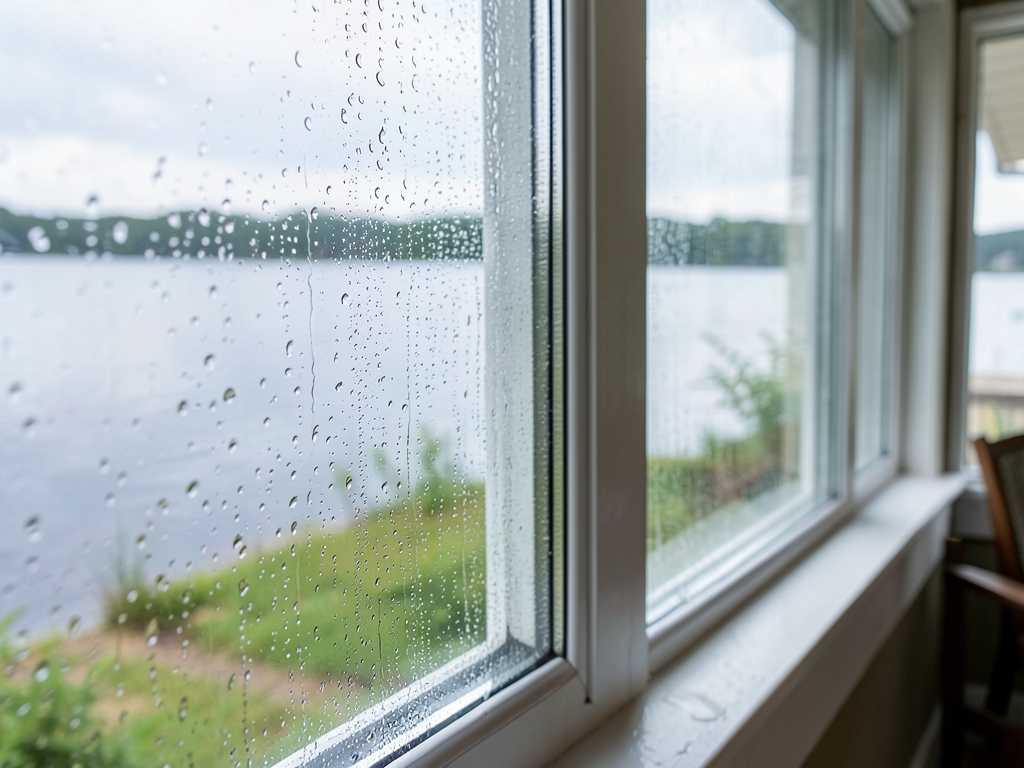
The science is simple. Warm air holds more water vapor than cool air. When that warm, humid lake air enters your cooler home, the moisture condenses on walls, windows, and other surfaces. This creates the perfect breeding ground for mold and mildew.
Ohio’s seasonal changes make the problem worse. Spring brings heavy rains and rapid temperature swings. Summer delivers high humidity and thunderstorms. Fall introduces damp leaves and cooler nights. Winter adds frozen pipes and ice damming. Each season brings new moisture challenges to your lakefront property.
Many Buckeye Lake homes were built decades ago when building codes did not address modern humidity control needs. Older construction often lacks proper vapor barriers, adequate insulation, and moisture-resistant materials. This makes these properties especially vulnerable to humidity damage. Why Your Westerville AC Needs a Tune Up Before the Humidity Hits.
The Hidden Costs of Uncontrolled Humidity
High humidity does more than create discomfort. It causes expensive structural damage that many property owners do not notice until it is too late.
Wood components in your home absorb moisture and swell. Doors stick, floors buckle, and trim pieces warp. Over time, this moisture causes wood rot that weakens structural members. Drywall becomes soft and crumbles. Paint blisters and peels. Wallpaper separates from walls. EPA Mold Resources.
Metal components also suffer. Screws rust, electrical connections corrode, and HVAC components fail prematurely. The constant moisture exposure shortens the lifespan of expensive systems and appliances.
Perhaps most concerning is the health impact. Mold and mildew release spores that trigger allergies and respiratory problems. Dust mites thrive in humid environments. These microscopic pests multiply rapidly when relative humidity exceeds 60 percent.
Your HVAC system works harder in humid conditions. The air conditioner must remove both heat and moisture to cool your home effectively. This extra work increases energy bills and accelerates equipment wear. Many Buckeye Lake homeowners find their AC units running constantly during summer months without ever feeling comfortable.
Professional Solutions for Lakefront Humidity Control
Portable dehumidifiers might seem like an easy fix, but they cannot handle the moisture load in a typical lakefront home. A standard 70-pint portable unit removes about 9 gallons of water per day. However, a 2,000-square-foot lakefront home can produce 15-20 gallons of moisture daily from normal activities plus the external lake effect.
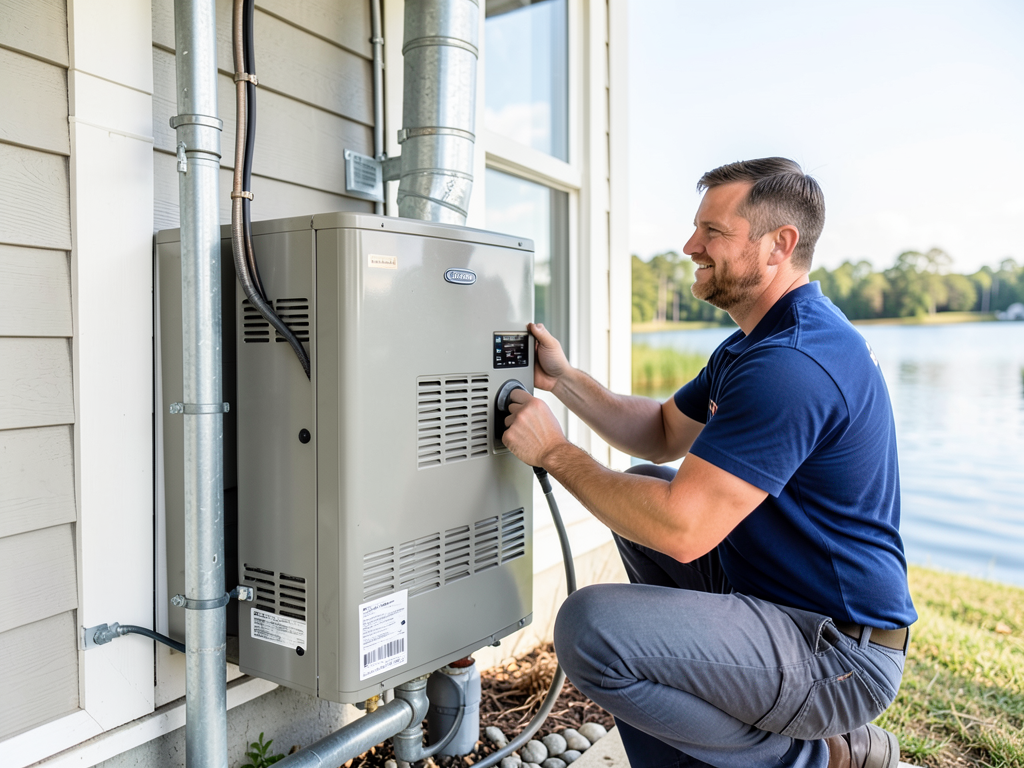
Whole-home dehumidification systems offer the power needed for lakefront properties. These systems integrate with your existing HVAC equipment to remove moisture throughout the entire home. A properly sized whole-home unit can remove 90-135 pints of water per day, handling even the most challenging lakefront conditions.. Read more about Why Your Galloway Home Needs a Whole House HEPA Filter for Allergy Season.
Modern systems use energy-efficient refrigeration technology to condense moisture from the air. The collected water drains automatically through a dedicated line. Many units include washable filters that trap dust and allergens while removing moisture.
Smart thermostats with humidity sensors provide another layer of control. These devices monitor both temperature and humidity levels. When humidity rises above your set point, the system activates to remove moisture. This prevents the uncomfortable clammy feeling that often plagues lakefront homes. Upgrading to a Smart Thermostat in Grandview Heights to Lower Your Electric Bill.
For properties with crawl spaces, encapsulation is critical. Buckeye Lake’s high water table means many homes have damp crawl spaces that contribute to overall humidity. A sealed crawl space with proper vapor barriers and dehumidification can reduce whole-home humidity by 10-15 percent.
Seasonal Strategies for Ohio Lakefront Properties
Ohio’s dramatic seasonal changes require different humidity strategies throughout the year. Spring demands aggressive moisture control as melting snow and spring rains create peak humidity levels.
Summer requires continuous dehumidification. The combination of lake evaporation and outdoor humidity often pushes indoor levels above 70 percent. This is when whole-home systems prove their value by maintaining comfortable 45-55 percent humidity levels.
Fall brings its own challenges. Cooler nights cause condensation on windows and walls. Fallen leaves trap moisture against foundations. Many property owners forget about humidity control once summer ends, but fall often sees the highest mold growth rates.
Winter requires a different approach. Cold air holds less moisture, which can make indoor air feel extremely dry. However, poor insulation and air leaks can still allow moisture problems. Ice dams on roofs often indicate hidden attic moisture issues. Troubleshooting AC Issues.
Many successful lakefront property managers use smart thermostats with remote monitoring. These systems allow you to check humidity levels from anywhere. If a rental guest leaves windows open during a rainstorm or the AC fails during a heat wave, you receive instant alerts. Where to Find 24 Hour Emergency HVAC Help Anywhere in Columbus.
Buckeye Lake Specific Considerations
Buckeye Lake’s unique geography affects humidity patterns. The lake’s relatively shallow depth means water temperatures change rapidly with air temperature. This creates daily humidity fluctuations that can stress building materials.
Properties near the former canal system often face additional challenges. The historical infrastructure can create underground moisture paths that modern drainage cannot address. Many older homes in the Buckeye Lake area lack proper foundation waterproofing.
The lake’s recreational traffic also impacts humidity. Motorboats and jet skis create additional water spray that settles on nearby structures. This constant moisture exposure accelerates wear on exterior finishes and can lead to hidden moisture intrusion.
Local building codes in Fairfield County require specific moisture control measures for lakefront properties. The Ohio Building Code Section 1203.3 mandates proper vapor barriers in climate zones 4-7, which includes most of Central Ohio. Properties built before 2001 may not meet these current standards.
Many successful lakefront property owners schedule annual HVAC inspections specifically focused on humidity control. These inspections check for condensation issues, proper drainage, and system efficiency. Catching problems early prevents the expensive repairs that come from years of uncontrolled moisture.
Cost-Benefit Analysis of Professional Humidity Control
Investing in proper humidity control pays for itself through multiple savings channels. Energy costs typically drop 15-25 percent when your AC does not have to work as hard to remove moisture. This alone can save $300-500 annually on a typical lakefront home.
Preventing mold damage saves thousands in remediation costs. Professional mold removal for a single room often costs $2,000-5,000. Whole-home remediation can exceed $10,000. Insurance may not cover mold damage if it results from long-term moisture problems.
Protecting your rental income stream provides the biggest financial benefit. Negative reviews about musty smells or dampness can reduce bookings by 30 percent or more. Many vacation rental platforms now include indoor air quality metrics that affect search rankings. Improving the Air Quality in Your Older Clintonville Home.
The average whole-home dehumidification system costs $2,500-4,000 installed. When you factor in energy savings, damage prevention, and protected rental income, most systems pay for themselves within 2-3 years. After that, they provide pure profit through avoided costs and maintained property value.
Smart thermostats with humidity control add $200-400 to your HVAC investment but provide valuable remote monitoring capabilities. For vacation rentals, this technology often proves worth the cost by preventing guest complaints and allowing quick responses to humidity spikes.
Maintenance Requirements for Long-Term Success
Professional humidity control systems require regular maintenance to function properly. The condensate drain line must be checked annually to prevent clogs that can cause water damage. Filters need cleaning or replacement every 3-6 months depending on usage.
Most whole-home dehumidifiers include a washable filter that should be cleaned monthly during heavy use periods. The refrigeration coils benefit from annual cleaning to maintain efficiency. Some systems include self-cleaning features, but manual maintenance ensures optimal performance.
Smart thermostats require software updates to maintain security and functionality. Many manufacturers release updates that improve humidity sensing accuracy or add new features. Checking for updates quarterly prevents compatibility issues.
Crawl space encapsulation systems need periodic inspection to ensure vapor barriers remain intact. Any tears or gaps in the barrier compromise the entire system. Sump pumps in encapsulated crawl spaces should be tested annually to ensure they activate properly.
Professional HVAC technicians can perform comprehensive humidity system checks in about one hour. These checks identify developing problems before they cause damage. Many property owners schedule these inspections during shoulder seasons when HVAC demand is lower.
Emergency Response for Humidity Problems
Sometimes humidity problems escalate quickly. A failed AC unit during a humid week can spike indoor humidity above 80 percent in 24 hours. This rapid moisture increase often causes immediate mold growth on organic surfaces.
Portable dehumidifiers can provide temporary relief during emergencies. However, most portable units cannot keep pace with severe humidity problems. They work best as stopgap measures while waiting for professional repairs.
Immediate steps during a humidity emergency include closing all windows and doors to prevent additional moisture entry. Running exhaust fans in bathrooms and kitchens removes some moisture. Setting your thermostat to “fan only” mode circulates air and helps distribute dehumidification.
Professional emergency services can often respond within 24 hours for critical humidity issues. Emergency service calls typically cost 1.5-2 times standard rates, but preventing mold growth often justifies the premium.
Many property owners keep a small emergency kit including moisture meters, portable dehumidifiers, and contact information for 24/7 HVAC services. This preparation allows quick response when humidity problems arise during off-hours or holidays.
Technology Integration for Modern Lakefront Properties
Smart home technology has revolutionized humidity control for vacation rentals. Modern systems integrate humidity sensors, thermostats, and ventilation controls into unified platforms. These systems learn your property’s patterns and optimize performance automatically.
Voice control through Amazon Alexa or Google Home allows guests to adjust humidity settings easily. This feature proves especially valuable for vacation rentals where guests may not understand complex thermostat controls.
Geofencing technology can adjust humidity settings based on occupancy. When the system detects that no one is home, it can enter an energy-saving mode that maintains minimum humidity levels. When occupants return, it restores comfortable conditions.
Integration with weather services allows systems to anticipate humidity changes. If rain is forecast, the system can pre-cool and dehumidify the home to handle the incoming moisture load. This proactive approach prevents humidity spikes.
Many modern systems include humidity trend reporting. These reports help property owners understand seasonal patterns and identify developing problems. Some insurance companies offer premium discounts for properties with documented humidity monitoring systems.
Frequently Asked Questions
What humidity level should I maintain in my Buckeye Lake vacation rental?
Maintain indoor relative humidity between 45-55 percent for optimal comfort and mold prevention. Levels below 40 percent can cause static electricity and dry skin. Levels above 60 percent promote mold growth and dust mites.
How much does professional humidity control cost for a typical lakefront home?
Whole-home dehumidification systems cost $2,500-4,000 installed. Smart thermostats with humidity control add $200-400. Annual maintenance typically costs $150-300. These costs are often offset by energy savings and prevented damage within 2-3 years.
Can I install humidity control equipment myself?
DIY installation of whole-home systems is not recommended. These systems integrate with your existing HVAC equipment and require proper sizing, refrigerant handling, and electrical connections. Improper installation can void warranties and create safety hazards.
How often should I check humidity levels in my vacation rental?
Check humidity levels at least weekly during summer months and after any rain events. Smart thermostats with remote monitoring allow continuous tracking without manual checks. Sudden humidity spikes often indicate developing problems that need immediate attention.
Will humidity control reduce my energy bills?
Yes. When your AC does not have to work as hard to remove moisture, it uses significantly less energy. Most property owners see 15-25 percent reductions in cooling costs after installing proper humidity control systems.
What are the signs of humidity problems in my lakefront property?
Musty odors, condensation on windows, sticking doors, warped wood floors, and visible mold growth indicate humidity problems. Many issues start hidden behind walls or under floors before becoming obvious. Regular professional inspections can catch problems early.
Protect Your Investment Today
Your Buckeye Lake vacation rental represents a significant investment that deserves proper protection. Uncontrolled humidity can destroy property value, drive away guests, and create expensive repair bills. Professional humidity control is not an expense; it is insurance against these costly problems.
Modern humidity control systems are more affordable and effective than ever. With smart technology integration, you can monitor and control conditions from anywhere. This peace of mind is invaluable for property owners who cannot be on-site constantly.
The lakefront lifestyle offers unique rewards, but it also brings unique challenges. Humidity control is not optional for successful lakefront property management. It is a fundamental requirement for protecting your investment and ensuring guest satisfaction.
Ready to protect your Buckeye Lake vacation rental from humidity damage? Call (380) 253-3188 today to schedule your professional humidity assessment. Our experienced technicians understand the unique challenges of Ohio lakefront properties and can recommend the right solutions for your specific situation. Do not wait until mold damage costs you thousands in repairs and lost rental income.
Pick up the phone and call (380) 253-3188 before the next humidity spike damages your property. Your investment deserves professional protection.
[IMAGE_PLACEHOLDER_3>
- Install Smart Thermostat
Choose a model with humidity sensing and remote monitoring capabilities. Popular options include Ecobee and Nest thermostats that integrate with most HVAC systems.
- Set Humidity Alerts
Configure your system to notify you when humidity exceeds 60 percent or drops below 40 percent. These thresholds indicate developing problems that need attention.
- Establish Maintenance Schedule
Clean or replace filters monthly during heavy use. Schedule professional HVAC inspection annually to check system efficiency and identify developing issues. For more information, visit ASHRAE Humidity Control Guidelines.
You may also find this helpful. The Best Way to Add AC to a Finished Basement in Your Newark Home.
{
“@context”: “https://schema.org”,
“@type”: “BlogPosting”,
“headline”: “Managing Humidity and Mold Risks for Buckeye Lake Vacation Rentals”,
“description”: “Learn how to control humidity and prevent mold in your Buckeye Lake vacation rental with expert HVAC solutions from Grand HVAC Columbus. Protect your investment.”,
“wordCount”: 2353,
“datePublished”: “2026-04-19T14:05:00.000Z”,
“dateModified”: “2026-04-19T14:05:00.000Z”,
“inLanguage”: “en-US”,
“mainEntityOfPage”: {
“@type”: “WebPage”,
“@id”: “https://grandhvaccolumbus.com”
},
“publisher”: {
“@type”: “LocalBusiness”,
“name”: “Grand HVAC Columbus”,
“url”: “https://grandhvaccolumbus.com”
},
“author”: {
“@type”: “Organization”,
“name”: “Grand HVAC Columbus”,
“url”: “https://grandhvaccolumbus.com”
},
“image”: {
“@type”: “ImageObject”,
“url”: “https://grandhvaccolumbus.com/wp-content/uploads/2026/03/managing-humidity-and-mold-risks-for-buckeye-lake-1.png”
}
}
{
“@context”: “https://schema.org”,
“@type”: “HVACBusiness”,
“name”: “Grand HVAC Columbus”,
“url”: “https://grandhvaccolumbus.com”,
“address”: {
“@type”: “PostalAddress”,
“addressLocality”: “Columbus”
},
“areaServed”: {
“@type”: “City”,
“name”: “Columbus”
}
}
{
“@context”: “https://schema.org”,
“@type”: “FAQPage”,
“mainEntity”: [
{
“@type”: “Question”,
“name”: “What humidity level should I maintain in my Buckeye Lake vacation rental?”,
“acceptedAnswer”: {
“@type”: “Answer”,
“text”: “Maintain indoor relative humidity between 45-55 percent for optimal comfort and mold prevention. Levels below 40 percent can cause static electricity and dry skin. Levels above 60 percent promote mold growth and dust mites.”
}
},
{
“@type”: “Question”,
“name”: “How much does professional humidity control cost for a typical lakefront home?”,
“acceptedAnswer”: {
“@type”: “Answer”,
“text”: “Whole-home dehumidification systems cost $2,500-4,000 installed. Smart thermostats with humidity control add $200-400. Annual maintenance typically costs $150-300. These costs are often offset by energy savings and prevented damage within 2-3 years.”
}
},
{
“@type”: “Question”,
“name”: “Can I install humidity control equipment myself?”,
“acceptedAnswer”: {
“@type”: “Answer”,
“text”: “DIY installation of whole-home systems is not recommended. These systems integrate with your existing HVAC equipment and require proper sizing, refrigerant handling, and electrical connections. Improper installation can void warranties and create safety hazards.”
}
},
{
“@type”: “Question”,
“name”: “How often should I check humidity levels in my vacation rental?”,
“acceptedAnswer”: {
“@type”: “Answer”,
“text”: “Check humidity levels at least weekly during summer months and after any rain events. Smart thermostats with remote monitoring allow continuous tracking without manual checks. Sudden humidity spikes often indicate developing problems that need immediate attention.”
}
},
{
“@type”: “Question”,
“name”: “Will humidity control reduce my energy bills?”,
“acceptedAnswer”: {
“@type”: “Answer”,
“text”: “Yes. When your AC does not have to work as hard to remove moisture, it uses significantly less energy. Most property owners see 15-25 percent reductions in cooling costs after installing proper humidity control systems.”
}
},
{
“@type”: “Question”,
“name”: “What are the signs of humidity problems in my lakefront property?”,
“acceptedAnswer”: {
“@type”: “Answer”,
“text”: “Musty odors, condensation on windows, sticking doors, warped wood floors, and visible mold growth indicate humidity problems. Many issues start hidden behind walls or under floors before becoming obvious. Regular professional inspections can catch problems early.”
}
}
]
}
{
“@context”: “https://schema.org”,
“@type”: “HowTo”,
“name”: “How to Monitor Vacation Rental Humidity”,
“step”: [
{
“@type”: “HowToStep”,
“position”: 1,
“name”: “Install Smart Thermostat”,
“text”: “Choose a model with humidity sensing and remote monitoring capabilities. Popular options include Ecobee and Nest thermostats that integrate with most HVAC systems.”
},
{
“@type”: “HowToStep”,
“position”: 2,
“name”: “Set Humidity Alerts”,
“text”: “Configure your system to notify you when humidity exceeds 60 percent or drops below 40 percent. These thresholds indicate developing problems that need attention.”
},
{
“@type”: “HowToStep”,
“position”: 3,
“name”: “Establish Maintenance Schedule”,
“text”: “Clean or replace filters monthly during heavy use. Schedule professional HVAC inspection annually to check system efficiency and identify developing issues. For more information, visit ASHRAE Humidity Control Guidelines.”
}
],
“image”: “https://grandhvaccolumbus.com/wp-content/uploads/2026/03/managing-humidity-and-mold-risks-for-buckeye-lake-1.png”
}
{
“@context”: “https://schema.org”,
“@type”: “BreadcrumbList”,
“itemListElement”: [
{
“@type”: “ListItem”,
“position”: 1,
“name”: “Home”,
“item”: “https://grandhvaccolumbus.com”
},
{
“@type”: “ListItem”,
“position”: 2,
“name”: “Blog”,
“item”: “https://grandhvaccolumbus.com/blog”
},
{
“@type”: “ListItem”,
“position”: 3,
“name”: “Managing Humidity and Mold Risks for Buckeye Lake Vacation Rentals”
}
]
}
{
“@context”: “https://schema.org”,
“@type”: “Service”,
“serviceType”: “HVAC”,
“provider”: {
“@type”: “LocalBusiness”,
“name”: “Grand HVAC Columbus”,
“url”: “https://grandhvaccolumbus.com”
},
“areaServed”: {
“@type”: “City”,
“name”: “Columbus”
},
“description”: “Learn how to control humidity and prevent mold in your Buckeye Lake vacation rental with expert HVAC solutions from Grand HVAC Columbus. Protect your investment.”
}