
Tips for Landscaping Around Your AC Unit Without Killing Its Efficiency
Your outdoor AC condenser works hard during Columbus summers. When you surround it with the wrong plants or structures, you reduce airflow and force the system to work harder. This guide shows you how to landscape around your AC unit for both curb appeal and maximum efficiency. The Honest Guide to Replacing Your Upper Arlington Furnace This Winter.
Why Airflow is Non-Negotiable for Your Outdoor Condenser
Airflow drives every aspect of AC performance. Your condenser coil releases heat by drawing in massive volumes of outdoor air. Block that intake and the refrigerant cannot cool properly. The compressor runs longer, energy bills climb, and the system can overheat. In Columbus humidity, restricted airflow also traps moisture against the coil, accelerating corrosion. Keep a clear zone around the unit so it breathes freely.. Read more about The Best Ways to Hide Your Outdoor AC Unit Without Overheating the System in Minerva Park.
The 2-Foot Rule: Proper Clearances for Safety and Efficiency
Most manufacturers specify at least two feet of clearance on all sides of the condenser. This means no plants, walls, or storage within that zone. The top discharge area needs five feet of vertical clearance so hot exhaust can escape. In Columbus clay soil, maintain this buffer to prevent root intrusion and moisture buildup that can corrode the base pan. Measure from the unit housing, not from the outermost fin. Why Your Westerville AC Needs a Tune Up Before the Humidity Hits.
Top Landscaping Ideas for Columbus Backyards
Using Lattice and Decorative Screens
A lattice screen can hide the unit while allowing airflow. Choose open lattice with at least 50% open space. Mount it on posts set back two feet from the unit so air can circulate. In Columbus windstorms, secure the screen to prevent it from toppling onto the condenser. Paint or seal the wood to resist Ohio humidity and prevent warping that could block vents.
Best Low-Maintenance Plants for Ohio Climates
Stick with plants that shed minimal debris. Good choices for Columbus Zone 6a/6b include boxwood, dwarf Alberta spruce, and hostas. These keep their leaves year-round or die back cleanly in fall. Avoid cottonwood, silver maple, and mulberry trees whose seeds and leaves clog condenser fins. Space plants at least three feet from the unit to maintain the two-foot mechanical clearance.
Gravel vs. Mulch: Which is Safer for Your HVAC?
Pea gravel is the safest ground cover. It drains well in Ohio clay, prevents weed growth, and will not trap moisture against the unit base. Organic mulch can hold humidity and attract insects that may nest inside the unit. If you prefer mulch for aesthetics, use a thin layer and keep it at least six inches from the housing. Never let mulch build up against the metal base.
Common Landscaping Mistakes That Void Your Warranty
Blocking airflow is the fastest way to void your warranty. Solid walls, tall ornamental grasses planted too close, and storage of tools or trash cans around the unit all count as neglect. In Columbus, snow piled against the condenser in winter can bend the fins and freeze the fan motor. Always clear a two-foot buffer before the first frost. Keep a maintenance log to prove you protected the system.
Seasonal Maintenance: Keeping Your Unit Clear Year-Round in Columbus
Spring: Remove cottonwood seeds and pollen that cling to the coil. Rinse the exterior with a gentle spray. Summer: Trim back any plants that creep into the clearance zone. Fall: Clear fallen leaves weekly. Winter: After the first snow, shovel a path and clear the top discharge area. In Central Ohio freeze-thaw cycles, check for ice buildup that can warp the housing.
When to Call a Professional HVAC Technician
If your AC short cycles, makes grinding noises, or runs constantly despite clear surroundings, call a technician. In Columbus, pollen and cottonwood can infiltrate the coil even with good landscaping. A professional can clean the interior fins, check refrigerant charge, and verify that airflow meets manufacturer specs. Annual maintenance prevents small airflow issues from becoming expensive repairs. EPA energy efficiency guidelines.
Frequently Asked Questions
Can I plant flowers directly next to my AC unit?
No. Flowers within two feet restrict airflow and drop petals that can clog the coil. Keep all plantings at least three feet away to maintain the required clearance.
Does shading the unit improve efficiency?
Strategic shade from a tree planted at least six feet away can reduce intake air temperature slightly. However, if the tree drops leaves or seeds, the efficiency loss outweighs the benefit. Use a lattice screen instead for shade without debris.
How often should I clean around my AC unit?
Inspect the area monthly during the cooling season. Remove debris, trim encroaching plants, and check for signs of rodent nesting. A clean two-foot zone ensures optimal performance.
Protect Your Investment with Smart Landscaping
Good landscaping around your AC unit balances beauty and function. Maintain the two-foot clearance, choose low-debris plants, and use gravel instead of mulch. In Columbus humidity and seasonal storms, these steps prevent airflow restriction and corrosion. Want to make sure your system runs at peak efficiency? Call (380) 253-3188 today to schedule your inspection before the next heat wave hits. For more information, visit Department of Energy air conditioning guide.
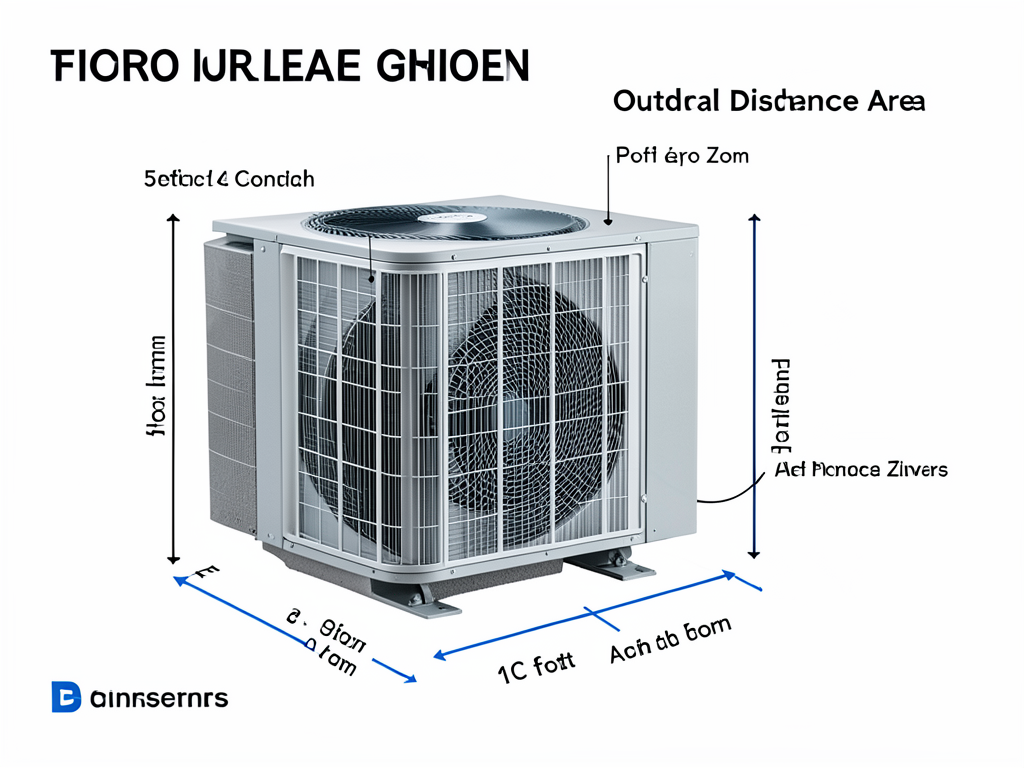
Diagram showing proper 2-foot clearance zones and 5-foot vertical discharge area around an outdoor condenser.
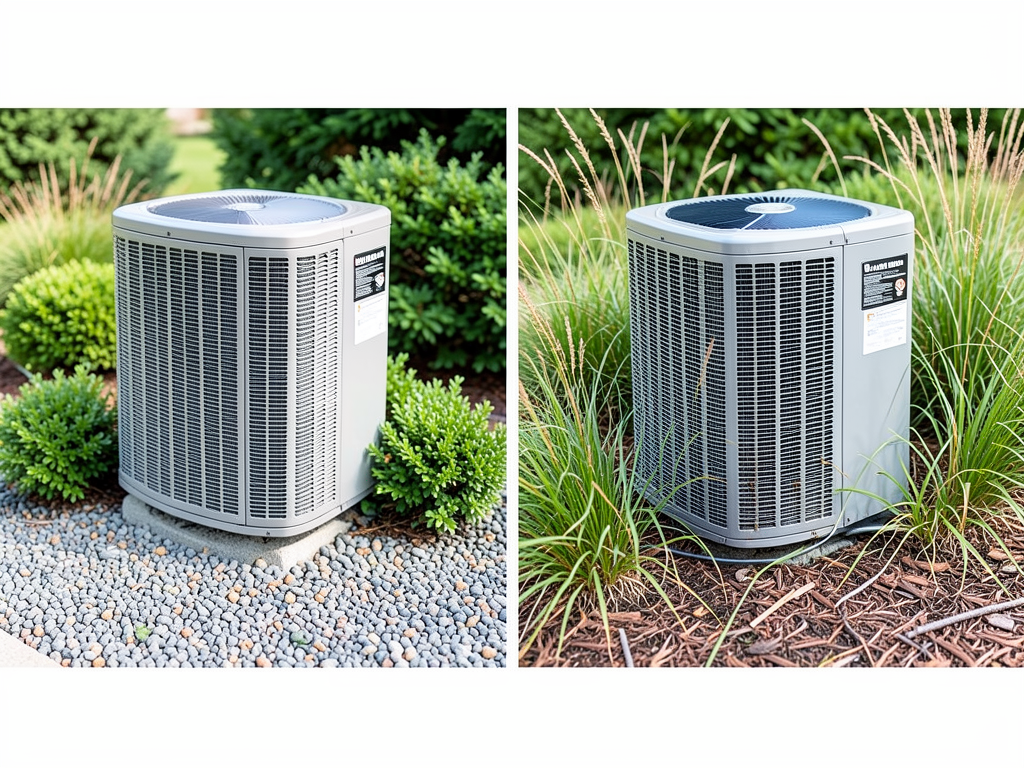
Side-by-side comparison of a well-landscaped AC unit with gravel base and low-maintenance shrubs versus a cluttered unit surrounded by tall grass and mulch.
Close-up of cottonwood seed buildup on condenser fins, illustrating why certain trees are poor choices near HVAC equipment.
{
“@context”: “https://schema.org”,
“@type”: “BlogPosting”,
“headline”: “Tips for Landscaping Around Your AC Unit Without Killing Its Efficiency”,
“description”: “Protect your AC unit with smart landscaping in Columbus. Learn clearance rules, plant choices, and seasonal tips to boost efficiency without voiding your warranty.”,
“wordCount”: 925,
“datePublished”: “2026-03-22T12:20:00.000Z”,
“dateModified”: “2026-03-22T12:20:00.000Z”,
“inLanguage”: “en-US”,
“mainEntityOfPage”: {
“@type”: “WebPage”,
“@id”: “https://grandhvaccolumbus.com”
},
“publisher”: {
“@type”: “LocalBusiness”,
“name”: “Grand HVAC Columbus”,
“url”: “https://grandhvaccolumbus.com”
},
“author”: {
“@type”: “Organization”,
“name”: “Grand HVAC Columbus”,
“url”: “https://grandhvaccolumbus.com”
},
“image”: {
“@type”: “ImageObject”,
“url”: “https://grandhvaccolumbus.com/wp-content/uploads/2026/03/tips-for-landscaping-around-your-ac-unit-without-k-1.png”
}
}
{
“@context”: “https://schema.org”,
“@type”: “HVACBusiness”,
“name”: “Grand HVAC Columbus”,
“url”: “https://grandhvaccolumbus.com”,
“address”: {
“@type”: “PostalAddress”,
“addressLocality”: “Columbus”
},
“areaServed”: {
“@type”: “City”,
“name”: “Columbus”
}
}
{
“@context”: “https://schema.org”,
“@type”: “FAQPage”,
“mainEntity”: [
{
“@type”: “Question”,
“name”: “Gravel vs. Mulch: Which is Safer for Your HVAC?”,
“acceptedAnswer”: {
“@type”: “Answer”,
“text”: “Pea gravel is the safest ground cover. It drains well in Ohio clay, prevents weed growth, and will not trap moisture against the unit base. Organic mulch can hold humidity and attract insects that may nest inside the unit. If you prefer mulch for aesthetics, use a thin layer and keep it at least six inches from the housing. Never let mulch build up against the metal base.”
}
},
{
“@type”: “Question”,
“name”: “Can I plant flowers directly next to my AC unit?”,
“acceptedAnswer”: {
“@type”: “Answer”,
“text”: “No. Flowers within two feet restrict airflow and drop petals that can clog the coil. Keep all plantings at least three feet away to maintain the required clearance.”
}
},
{
“@type”: “Question”,
“name”: “Does shading the unit improve efficiency?”,
“acceptedAnswer”: {
“@type”: “Answer”,
“text”: “Strategic shade from a tree planted at least six feet away can reduce intake air temperature slightly. However, if the tree drops leaves or seeds, the efficiency loss outweighs the benefit. Use a lattice screen instead for shade without debris.”
}
},
{
“@type”: “Question”,
“name”: “How often should I clean around my AC unit?”,
“acceptedAnswer”: {
“@type”: “Answer”,
“text”: “Inspect the area monthly during the cooling season. Remove debris, trim encroaching plants, and check for signs of rodent nesting. A clean two-foot zone ensures optimal performance.”
}
}
]
}
{
“@context”: “https://schema.org”,
“@type”: “BreadcrumbList”,
“itemListElement”: [
{
“@type”: “ListItem”,
“position”: 1,
“name”: “Home”,
“item”: “https://grandhvaccolumbus.com”
},
{
“@type”: “ListItem”,
“position”: 2,
“name”: “Blog”,
“item”: “https://grandhvaccolumbus.com/blog”
},
{
“@type”: “ListItem”,
“position”: 3,
“name”: “Tips for Landscaping Around Your AC Unit Without Killing Its Efficiency”
}
]
}
{
“@context”: “https://schema.org”,
“@type”: “Service”,
“serviceType”: “HVAC”,
“provider”: {
“@type”: “LocalBusiness”,
“name”: “Grand HVAC Columbus”,
“url”: “https://grandhvaccolumbus.com”
},
“areaServed”: {
“@type”: “City”,
“name”: “Columbus”
},
“description”: “Protect your AC unit with smart landscaping in Columbus. Learn clearance rules, plant choices, and seasonal tips to boost efficiency without voiding your warranty.”
}