
Why Your King-Lincoln Bronzeville Renovation Needs a Low Profile Ductwork Solution
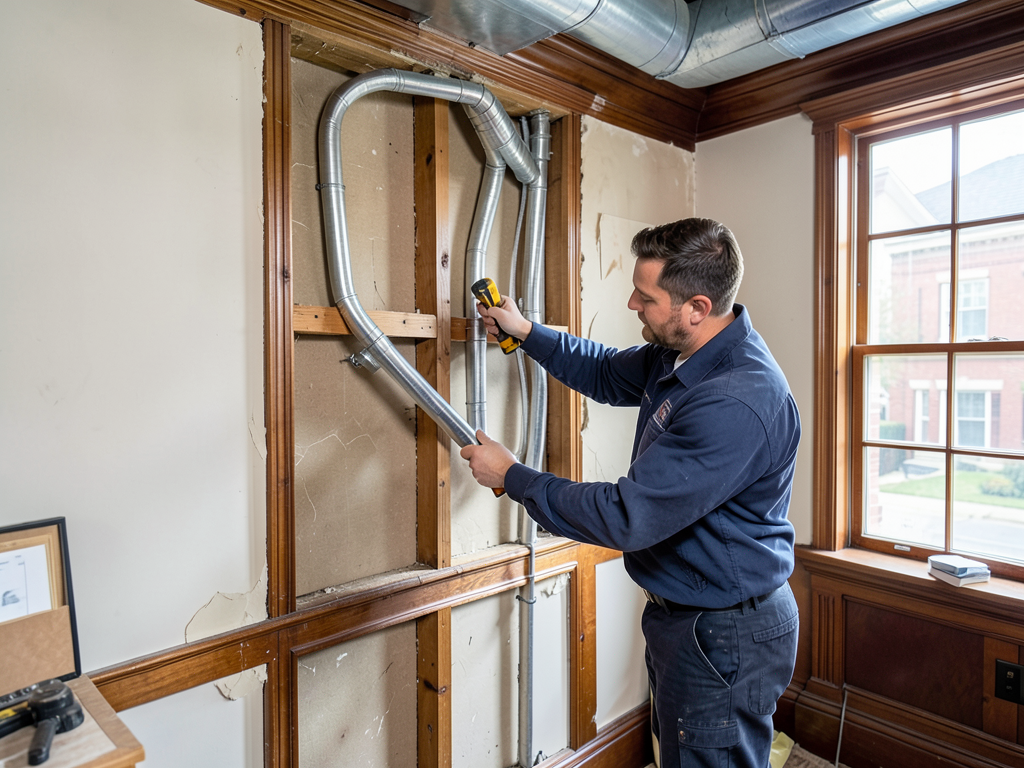
King-Lincoln Bronzeville homes built before 1940 present unique HVAC challenges. Standard ductwork requires 12-18 inches of chase space that simply doesn’t exist in these historic structures. The solution lies in high-velocity systems that deliver powerful heating and cooling through 2-inch flexible ducts hidden behind walls and ceilings.
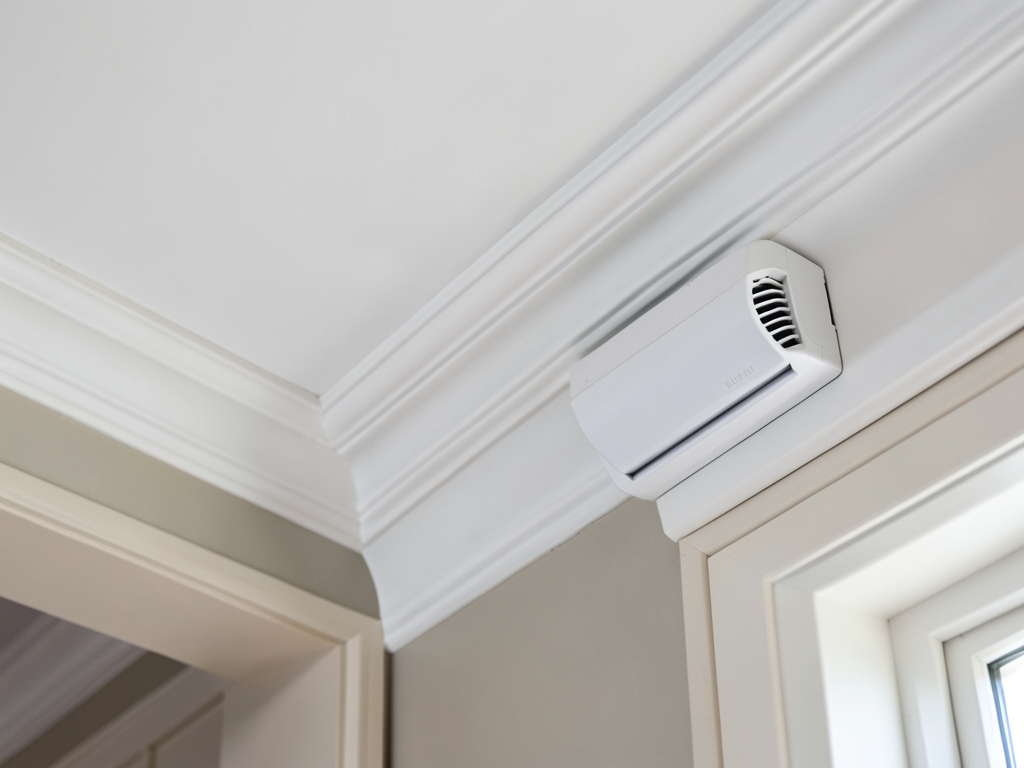
These compact systems use smaller vents that blend seamlessly with historic architecture while providing the same comfort as traditional units. For homeowners renovating in this vibrant Columbus neighborhood, understanding low profile ductwork isn’t optional—it’s essential for preserving both comfort and character.
The Hidden Challenge of Historic Home Cooling
King-Lincoln Bronzeville’s architectural heritage creates specific HVAC obstacles. Many homes feature plaster-and-lathe walls, balloon framing, and limited crawl spaces that make conventional duct installation nearly impossible without major structural modifications.
The problem goes beyond space constraints. Traditional ductwork requires large supply and return vents that disrupt original woodwork, crown molding, and hardwood floors. Installing these systems often means removing historic features that define these homes’ character.. Read more about Why You Might Need a Booster Fan for the Long Duct Runs in Your Large Darbydale Property.
Heat gain and loss patterns in these older structures differ significantly from modern homes. Thick plaster walls provide excellent insulation but create thermal mass that resists temperature changes. This means HVAC systems must work harder to achieve comfort levels, making efficiency even more critical.
High-Velocity Systems: The King-Lincoln Solution
High-velocity HVAC systems like Unico and SpacePak represent the gold standard for historic renovations. These units deliver 2-inch flexible ducts through existing wall cavities, eliminating the need for bulkheads or dropped ceilings. EPA Renovation, Repair and Painting Program.
The technology works through aspiration. Instead of slowly heating or cooling large volumes of air, high-velocity systems create rapid air movement that mixes temperatures quickly throughout rooms. This means faster comfort and better humidity control—critical in Ohio’s humid summers.
Installation requires specialized expertise. Technicians must map existing electrical, plumbing, and structural elements before running new ducts. The process demands precision to avoid damaging original materials while ensuring proper airflow distribution.
Comparing Your Options: High-Velocity vs. Ductless
| Feature | High-Velocity Systems | Ductless Mini-Split |
|---|---|---|
| Installation Impact | Minimal wall penetration | Visible wall units |
| Energy Efficiency | SEER2 ratings up to 20 | SEER2 ratings up to 25 |
| Noise Level | 30-40 decibels | 20-30 decibels |
| Historic Preservation | Preserves original features | Alters wall appearance |
| Whole-Home Coverage | Excellent | Room-by-room |
Navigating Columbus Historic Preservation Guidelines
The City of Columbus Historic Resources Commission (HRC) oversees renovations in designated historic districts. While King-Lincoln Bronzeville isn’t officially designated, many homes fall under preservation guidelines due to their age and significance. The Honest Guide to Replacing Your Upper Arlington Furnace This Winter.
Exterior modifications require careful consideration. Condenser units must be placed where they won’t be visible from public streets. Some installations may need approval from the HRC, particularly for homes near Long Street or in the core historic area. Where to Find 24 Hour Emergency HVAC Help Anywhere in Columbus.
Interior work generally faces fewer restrictions, but preservation best practices still apply. The goal is maintaining architectural integrity while providing modern comfort. This means protecting original plaster, avoiding damage to historic woodwork, and ensuring any modifications can be reversed if needed.
The Installation Process: What to Expect
Professional installation follows a specific sequence to protect your home’s historic character. The process typically takes 3-5 days for a complete system, depending on home size and complexity.
- Initial Assessment
Technicians use thermal imaging cameras to map existing wall cavities and identify optimal duct routes without damaging structural elements.
- Design Planning
Computer modeling determines precise vent placement for even temperature distribution while avoiding historic features like crown molding and built-in cabinetry.
- Minimal Access Points
Small 2-inch holes provide access for flexible duct installation. These openings are easily patched and match existing plaster texture.
- System Installation
Compact air handlers mount in utility closets or attic spaces. Flexible ducts run through existing cavities to discreet supply vents.
- Final Testing
Technicians verify proper airflow, check for leaks, and ensure the system meets manufacturer specifications for your home’s specific layout.
Energy Efficiency and Cost Considerations
High-velocity systems offer significant energy savings despite higher upfront costs. The compact ducts reduce air leakage by up to 70% compared to traditional ductwork, while the efficient blowers use less electricity.
Modern high-velocity units achieve SEER2 ratings of 18-20, qualifying for utility rebates in Franklin County. These systems also integrate seamlessly with smart thermostats, allowing precise zone control that further reduces energy consumption. Upgrading to a Smart Thermostat in Grandview Heights to Lower Your Electric Bill.
The investment typically ranges from $12,000 to $18,000 for a complete system in a King-Lincoln home. While this exceeds standard HVAC replacement costs, the preservation of historic features and improved efficiency often justify the premium.
Common Problems and Solutions
Even well-designed systems can face challenges in historic homes. Understanding these issues helps homeowners make informed decisions and maintain their systems properly. Troubleshooting AC Issues.
Humidity control presents the biggest challenge. King-Lincoln homes often have higher moisture levels due to older construction methods. High-velocity systems excel at humidity removal, but may require supplemental dehumidification during peak summer months.
Airflow balancing can be tricky in homes with multiple levels or unusual room layouts. Professional installers use specialized equipment to measure and adjust airflow, ensuring consistent comfort throughout the home.
Noise concerns are common but manageable. Modern high-velocity systems operate at 30-40 decibels, comparable to a quiet conversation. Proper installation and vibration isolation eliminate most operational sounds.
Maintenance for Long-Term Performance
Historic home HVAC systems require specific maintenance approaches. The compact nature of high-velocity systems makes many tasks more accessible than traditional ductwork.
Annual professional service should include duct cleaning using specialized equipment designed for 2-inch flexible ducts. This prevents dust buildup that can restrict airflow and reduce efficiency.
Filter replacement every 3-4 months is crucial. High-velocity systems use smaller filters that clog more quickly than standard units. Using the correct filter size and MERV rating ensures optimal performance.
Thermostat calibration matters more in historic homes. These structures respond differently to temperature changes, so proper thermostat placement and programming maximize comfort and efficiency.
Case Studies: King-Lincoln Success Stories
A 1920s Craftsman on East Long Street demonstrates high-velocity HVAC’s potential. The homeowner wanted central air without altering the home’s character. The installation preserved original plaster walls and hardwood floors while providing even cooling throughout the 2,200-square-foot home.
Another project on Hamilton Avenue involved a Victorian-era home with no existing ductwork. The high-velocity system installed in two days without removing any original features. The homeowner reports 30% lower energy bills compared to window units previously used.
These examples show how modern technology can respect historic architecture while delivering contemporary comfort. Each installation requires custom solutions based on the home’s specific construction and the owner’s needs. Why Your Westerville AC Needs a Tune Up Before the Humidity Hits.
Why Choose a Specialist for Your Renovation
Historic home HVAC installation isn’t a standard contracting job. It requires understanding of both modern systems and historic construction methods. Specialists bring experience with plaster repair, wood restoration, and preservation guidelines.
Professional installers use diagnostic tools like thermal imaging to map existing conditions before beginning work. This prevents costly mistakes and ensures the system integrates seamlessly with your home’s architecture.
The right contractor will provide detailed plans showing how the system affects your home’s structure. They should explain preservation techniques and offer warranties that cover both equipment and installation workmanship.
Preparing for Your Renovation
Successful HVAC installation in historic homes starts with proper planning. Begin by documenting your home’s existing conditions with photos and measurements. Note any areas where you’re particularly concerned about preservation.
Consult with multiple specialists who have experience in historic renovations. Ask for references from other King-Lincoln homeowners and examples of similar projects they’ve completed.
Consider timing your installation during seasons when you can temporarily relocate if needed. While most installations are minimally disruptive, having flexibility helps manage unexpected challenges.
Review your home’s electrical system before installation. Many historic homes need electrical upgrades to support modern HVAC equipment. Addressing this early prevents delays and ensures proper system operation.
Frequently Asked Questions
Can high-velocity systems work in homes with asbestos or lead paint?
Yes, but requires special precautions. Professional installers follow EPA guidelines for hazardous materials. The compact installation process actually reduces disturbance compared to traditional ductwork.
How long do high-velocity HVAC systems typically last?
With proper maintenance, these systems last 20-25 years. The durable components and minimal vibration from the compact design contribute to longevity. Regular professional service maximizes system lifespan.
Will installing HVAC affect my home’s historic designation?
Generally no. Interior modifications rarely impact historic status. However, exterior changes may require approval from preservation boards. A qualified specialist can guide you through any necessary permitting processes.
What’s the difference between Unico and SpacePak systems?
Both offer similar performance. Unico tends to have slightly smaller air handlers, while SpacePak offers more color options for supply vents. Your specialist will recommend based on your home’s specific layout and your preferences.
Can I add air conditioning to a home with radiator heat?
Absolutely. High-velocity systems work perfectly with existing radiator systems. The compact design allows installation without interfering with your current heating setup.
[IMAGE_PLACEHOLDER_3>
Ready to Preserve Your Home’s Character While Adding Modern Comfort?
King-Lincoln Bronzeville homes deserve HVAC solutions that respect their architectural heritage. High-velocity systems offer the perfect balance of historic preservation and modern efficiency.
Don’t let outdated cooling methods compromise your renovation plans. The right system can transform your home’s comfort while maintaining every detail that makes it special.
Call (380) 253-3188 today to schedule your consultation. Our specialists understand the unique challenges of historic Columbus homes and can design a system that preserves your home’s character while delivering the comfort you deserve.
Pick up the phone and call (380) 253-3188 before the next heat wave hits. Your historic home deserves modern comfort without sacrificing its irreplaceable character. For more information, visit National Park Service Preservation Briefs.
{
“@context”: “https://schema.org”,
“@type”: “BlogPosting”,
“headline”: “Why Your King-Lincoln Bronzeville Renovation Needs a Low Profile Ductwork Solution”,
“description”: “King-Lincoln Bronzeville homes need specialized low profile ductwork. Learn how high-velocity HVAC systems preserve historic charm while delivering modern comfort.”,
“wordCount”: 1646,
“datePublished”: “2026-04-16T06:20:00.000Z”,
“dateModified”: “2026-04-16T06:20:00.000Z”,
“inLanguage”: “en-US”,
“mainEntityOfPage”: {
“@type”: “WebPage”,
“@id”: “https://grandhvaccolumbus.com”
},
“publisher”: {
“@type”: “LocalBusiness”,
“name”: “Grand HVAC Columbus”,
“url”: “https://grandhvaccolumbus.com”
},
“author”: {
“@type”: “Organization”,
“name”: “Grand HVAC Columbus”,
“url”: “https://grandhvaccolumbus.com”
},
“image”: {
“@type”: “ImageObject”,
“url”: “https://grandhvaccolumbus.com/wp-content/uploads/2026/03/why-your-king-lincoln-bronzeville-renovation-needs-1.png”
}
}
{
“@context”: “https://schema.org”,
“@type”: “HVACBusiness”,
“name”: “Grand HVAC Columbus”,
“url”: “https://grandhvaccolumbus.com”,
“address”: {
“@type”: “PostalAddress”,
“addressLocality”: “Columbus”
},
“areaServed”: {
“@type”: “City”,
“name”: “Columbus”
}
}
{
“@context”: “https://schema.org”,
“@type”: “FAQPage”,
“mainEntity”: [
{
“@type”: “Question”,
“name”: “Can high-velocity systems work in homes with asbestos or lead paint?”,
“acceptedAnswer”: {
“@type”: “Answer”,
“text”: “Yes, but requires special precautions. Professional installers follow EPA guidelines for hazardous materials. The compact installation process actually reduces disturbance compared to traditional ductwork.”
}
},
{
“@type”: “Question”,
“name”: “How long do high-velocity HVAC systems typically last?”,
“acceptedAnswer”: {
“@type”: “Answer”,
“text”: “With proper maintenance, these systems last 20-25 years. The durable components and minimal vibration from the compact design contribute to longevity. Regular professional service maximizes system lifespan.”
}
},
{
“@type”: “Question”,
“name”: “Will installing HVAC affect my home’s historic designation?”,
“acceptedAnswer”: {
“@type”: “Answer”,
“text”: “Generally no. Interior modifications rarely impact historic status. However, exterior changes may require approval from preservation boards. A qualified specialist can guide you through any necessary permitting processes.”
}
},
{
“@type”: “Question”,
“name”: “What’s the difference between Unico and SpacePak systems?”,
“acceptedAnswer”: {
“@type”: “Answer”,
“text”: “Both offer similar performance. Unico tends to have slightly smaller air handlers, while SpacePak offers more color options for supply vents. Your specialist will recommend based on your home’s specific layout and your preferences.”
}
},
{
“@type”: “Question”,
“name”: “Can I add air conditioning to a home with radiator heat?”,
“acceptedAnswer”: {
“@type”: “Answer”,
“text”: “Absolutely. High-velocity systems work perfectly with existing radiator systems. The compact design allows installation without interfering with your current heating setup.”
}
},
{
“@type”: “Question”,
“name”: “Ready to Preserve Your Home’s Character While Adding Modern Comfort?”,
“acceptedAnswer”: {
“@type”: “Answer”,
“text”: “King-Lincoln Bronzeville homes deserve HVAC solutions that respect their architectural heritage. High-velocity systems offer the perfect balance of historic preservation and modern efficiency.”
}
}
]
}
{
“@context”: “https://schema.org”,
“@type”: “HowTo”,
“name”: “High-Velocity HVAC Installation Process”,
“step”: [
{
“@type”: “HowToStep”,
“position”: 1,
“name”: “Initial Assessment”,
“text”: “Technicians use thermal imaging cameras to map existing wall cavities and identify optimal duct routes without damaging structural elements.”
},
{
“@type”: “HowToStep”,
“position”: 2,
“name”: “Design Planning”,
“text”: “Computer modeling determines precise vent placement for even temperature distribution while avoiding historic features like crown molding and built-in cabinetry.”
},
{
“@type”: “HowToStep”,
“position”: 3,
“name”: “Minimal Access Points”,
“text”: “Small 2-inch holes provide access for flexible duct installation. These openings are easily patched and match existing plaster texture.”
},
{
“@type”: “HowToStep”,
“position”: 4,
“name”: “System Installation”,
“text”: “Compact air handlers mount in utility closets or attic spaces. Flexible ducts run through existing cavities to discreet supply vents.”
},
{
“@type”: “HowToStep”,
“position”: 5,
“name”: “Final Testing”,
“text”: “Technicians verify proper airflow, check for leaks, and ensure the system meets manufacturer specifications for your home’s specific layout.”
}
],
“image”: “https://grandhvaccolumbus.com/wp-content/uploads/2026/03/why-your-king-lincoln-bronzeville-renovation-needs-1.png”
}
{
“@context”: “https://schema.org”,
“@type”: “BreadcrumbList”,
“itemListElement”: [
{
“@type”: “ListItem”,
“position”: 1,
“name”: “Home”,
“item”: “https://grandhvaccolumbus.com”
},
{
“@type”: “ListItem”,
“position”: 2,
“name”: “Blog”,
“item”: “https://grandhvaccolumbus.com/blog”
},
{
“@type”: “ListItem”,
“position”: 3,
“name”: “Why Your King-Lincoln Bronzeville Renovation Needs a Low Profile Ductwork Solution”
}
]
}
{
“@context”: “https://schema.org”,
“@type”: “Service”,
“serviceType”: “HVAC”,
“provider”: {
“@type”: “LocalBusiness”,
“name”: “Grand HVAC Columbus”,
“url”: “https://grandhvaccolumbus.com”
},
“areaServed”: {
“@type”: “City”,
“name”: “Columbus”
},
“description”: “King-Lincoln Bronzeville homes need specialized low profile ductwork. Learn how high-velocity HVAC systems preserve historic charm while delivering modern comfort.”
}