
How to Fix Hot and Cold Spots in Your Two Story Merion Village Home
Hot upstairs and freezing downstairs is a common problem in Merion Village’s historic two-story homes. The issue stems from how heat naturally rises through your home’s architecture and how older HVAC systems struggle to distribute air evenly across multiple floors. You need to understand the root causes before you can fix them.. Read more about Keeping Your Italian Village Loft Cool with Modern Zone Control Systems.
Columbus summers push your upstairs into the 80s while the downstairs stays comfortable around 72 degrees. Winters reverse the problem with upstairs bedrooms feeling like saunas and main floors feeling like iceboxes. This temperature imbalance wastes energy and makes your home uncomfortable year-round.. Read more about Modern HVAC Solutions for the Open Floor Plans of the Brewery District.
Common Causes of Hot and Cold Spots in Central Ohio Homes
Merion Village homes built before 1940 have specific architectural challenges that modern HVAC systems weren’t designed to handle. The narrow two-story shotgun style creates natural airflow problems that worsen with age.
Outdated Ductwork Design
Many Merion Village homes still have original ductwork from the 1950s or earlier. These systems weren’t built for today’s cooling demands. Supply ducts often feed upstairs rooms through long, winding paths that lose pressure before reaching the second floor. Return air pathways are frequently undersized, creating negative pressure that pulls hot attic air into living spaces.
Insufficient Return Air Pathways
Older homes typically have only one central return vent, usually located on the first floor. This creates a suction effect that pulls cool air from downstairs while upstairs rooms struggle to get adequate airflow. The result is a temperature difference of 8-12 degrees between floors during peak seasons.
Attic Heat Gain
Many Merion Village attics lack proper insulation or ventilation. During summer, attic temperatures can exceed 130 degrees, radiating heat through the ceiling into upstairs bedrooms. Without adequate attic ventilation, this heat has nowhere to escape, creating a greenhouse effect that your AC cannot overcome. Where to Find 24 Hour Emergency HVAC Help Anywhere in Columbus.
Single Thermostat Location
Most two-story homes have only one thermostat, typically on the first floor. This creates a fundamental problem: your system cools or heats based on one location while other areas remain uncomfortable. The upstairs may need cooling while the downstairs is already cold enough.
Professional Solutions for Consistent Comfort
Modern HVAC technology offers several solutions specifically designed for two-story homes. The right approach depends on your home’s layout, your budget, and how severe your temperature problems are.
Zoning Systems
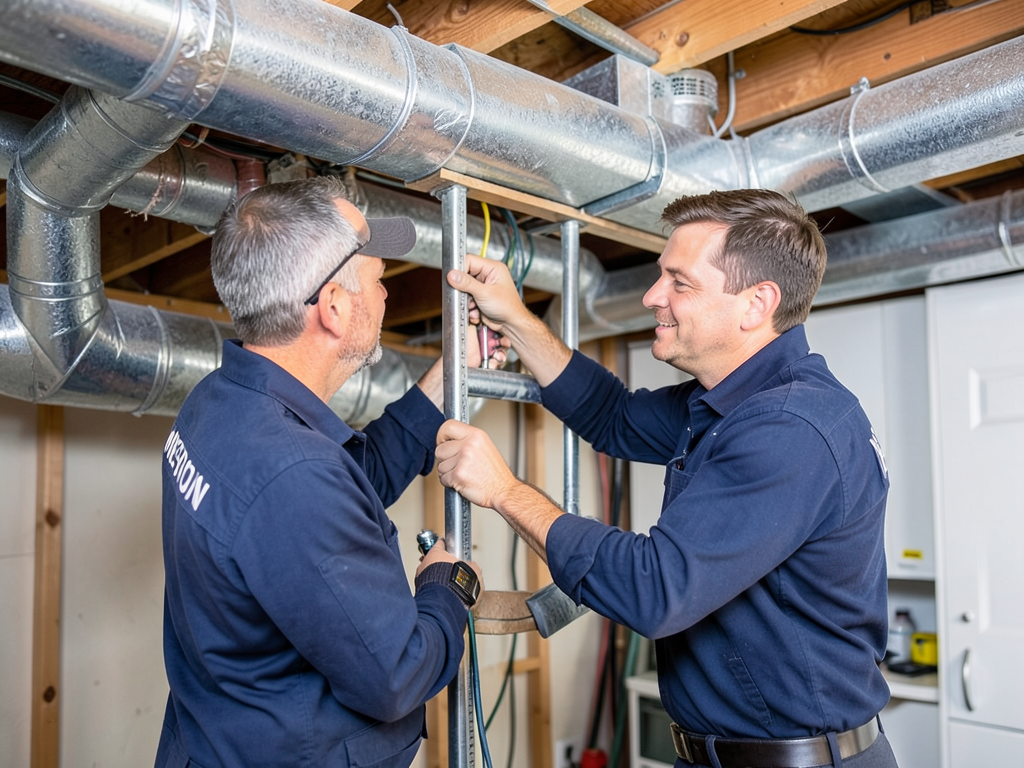
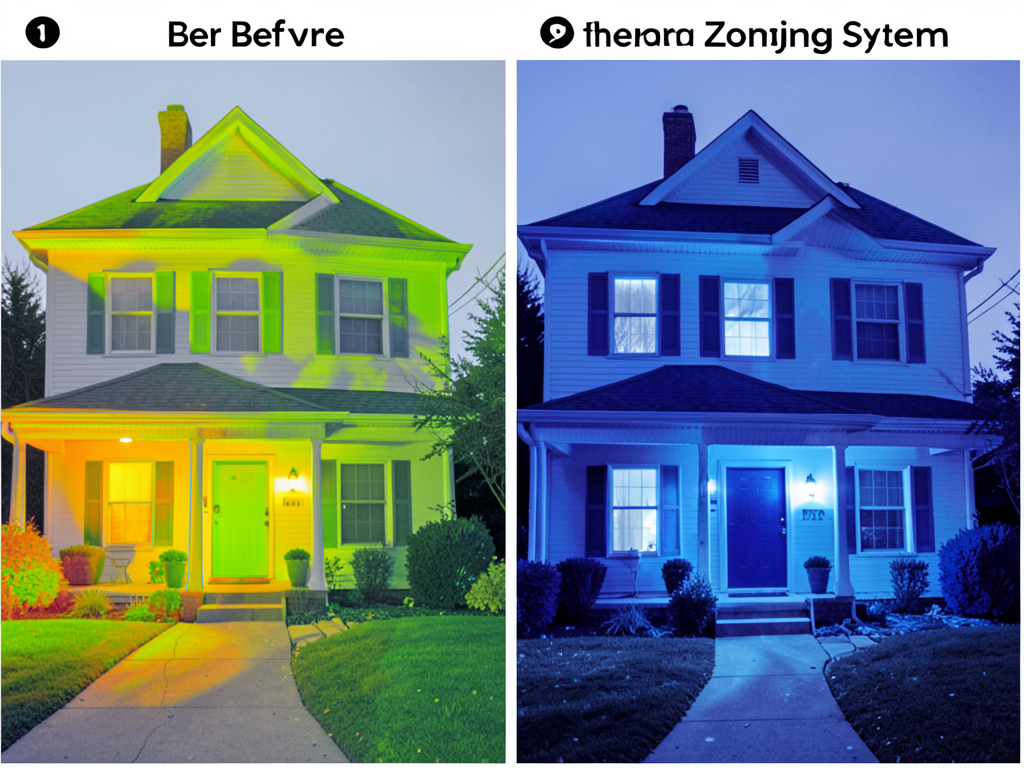
A zoning system divides your home into separate temperature zones, each controlled by its own thermostat. For two-story homes, this typically means upstairs and downstairs zones. Dampers installed in your ductwork direct airflow where it’s needed most. When upstairs is hot, the upstairs dampers open while downstairs dampers close. This can reduce energy costs by 20-30% while eliminating temperature differences. EPA Heat Island Information.
Duct Sealing and Aeroseal Technology
Leaky ductwork wastes 20-30% of your heating and cooling energy. In older Merion Village homes, duct joints often separate over decades, creating gaps that let conditioned air escape into walls, attics, or crawl spaces. Aeroseal technology uses polymer particles to seal leaks from the inside out. Technicians pressurize your duct system and inject sealant that finds and fills gaps as small as 5/8 inch.
Variable Speed Air Handlers
Traditional single-speed blowers run at full capacity or not at all. Variable speed units adjust their output based on demand, running longer at lower speeds to maintain consistent temperatures. This provides several benefits: better humidity control, quieter operation, and more even temperature distribution throughout your home.
Smart Thermostat Integration
Modern smart thermostats with remote sensors can monitor temperatures in multiple locations. You can place sensors upstairs to ensure your system runs long enough to cool those rooms, even if the downstairs thermostat reads comfortable. Some systems learn your schedule and adjust automatically based on occupancy patterns. Upgrading to a Smart Thermostat in Grandview Heights to Lower Your Electric Bill.
DIY Troubleshooting Checklist
Before calling a professional, try these simple fixes that often solve minor temperature imbalances.
Check and Clean Air Vents
Blocked or dirty supply vents restrict airflow. Walk through your home and ensure all vents are open and unobstructed by furniture, curtains, or rugs. Remove vent covers and vacuum out dust buildup. Clean vents improve airflow by 15-25%.
Inspect Air Filters
Clogged air filters force your system to work harder and reduce airflow. Check filters monthly and replace every 1-3 months depending on usage and whether you have pets. Clean filters can improve system efficiency by up to 15%.
Adjust Dampers
Many duct systems have manual dampers that control airflow to different areas. These are usually located in your basement or utility closet. During summer, partially close dampers to downstairs rooms to force more cool air upstairs. Reverse this in winter.
Seal Air Leaks
Air leaks around windows, doors, and electrical outlets let conditioned air escape. Use weatherstripping around doors and caulk around windows. Install foam gaskets behind outlet covers on exterior walls. This simple step can reduce energy loss by 10-15%.
When to Call a Professional
Some temperature problems require professional diagnosis and equipment. Here’s when to stop troubleshooting and call an HVAC contractor. Troubleshooting AC Issues.
System Age Over 15 Years
If your HVAC system is more than 15 years old, it likely lacks the efficiency and features needed for modern comfort. Older systems also use refrigerants being phased out, making repairs increasingly expensive.
Uneven Temperatures Over 8 Degrees
When temperature differences between floors exceed 8 degrees, simple fixes won’t solve the problem. This indicates fundamental design issues with your ductwork or equipment sizing.
High Energy Bills
If your energy bills keep rising despite no change in usage habits, your system may be working overtime to compensate for design flaws or equipment problems.
Humidity Problems
Excessive humidity upstairs or dryness downstairs indicates your system cannot properly condition the air. This affects comfort and can lead to mold growth or respiratory issues.
Cost Considerations for Merion Village Homes
Fixing temperature imbalances requires different investment levels depending on the solution.
Basic Improvements
Cleaning vents, replacing filters, and sealing air leaks cost $100-300 and can provide immediate improvement. These DIY-friendly fixes offer the best return on investment.
Equipment Upgrades
Adding a zoning system typically costs $2,500-4,500 installed. This includes dampers, thermostats, and control wiring. The investment pays for itself through energy savings within 3-5 years.
Complete System Replacement
Replacing an entire HVAC system with proper zoning and modern equipment costs $8,000-15,000 depending on your home’s size and the equipment selected. This represents the most comprehensive solution but requires the largest upfront investment.
Preventive Maintenance Tips
Regular maintenance prevents many temperature problems before they start. Here’s what to do seasonally.
Spring Preparation
Clean outdoor condenser coils, check refrigerant levels, and test the system under cooling load. This ensures your AC is ready for summer heat.
Fall Preparation
Clean furnace burners, check heat exchanger for cracks, and test the heating cycle. This prevents breakdowns during winter and ensures safe operation.
Annual Professional Tune-up
Schedule professional maintenance once per year. A technician can identify developing problems, clean internal components, and optimize system performance.
Energy Efficiency Considerations
Fixing temperature imbalances often improves overall energy efficiency. Here’s how different solutions impact your utility bills.
Zoning Benefits
Zoning systems reduce energy waste by heating or cooling only occupied areas. You can set back temperatures in unused bedrooms during the day or in living areas at night.
Variable Speed Savings
Variable speed air handlers use less electricity than single-speed units because they operate at lower speeds most of the time. They also remove more humidity, allowing you to set higher cooling temperatures while maintaining comfort.
Smart Thermostat Returns
Smart thermostats with learning capabilities can reduce energy usage by 10-15% through optimized scheduling and remote temperature adjustments.
Local Building Code Considerations
Columbus and Franklin County have specific requirements for HVAC modifications that affect your options.
The Ohio Mechanical Code requires permits for most HVAC system modifications. This includes adding zoning systems, replacing ductwork, or installing new equipment. Work must be performed by licensed contractors and inspected by the county.
Energy efficiency standards have tightened in recent years. New equipment must meet minimum SEER2 ratings, and ductwork in unconditioned spaces must be insulated to specific R-values.
Frequently Asked Questions
Why is my upstairs always hotter than downstairs?
Heat naturally rises due to physics. Warm air is less dense than cool air, so it floats upward through your home. In two-story homes, this effect is magnified by attic heat gain, inadequate return air pathways, and single thermostat locations that don’t account for temperature differences between floors.
Can I just add more vents upstairs?
Adding supply vents without addressing return air pathways often makes the problem worse. Your system needs balanced airflow: the amount of air supplied must equal the amount returned. Without proper return pathways, adding supply vents creates pressure imbalances that reduce overall system efficiency. Why Your Westerville AC Needs a Tune Up Before the Humidity Hits.
How much does zoning typically cost?
Zoning systems for two-story homes typically cost $2,500-4,500 installed. This includes dampers for each zone, additional thermostats, control wiring, and professional installation. The cost varies based on your home’s layout and the number of zones needed.
Will a bigger AC unit solve my problem?
Oversized air conditioners often create worse temperature imbalances. Large units cool rooms quickly but don’t run long enough to properly dehumidify the air. This leaves you with cold, clammy conditions upstairs and hot spots downstairs where the system never ran long enough to reach those areas.
How long does installation take?
Most zoning system installations take 1-2 days. Simple modifications like adding dampers and thermostats can be completed in one day. More complex installations involving ductwork modifications may require two days. Your home will have heating and cooling throughout the process.
Ready to Fix Your Home’s Temperature Problems?
Don’t spend another season uncomfortable in your own home. Our team specializes in solving temperature imbalances in historic Merion Village homes. We understand the unique challenges of narrow two-story architecture and can recommend solutions that work with your home’s character while providing modern comfort.
Call (380) 253-3188 today to schedule your home comfort assessment. We’ll diagnose your specific temperature problems and provide a clear plan to fix them. Our estimates are free, and we stand behind our work with a 100% satisfaction guarantee.
Pick up the phone and call (380) 253-3188 before the next heat wave or cold snap hits. Your comfort is too important to wait.
For more information, visit ASHRAE HVAC Standards.
You may also find this helpful. Why Your North Linden Home Feels Stuffy and How to Fix the Airflow.
You may also find this helpful. The Honest Truth About Using Window AC Units vs Central Air in Old Oaks.
{
“@context”: “https://schema.org”,
“@type”: “BlogPosting”,
“headline”: “How to Fix Hot and Cold Spots in Your Two Story Merion Village Home”,
“description”: “Discover why your Merion Village two-story home has uneven temperatures and learn proven HVAC solutions to fix hot and cold spots for year-round comfort.”,
“wordCount”: 1754,
“datePublished”: “2026-03-10T12:41:00.000Z”,
“dateModified”: “2026-03-10T12:41:00.000Z”,
“inLanguage”: “en-US”,
“mainEntityOfPage”: {
“@type”: “WebPage”,
“@id”: “https://grandhvaccolumbus.com”
},
“publisher”: {
“@type”: “LocalBusiness”,
“name”: “Grand HVAC Columbus”,
“url”: “https://grandhvaccolumbus.com”
},
“author”: {
“@type”: “Organization”,
“name”: “Grand HVAC Columbus”,
“url”: “https://grandhvaccolumbus.com”
},
“image”: {
“@type”: “ImageObject”,
“url”: “https://grandhvaccolumbus.com/wp-content/uploads/2026/03/how-to-fix-hot-and-cold-spots-in-your-two-story-me-1.png”
}
}
{
“@context”: “https://schema.org”,
“@type”: “HVACBusiness”,
“name”: “Grand HVAC Columbus”,
“url”: “https://grandhvaccolumbus.com”,
“address”: {
“@type”: “PostalAddress”,
“addressLocality”: “Columbus”
},
“areaServed”: {
“@type”: “City”,
“name”: “Columbus”
}
}
{
“@context”: “https://schema.org”,
“@type”: “FAQPage”,
“mainEntity”: [
{
“@type”: “Question”,
“name”: “Why is my upstairs always hotter than downstairs?”,
“acceptedAnswer”: {
“@type”: “Answer”,
“text”: “Heat naturally rises due to physics. Warm air is less dense than cool air, so it floats upward through your home. In two-story homes, this effect is magnified by attic heat gain, inadequate return air pathways, and single thermostat locations that don’t account for temperature differences between floors.”
}
},
{
“@type”: “Question”,
“name”: “Can I just add more vents upstairs?”,
“acceptedAnswer”: {
“@type”: “Answer”,
“text”: “Adding supply vents without addressing return air pathways often makes the problem worse. Your system needs balanced airflow: the amount of air supplied must equal the amount returned. Without proper return pathways, adding supply vents creates pressure imbalances that reduce overall system efficiency. Why Your Westerville AC Needs a Tune Up Before the Humidity Hits.”
}
},
{
“@type”: “Question”,
“name”: “How much does zoning typically cost?”,
“acceptedAnswer”: {
“@type”: “Answer”,
“text”: “Zoning systems for two-story homes typically cost $2,500-4,500 installed. This includes dampers for each zone, additional thermostats, control wiring, and professional installation. The cost varies based on your home’s layout and the number of zones needed.”
}
},
{
“@type”: “Question”,
“name”: “Will a bigger AC unit solve my problem?”,
“acceptedAnswer”: {
“@type”: “Answer”,
“text”: “Oversized air conditioners often create worse temperature imbalances. Large units cool rooms quickly but don’t run long enough to properly dehumidify the air. This leaves you with cold, clammy conditions upstairs and hot spots downstairs where the system never ran long enough to reach those areas.”
}
},
{
“@type”: “Question”,
“name”: “How long does installation take?”,
“acceptedAnswer”: {
“@type”: “Answer”,
“text”: “Most zoning system installations take 1-2 days. Simple modifications like adding dampers and thermostats can be completed in one day. More complex installations involving ductwork modifications may require two days. Your home will have heating and cooling throughout the process.”
}
},
{
“@type”: “Question”,
“name”: “Ready to Fix Your Home’s Temperature Problems?”,
“acceptedAnswer”: {
“@type”: “Answer”,
“text”: “Don’t spend another season uncomfortable in your own home. Our team specializes in solving temperature imbalances in historic Merion Village homes. We understand the unique challenges of narrow two-story architecture and can recommend solutions that work with your home’s character while providing modern comfort.”
}
}
]
}
{
“@context”: “https://schema.org”,
“@type”: “BreadcrumbList”,
“itemListElement”: [
{
“@type”: “ListItem”,
“position”: 1,
“name”: “Home”,
“item”: “https://grandhvaccolumbus.com”
},
{
“@type”: “ListItem”,
“position”: 2,
“name”: “Blog”,
“item”: “https://grandhvaccolumbus.com/blog”
},
{
“@type”: “ListItem”,
“position”: 3,
“name”: “How to Fix Hot and Cold Spots in Your Two Story Merion Village Home”
}
]
}
{
“@context”: “https://schema.org”,
“@type”: “Service”,
“serviceType”: “HVAC”,
“provider”: {
“@type”: “LocalBusiness”,
“name”: “Grand HVAC Columbus”,
“url”: “https://grandhvaccolumbus.com”
},
“areaServed”: {
“@type”: “City”,
“name”: “Columbus”
},
“description”: “Discover why your Merion Village two-story home has uneven temperatures and learn proven HVAC solutions to fix hot and cold spots for year-round comfort.”
}