
Keeping Your Italian Village Loft Cool with Modern Zone Control Systems
Living in an Italian Village loft means enjoying historic charm and modern urban living. But those open floor plans and multi-level layouts often create comfort nightmares. One room bakes in the afternoon sun while another stays chilly. The kitchen feels like a sauna when you cook. These aren’t minor annoyances—they’re signs your single-zone HVAC system can’t keep up with your space.. Read more about Why Your North Linden Home Feels Stuffy and How to Fix the Airflow.
Modern zone control systems solve this by dividing your loft into independent temperature zones. Each area gets its own thermostat and motorized dampers that open or close based on demand. Instead of cooling your entire 2,000-square-foot space to 72 degrees you cool only the zones you’re using. The result Even temperatures lower energy bills and comfort that actually matches how you live.. Read more about Modern HVAC Solutions for the Open Floor Plans of the Brewery District.
Columbus summers push your system hard. When humidity hits 80% and temperatures climb above 90 degrees your single thermostat can’t satisfy every corner of your loft. Zone control systems use variable-speed blowers and smart dampers to deliver precise airflow where needed. The system monitors static pressure and adjusts automatically preventing the hot spots that make your upstairs bedroom unbearable at night. Upgrading to a Smart Thermostat in Grandview Heights to Lower Your Electric Bill.
Installing zone control in an Italian Village loft requires understanding historic building constraints. Many units have exposed ductwork limited ceiling space and architectural features that can’t be altered. A qualified Columbus HVAC technician evaluates your existing system identifies optimal damper locations and designs a layout that maintains your loft’s character while delivering modern comfort.
The investment pays for itself through energy savings. Ohio’s climate means your HVAC runs nearly year-round. Zone control reduces runtime by 20-30% by eliminating unnecessary cooling or heating of unoccupied spaces. Over five years that translates to thousands in utility savings—money that could fund your next home improvement project.
Smart thermostats make zone control even more powerful. Control each zone from your phone set schedules for different areas and integrate with voice assistants. The system learns your patterns and adjusts automatically. Coming home early Tell your system to cool the living room before you arrive. Gone for the weekend Shut down zones you won’t use.
Common zoning solutions for Italian Village lofts include separating open living areas from bedrooms creating kitchen-specific zones with higher cooling capacity and adding dedicated zones for home offices or studios. Each configuration addresses specific comfort challenges while respecting your building’s unique characteristics. EPA.
Ready to stop fighting with your thermostat Call (380) 253-3188 today to schedule your inspection. Our Columbus technicians understand Italian Village architecture and can design a zone control system that works with your space not against it.
How Zone Control Systems Work in Urban Lofts
Zone control systems use a central control panel that communicates with multiple thermostats throughout your loft. When a zone calls for heating or cooling the system activates your furnace or air conditioner and opens the corresponding dampers. Bypass ducts automatically relieve excess pressure when some zones close preventing damage to your equipment.
Motorized dampers install inside your existing ductwork. These devices respond to signals from your thermostats opening to allow airflow or closing to block it. Modern dampers use low-voltage wiring and can be retrofitted into most systems without major modifications. The installation process typically takes two to three days depending on your loft’s complexity.
Smart zoning takes this further with learning algorithms that predict your comfort needs. The system factors in outdoor temperature humidity levels and your usage patterns to optimize performance. Some advanced systems even integrate with your home’s lighting and window shades to maximize efficiency. Why Your Westerville AC Needs a Tune Up Before the Humidity Hits.
Variable-speed equipment pairs perfectly with zoning. Instead of cycling on and off at full capacity your system runs longer at lower speeds when only one or two zones need conditioning. This eliminates temperature swings and reduces wear on components. The technology particularly benefits Italian Village lofts where ductwork modifications are challenging. Where to Find 24 Hour Emergency HVAC Help Anywhere in Columbus.
Zone control also improves indoor air quality. By directing airflow precisely where needed the system maintains consistent air exchange rates throughout your space. This prevents the stagnant air pockets that can harbor allergens and pollutants. Many Columbus homeowners report fewer allergy symptoms after installing zoning systems. Improving the Air Quality in Your Older Clintonville Home.
The control panel serves as your system’s brain. It monitors temperatures in each zone tracks equipment performance and alerts you to maintenance needs. Many panels connect to Wi-Fi allowing remote diagnostics and control. When something goes wrong your technician can often identify the issue before arriving on site.
Installation requires careful planning. Your technician maps out optimal damper locations calculates required bypass capacity and programs the control panel for your specific layout. The process includes testing each zone independently to ensure proper airflow and temperature control.
Diagram showing how motorized dampers and bypass ducts work together in a multi-zone HVAC system for an Italian Village loft.
Benefits Specific to Columbus Climate and Architecture
Columbus weather creates unique challenges for loft cooling. Summer humidity often exceeds 70% making temperature control alone insufficient. Zone control systems manage both temperature and humidity independently in different areas. Your bedroom can stay cool and dry while your living room maintains a slightly higher humidity level for comfort.
Ohio’s temperature swings mean your system runs nearly constantly for six months each year. Zone control reduces this runtime by focusing energy only where needed. During spring and fall shoulder seasons you might cool just your bedroom at night while keeping other zones off saving significant energy.
Historic Italian Village buildings often feature high ceilings and large windows. These architectural elements create thermal challenges that modern systems can address. Zone control allows you to compensate for solar heat gain through south-facing windows while maintaining comfort in shaded areas.
Many Italian Village lofts have converted from original heating systems to modern HVAC. These retrofits often result in imbalanced ductwork. Zone control corrects these imbalances by directing more airflow to areas that need it most eliminating hot and cold spots throughout your space.
Energy efficiency matters more than ever with rising utility costs. AEP Ohio’s time-of-use rates mean cooling during peak afternoon hours costs significantly more. Zone control lets you precool your space during off-peak hours then maintain comfort with minimal energy during expensive periods.
Indoor air quality concerns affect many Columbus residents. Zone control systems can maintain higher air exchange rates in bedrooms and home offices while reducing airflow in less-used areas. This targeted approach improves air quality where you spend the most time without wasting energy on empty rooms.
Columbus building codes require specific ventilation rates for residential spaces. Zone control systems maintain these rates while optimizing comfort. The Ohio Mechanical Code (OIMC Section 402) mandates minimum outdoor air requirements that zone systems can meet more efficiently than single-zone setups.
Noise reduction represents another benefit. By running equipment at lower speeds and directing airflow precisely zone control systems operate more quietly than traditional setups. This matters in urban lofts where living and sleeping areas often share open spaces.
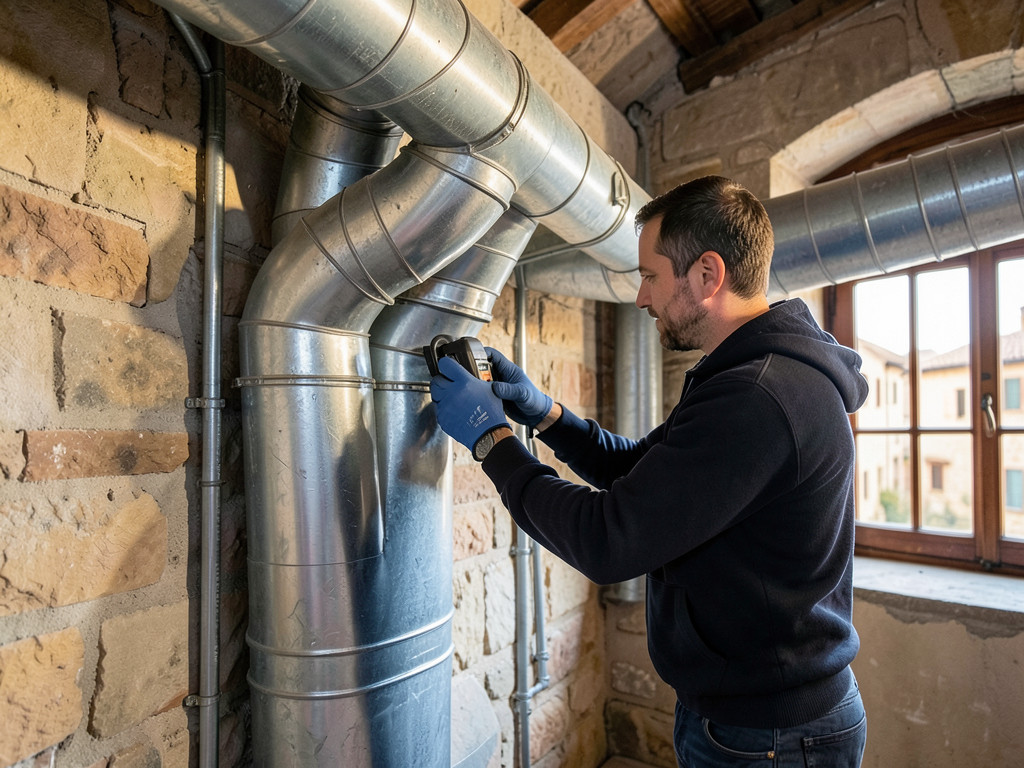
Photo of a technician installing a smart thermostat and control panel in an Italian Village loft showing the integration with existing ductwork.
Common Zoning Solutions for Loft Layouts
Open-concept living areas require special consideration. These spaces often need higher cooling capacity due to solar gain and occupancy. A dedicated zone for your main living area ensures comfort during gatherings while allowing you to turn off conditioning in bedrooms during the day.
Kitchen zones present unique challenges. Cooking generates heat and moisture that can overwhelm standard cooling. A kitchen-specific zone with higher capacity and dedicated ventilation keeps this area comfortable without overcooling the rest of your loft.
Bedroom zoning improves sleep quality. These spaces often need different temperatures than living areas especially in multi-level lofts where heat rises. Individual bedroom zones let each occupant set their preferred temperature without affecting other areas.
Home office zones address the growing trend of remote work. These spaces often need consistent temperatures throughout the day unlike bedrooms that cool down at night. A dedicated office zone maintains productivity-enhancing conditions while allowing other areas to adjust based on occupancy.
Multi-level zoning solves the classic hot second floor problem. Heat naturally rises making upper levels uncomfortable in summer. Separate zones for each level allow independent temperature control eliminating the 5-10 degree differences common in traditional systems.
Sunroom or patio additions often become comfort problem areas. These spaces gain significant solar heat and may have different insulation levels than the main structure. A dedicated zone ensures these areas stay comfortable without affecting the rest of your loft.
Guest bedroom zones offer flexibility. Keep these spaces unconditioned until needed then quickly bring them to comfort levels when visitors arrive. This approach saves energy while ensuring hospitality when required.
Art studio or hobby room zones address specific environmental needs. These spaces might require stable temperatures for materials or equipment. A dedicated zone maintains optimal conditions without compromising comfort in other areas.
Installation considerations vary by layout. Open floor plans might need fewer zones but more sophisticated control logic. Multi-level units benefit from strategic sensor placement to account for natural convection patterns. Historic buildings might require creative damper placement to preserve architectural integrity.
Before and after thermal imaging showing temperature distribution improvements after zone control installation in a Columbus loft.
Our Installation Process for Italian Village Lofts
Every successful zone control installation starts with a comprehensive evaluation. Our technicians assess your existing HVAC system measure airflow rates and analyze your loft’s thermal characteristics. This diagnostic process identifies the optimal number and location of zones for your specific space.
System design follows evaluation. We create a detailed plan showing damper locations thermostat placement and control panel integration. The design accounts for your loft’s unique features including ceiling heights window placement and existing ductwork configuration. We provide a clear proposal with timeline and investment requirements.
Installation typically spans two to three days. Day one focuses on system evaluation and preparation. Our team protects your finishes establishes work areas and begins installing control wiring. We minimize disruption to your daily routine while ensuring thorough professional work.
Day two involves damper installation and system integration. Our technicians install motorized dampers at strategic locations connect control wiring and integrate the new components with your existing HVAC equipment. We test each component individually before system-wide testing.
Final commissioning occurs on day three. We program your control panel configure smart thermostats and calibrate the system for your specific comfort preferences. Our team walks you through operation answers questions and ensures you’re comfortable with the new system.
Testing validates system performance. We verify proper airflow in each zone check temperature differentials and confirm humidity control. Our technicians use specialized tools to measure static pressure ensuring your system operates within manufacturer specifications.
Training ensures you maximize your investment. We demonstrate smartphone control explain scheduling features and show you how to monitor system performance. Our goal is for you to feel confident operating your new zone control system.
Follow-up support continues after installation. We check system performance at one week and one month making adjustments as needed. Our technicians remain available for questions and can often resolve issues remotely through the system’s connectivity features.
Maintenance requirements differ from traditional systems. Zone control systems need regular damper inspection control panel updates and calibration checks. We offer maintenance agreements that include these services ensuring optimal performance year after year.
Energy monitoring helps you track savings. Many zone control systems provide detailed energy usage reports showing you exactly how much you’re saving compared to your previous setup. This data helps you optimize settings for maximum efficiency.
Emergency support provides peace of mind. Should issues arise our Columbus-based technicians can often diagnose and resolve problems quickly. The system’s connectivity means we can sometimes fix issues without requiring an on-site visit.
Energy Savings and Return on Investment
Zone control systems typically reduce HVAC energy consumption by 20-30%. In Columbus where heating and cooling costs average $2,400 annually for a typical loft that translates to $480-720 in annual savings. The investment often pays for itself within three to five years through utility savings alone.
Peak demand reduction provides additional savings. AEP Ohio’s time-of-use rates charge premium prices during afternoon hours when cooling demand peaks. Zone control lets you precool during off-peak hours then maintain comfort with minimal energy during expensive periods.
Equipment longevity improves with zone control. By reducing system cycling and allowing longer more efficient run times zone control decreases wear on compressors motors and other components. This can extend equipment life by 2-3 years delaying expensive replacement costs.
Property value increases often offset installation costs. Modern HVAC systems with zone control represent desirable features for potential buyers. The improved comfort energy efficiency and smart home integration can make your loft more attractive in the competitive Italian Village market.
Maintenance costs decrease over time. Zone control systems often detect developing issues before they become major problems. Early detection of refrigerant leaks airflow restrictions or component wear allows for preventive maintenance that costs less than emergency repairs.
Utility rebates can offset installation costs. AEP Ohio and Columbia Gas occasionally offer rebates for high-efficiency HVAC equipment and smart controls. Our team stays current on available incentives and can help you maximize these opportunities.
Comfort improvements have measurable value. Studies show that thermal comfort directly impacts productivity sleep quality and overall well-being. While harder to quantify than energy savings these quality-of-life improvements represent real returns on your investment.
Resale considerations matter in Italian Village. The neighborhood’s historic character combined with modern amenities creates strong demand. A properly installed zone control system enhances your loft’s appeal without compromising its architectural integrity.
Financing options make zone control accessible. Many Columbus homeowners spread the investment over time through low-interest financing programs. The energy savings often offset monthly payments creating immediate positive cash flow.
Environmental benefits extend beyond personal savings. Reduced energy consumption means lower carbon emissions and decreased strain on the power grid. For environmentally conscious homeowners these factors add value beyond financial returns.
Smart Thermostat Integration and Advanced Features
Modern zone control systems integrate seamlessly with smart thermostats. These devices learn your patterns adjust automatically and provide detailed energy usage data. Integration with voice assistants allows hands-free control while smartphone apps let you manage your system from anywhere.
Geofencing technology enhances convenience. Your system can detect when you’re approaching home and begin conditioning occupied zones. When everyone leaves it automatically adjusts to energy-saving settings. This automation eliminates the need to remember to adjust thermostats manually.
Weather integration optimizes performance. Smart systems factor in outdoor temperature humidity and forecast data when making control decisions. The system might precool during mild evenings to reduce afternoon cooling loads or adjust humidity control based on outdoor conditions.
Room sensors provide granular control. These devices measure temperature and occupancy in specific areas allowing the system to direct conditioning where needed most. In open lofts sensors help the system understand actual usage patterns rather than relying on single thermostat readings.
Energy monitoring provides detailed insights. Smart systems track energy consumption by zone time of day and equipment type. This data helps you understand usage patterns and identify opportunities for additional savings. Many homeowners discover surprising energy drains they can address.
Integration with other smart home devices creates comprehensive automation. Your system can work with smart blinds to block solar heat gain adjust lighting based on occupancy or coordinate with whole-house fans for natural cooling when conditions permit.
Voice control adds convenience. Commands like set bedroom to 68 degrees or turn off living room zone make operation intuitive. Voice integration particularly benefits guests or family members who might struggle with complex control interfaces.
Remote diagnostics improve service efficiency. When issues arise your technician can often identify and sometimes resolve problems without an on-site visit. This reduces downtime and can prevent minor issues from becoming major repairs.
Software updates keep your system current. Manufacturers regularly add features and improve algorithms through over-the-air updates. Your system can gain new capabilities years after installation extending its useful life and value.
Security features protect your investment. Modern smart thermostats include encryption access controls and regular security updates. These protections prevent unauthorized access while ensuring your system remains reliable and secure.
Maintenance and Long-Term Care
Zone control systems require specific maintenance procedures different from traditional HVAC. Regular damper inspection ensures proper operation as these moving parts can accumulate dust or develop mechanical issues over time. Annual professional maintenance includes damper testing lubrication and calibration.
Control panel software needs periodic updates. Manufacturers release updates that improve performance add features or address security issues. These updates often happen automatically but should be verified during maintenance visits to ensure your system has the latest capabilities.
Thermostat calibration maintains accuracy. Over time temperature sensors can drift causing comfort issues or energy waste. Professional calibration ensures each zone maintains its target temperature within one degree providing consistent comfort throughout your loft.
Air filter maintenance becomes more critical with zone control. The system’s ability to direct airflow means dirty filters can create pressure imbalances that affect performance. Regular filter changes typically every 60-90 days keep your system operating efficiently.
Duct inspection identifies developing issues. Zone control systems can mask ductwork problems that might be obvious in single-zone setups. Professional inspection every two years catches leaks insulation issues or structural problems before they impact comfort or efficiency.
Bypass duct maintenance prevents pressure problems. These components relieve excess pressure when zones close but can become restricted by debris or mechanical issues. Annual inspection ensures proper operation and prevents system damage.
Humidity control maintenance matters in Columbus’s humid climate. Dehumidification components need cleaning and calibration to maintain effectiveness. This becomes especially important in basement or ground-level zones where moisture infiltration occurs.
Zone-specific issues require targeted attention. A zone that consistently runs longer than others might indicate airflow restrictions insulation problems or equipment issues. Professional diagnosis identifies the root cause rather than just treating symptoms.
Seasonal adjustments optimize performance. Your system’s needs change between heating and cooling seasons. Professional tuning ensures proper changeover procedures and optimal settings for each season’s specific challenges.
Emergency preparedness planning protects your investment. Understanding how your system behaves during power outages or equipment failures helps you respond appropriately. Many modern systems include battery backup for critical controls maintaining essential functions during brief outages.
Frequently Asked Questions
How much does zone control installation cost for an Italian Village loft?
Installation costs vary based on your loft’s size existing HVAC system and desired features. Most Italian Village installations range from $3,500 to $7,500. This includes evaluation equipment installation and initial programming. Smart thermostat integration adds $300-500 to the investment.
Will zone control work with my existing HVAC system?
Most modern HVAC systems can accommodate zone control with appropriate modifications. Our technicians evaluate your specific equipment to determine compatibility. Systems less than 15 years old typically integrate well while older equipment might require upgrades for optimal performance.
How long does installation take?
Most installations require two to three days. The first day involves evaluation and preparation. Installation occurs on day two with final commissioning and testing on day three. Complex layouts or historic buildings might require additional time for careful integration.
Can I install zone control myself?
Zone control installation requires specialized knowledge of HVAC systems electrical work and building codes. Improper installation can damage equipment create safety hazards or void warranties. Professional installation ensures proper operation code compliance and manufacturer warranty protection.
Will zone control reduce my energy bills?
Most homeowners see 20-30% reductions in HVAC energy consumption. Actual savings depend on your usage patterns local utility rates and how effectively you utilize the zoning features. Many customers recover their investment within three to five years through utility savings alone.
What happens if a zone fails?
Modern zone control systems include fail-safe features. If a zone fails the system typically defaults to safe operation either maintaining the failed zone at a neutral temperature or shutting down to prevent damage. Control panels alert you to issues and many problems can be diagnosed and resolved remotely.
Does zone control work with mini-splits or other non-ducted systems?
Traditional zone control requires ductwork but many ductless mini-split systems offer built-in zone capabilities. These systems use multiple indoor units controlled independently achieving similar results without ductwork. We can evaluate your specific situation and recommend the best approach. Ductless Mini-Split Systems.
How do I control my zones?
Modern systems offer multiple control options. Each zone typically has its own thermostat with central control available through a main panel. Smartphone apps provide remote access while voice control through assistants like Alexa or Google Home offers hands-free operation. You can control zones individually or as groups.
Will zone control affect my home’s resale value?
Zone control typically enhances resale appeal by offering modern comfort energy efficiency and smart home integration. These features appeal to buyers seeking updated systems without compromising historic character. The investment often returns through both utility savings and increased property value.
What maintenance does zone control require?
Zone control systems need annual professional maintenance including damper inspection control panel updates and calibration. Air filters require replacement every 60-90 days. Many homeowners find that the improved monitoring helps them stay on top of maintenance more effectively than with traditional systems. For more information, visit IICRC.
{
“@context”: “https://schema.org”,
“@type”: “BlogPosting”,
“headline”: “Keeping Your Italian Village Loft Cool with Modern Zone Control Systems”,
“description”: “Solve comfort issues in your Italian Village loft with zone control systems. Learn how modern HVAC zoning reduces energy costs and improves comfort in historic Columbus buildings.”,
“wordCount”: 3568,
“datePublished”: “2026-03-09T14:00:00.000Z”,
“dateModified”: “2026-03-09T14:00:00.000Z”,
“inLanguage”: “en-US”,
“mainEntityOfPage”: {
“@type”: “WebPage”,
“@id”: “https://grandhvaccolumbus.com”
},
“publisher”: {
“@type”: “LocalBusiness”,
“name”: “Grand HVAC Columbus”,
“url”: “https://grandhvaccolumbus.com”
},
“author”: {
“@type”: “Organization”,
“name”: “Grand HVAC Columbus”,
“url”: “https://grandhvaccolumbus.com”
},
“image”: {
“@type”: “ImageObject”,
“url”: “https://grandhvaccolumbus.com/wp-content/uploads/2026/03/keeping-your-italian-village-loft-cool-with-modern-1.png”
}
}
{
“@context”: “https://schema.org”,
“@type”: “HVACBusiness”,
“name”: “Grand HVAC Columbus”,
“url”: “https://grandhvaccolumbus.com”,
“address”: {
“@type”: “PostalAddress”,
“addressLocality”: “Columbus”
},
“areaServed”: {
“@type”: “City”,
“name”: “Columbus”
}
}
{
“@context”: “https://schema.org”,
“@type”: “FAQPage”,
“mainEntity”: [
{
“@type”: “Question”,
“name”: “How much does zone control installation cost for an Italian Village loft?”,
“acceptedAnswer”: {
“@type”: “Answer”,
“text”: “Installation costs vary based on your loft’s size existing HVAC system and desired features. Most Italian Village installations range from $3,500 to $7,500. This includes evaluation equipment installation and initial programming. Smart thermostat integration adds $300-500 to the investment.”
}
},
{
“@type”: “Question”,
“name”: “Will zone control work with my existing HVAC system?”,
“acceptedAnswer”: {
“@type”: “Answer”,
“text”: “Most modern HVAC systems can accommodate zone control with appropriate modifications. Our technicians evaluate your specific equipment to determine compatibility. Systems less than 15 years old typically integrate well while older equipment might require upgrades for optimal performance.”
}
},
{
“@type”: “Question”,
“name”: “How long does installation take?”,
“acceptedAnswer”: {
“@type”: “Answer”,
“text”: “Most installations require two to three days. The first day involves evaluation and preparation. Installation occurs on day two with final commissioning and testing on day three. Complex layouts or historic buildings might require additional time for careful integration.”
}
},
{
“@type”: “Question”,
“name”: “Can I install zone control myself?”,
“acceptedAnswer”: {
“@type”: “Answer”,
“text”: “Zone control installation requires specialized knowledge of HVAC systems electrical work and building codes. Improper installation can damage equipment create safety hazards or void warranties. Professional installation ensures proper operation code compliance and manufacturer warranty protection.”
}
},
{
“@type”: “Question”,
“name”: “Will zone control reduce my energy bills?”,
“acceptedAnswer”: {
“@type”: “Answer”,
“text”: “Most homeowners see 20-30% reductions in HVAC energy consumption. Actual savings depend on your usage patterns local utility rates and how effectively you utilize the zoning features. Many customers recover their investment within three to five years through utility savings alone.”
}
},
{
“@type”: “Question”,
“name”: “What happens if a zone fails?”,
“acceptedAnswer”: {
“@type”: “Answer”,
“text”: “Modern zone control systems include fail-safe features. If a zone fails the system typically defaults to safe operation either maintaining the failed zone at a neutral temperature or shutting down to prevent damage. Control panels alert you to issues and many problems can be diagnosed and resolved remotely.”
}
},
{
“@type”: “Question”,
“name”: “Does zone control work with mini-splits or other non-ducted systems?”,
“acceptedAnswer”: {
“@type”: “Answer”,
“text”: “Traditional zone control requires ductwork but many ductless mini-split systems offer built-in zone capabilities. These systems use multiple indoor units controlled independently achieving similar results without ductwork. We can evaluate your specific situation and recommend the best approach. Ductless Mini-Split Systems.”
}
},
{
“@type”: “Question”,
“name”: “How do I control my zones?”,
“acceptedAnswer”: {
“@type”: “Answer”,
“text”: “Modern systems offer multiple control options. Each zone typically has its own thermostat with central control available through a main panel. Smartphone apps provide remote access while voice control through assistants like Alexa or Google Home offers hands-free operation. You can control zones individually or as groups.”
}
},
{
“@type”: “Question”,
“name”: “Will zone control affect my home’s resale value?”,
“acceptedAnswer”: {
“@type”: “Answer”,
“text”: “Zone control typically enhances resale appeal by offering modern comfort energy efficiency and smart home integration. These features appeal to buyers seeking updated systems without compromising historic character. The investment often returns through both utility savings and increased property value.”
}
},
{
“@type”: “Question”,
“name”: “What maintenance does zone control require?”,
“acceptedAnswer”: {
“@type”: “Answer”,
“text”: “Zone control systems need annual professional maintenance including damper inspection control panel updates and calibration. Air filters require replacement every 60-90 days. Many homeowners find that the improved monitoring helps them stay on top of maintenance more effectively than with traditional systems. For more information, visit IICRC.”
}
}
]
}
{
“@context”: “https://schema.org”,
“@type”: “BreadcrumbList”,
“itemListElement”: [
{
“@type”: “ListItem”,
“position”: 1,
“name”: “Home”,
“item”: “https://grandhvaccolumbus.com”
},
{
“@type”: “ListItem”,
“position”: 2,
“name”: “Blog”,
“item”: “https://grandhvaccolumbus.com/blog”
},
{
“@type”: “ListItem”,
“position”: 3,
“name”: “Keeping Your Italian Village Loft Cool with Modern Zone Control Systems”
}
]
}
{
“@context”: “https://schema.org”,
“@type”: “Service”,
“serviceType”: “HVAC”,
“provider”: {
“@type”: “LocalBusiness”,
“name”: “Grand HVAC Columbus”,
“url”: “https://grandhvaccolumbus.com”
},
“areaServed”: {
“@type”: “City”,
“name”: “Columbus”
},
“description”: “Solve comfort issues in your Italian Village loft with zone control systems. Learn how modern HVAC zoning reduces energy costs and improves comfort in historic Columbus buildings.”
}