How to Tell if Your Obetz Furnace is Just Old or Actually Dangerous
Your furnace is making strange noises. The pilot light flickers yellow instead of blue. You notice a slight headache every morning that disappears once you leave the house. These are not just annoying quirks of an aging heating system. They could be warning signs that your furnace has become a serious safety hazard for your Obetz home.. Read more about The Difference Between a Furnace Tune Up and a Full Safety Inspection in Commercial Point.
Central Ohio winters put tremendous stress on heating systems. The combination of sub-zero temperatures, high humidity, and the age of many homes in the Obetz area creates a perfect storm for furnace failures. What starts as a simple efficiency problem can quickly escalate into a carbon monoxide leak or a complete system breakdown when you need heat the most.. Read more about How to Switch from Oil to Gas Heating in Your Older Eastmoor Home.
Understanding the difference between normal aging and dangerous conditions is critical for every homeowner. A furnace that’s just old might cost you more on your energy bills. A furnace that’s dangerous could cost you your health or even your life. This guide will help you identify the warning signs that mean your furnace needs immediate professional attention, not just routine maintenance. The Honest Guide to Replacing Your Upper Arlington Furnace This Winter.
Understanding Furnace Age vs. Furnace Danger
The average furnace in Obetz homes ranges from 15 to 25 years old. Many were installed during the housing boom of the 1970s and 1980s when the area saw rapid development. These systems were built to last, but they weren’t built to last forever. The question isn’t whether your furnace is getting old. The question is whether it’s still operating safely.
Age alone doesn’t make a furnace dangerous. Many systems continue to operate efficiently well beyond their expected lifespan with proper maintenance. However, certain components degrade over time in ways that create safety hazards. The heat exchanger, which separates the combustion process from your home’s air, becomes brittle with age. Small cracks can develop that allow carbon monoxide to leak into your living spaces.
The climate in Obetz accelerates this wear. Our freeze-thaw cycles cause metal components to expand and contract repeatedly. High humidity levels during summer months can lead to corrosion when the system sits idle. The clay soil common in Franklin County can affect foundation settling, which may stress gas lines and exhaust vents. These local factors mean Obetz furnaces often face unique challenges compared to systems in other regions.
Critical Warning Signs Your Furnace Needs Immediate Attention
Carbon monoxide poisoning is often called the silent killer because the gas is colorless, odorless, and tasteless. Your furnace could be leaking CO into your home right now without you knowing it. The symptoms mimic common illnesses – headaches, dizziness, nausea, and fatigue. Many people mistake these warning signs for the flu or seasonal allergies.
Yellow or flickering flames in your furnace indicate incomplete combustion. A healthy gas burner produces a steady blue flame. Yellow flames suggest the burner is not getting enough oxygen or is contaminated with dirt and debris. This condition produces more carbon monoxide and reduces heating efficiency. If you notice yellow flames, your furnace needs immediate professional service. Why Your Westerville AC Needs a Tune Up Before the Humidity Hits.
Soot accumulation around your furnace or on walls near vents is another red flag. Soot is a byproduct of incomplete combustion and indicates your system is not burning fuel efficiently. Excessive soot can also be a fire hazard and suggests your heat exchanger may have cracks allowing combustion byproducts to escape into your home’s air circulation.
Strange noises from your furnace often indicate mechanical problems that could lead to dangerous failures. Banging sounds might mean delayed ignition, which can cause small explosions inside the combustion chamber. Screeching noises suggest failing bearings in the blower motor. Rattling could indicate loose panels that might allow carbon monoxide to escape.
The Heat Exchanger: Your Furnace’s Most Critical Safety Component
The heat exchanger is the heart of your furnace’s safety system. This metal chamber separates the hot combustion gases from the air that circulates through your home. When it’s working correctly, it transfers heat efficiently while keeping dangerous gases contained. When it develops cracks, it becomes a direct pathway for carbon monoxide to enter your living spaces.
Heat exchangers typically fail due to metal fatigue. The constant heating and cooling cycles cause the metal to expand and contract thousands of times per year. Over time, this creates stress points that can crack. In Obetz homes, where furnaces often run continuously during cold snaps, this wear happens faster than in milder climates. Where to Find 24 Hour Emergency HVAC Help Anywhere in Columbus.
Cracks in heat exchangers are often microscopic at first. They might be too small to see with the naked eye but large enough to allow carbon monoxide to leak through. Professional technicians use specialized tools like combustion analyzers and infrared cameras to detect these tiny cracks. Visual inspection alone is not sufficient to guarantee safety.
According to the EPA guidelines on carbon monoxide safety, any furnace with a cracked heat exchanger should be immediately shut down and replaced. The risk of carbon monoxide poisoning is too great to continue operating a compromised system, even if it seems to be working normally.
Carbon Monoxide: The Invisible Threat in Your Home
Carbon monoxide is produced whenever fuel burns incompletely. Your furnace, water heater, fireplace, and even your gas stove can produce CO if they’re not operating correctly. However, your furnace poses the greatest risk because it runs for extended periods and moves large volumes of air through your home.
The symptoms of CO poisoning are subtle and often mistaken for other conditions. Low-level exposure causes headaches, dizziness, weakness, and nausea. These symptoms typically improve when you leave the house and return when you come back. If multiple family members experience similar symptoms that disappear when away from home, carbon monoxide should be suspected.. Read more about What Columbus Home Buyers Should Look for During an HVAC Inspection.
Children, elderly people, and those with respiratory conditions are more vulnerable to CO poisoning. Pets may show symptoms before humans because they’re closer to the floor where CO concentrations can be higher. A family dog that seems unusually lethargic or a cat that vomits frequently might be reacting to carbon monoxide exposure.
Every Obetz home with gas appliances should have working carbon monoxide detectors installed. The Ohio Fire Code requires CO detectors in homes with fuel-burning appliances. Detectors should be placed near sleeping areas and on every level of your home. Test them monthly and replace batteries annually. A detector that’s more than 5-7 years old may not function properly and should be replaced.
Gas Line Safety: Another Critical Concern
Beyond carbon monoxide risks, your furnace’s gas supply system can create other hazards. Natural gas leaks, while less common than CO issues, pose immediate explosion risks. The mercaptan added to natural gas gives it a distinctive rotten egg smell, but small leaks might not produce enough odor for you to detect. Troubleshooting AC Issues.
Older gas lines in Obetz homes may have been installed decades ago using materials and techniques that don’t meet current safety standards. Flexible gas connectors can deteriorate over time. Threaded connections can loosen. Even minor gas leaks waste money and create safety hazards that compound over time.
If you smell gas in your home, evacuate immediately. Don’t operate any electrical switches or use your phone until you’re outside. Call your gas utility from a neighbor’s house or use your cell phone away from the building. Gas companies provide emergency response 24/7 for suspected leaks.
Regular inspection of gas lines and connections is part of professional furnace maintenance. Technicians use specialized leak detectors that can identify gas concentrations too low for human detection. They also check for proper gas pressure and ensure all connections meet current code requirements.
Electrical Safety Concerns in Older Furnaces
While gas-related hazards get more attention, electrical problems in furnaces can also create serious safety risks. Older furnaces may have wiring that’s degraded from heat exposure, rodents, or simple age. Faulty wiring can cause electrical fires or create short circuits that damage expensive control components.
The blower motor in your furnace runs on high-voltage electricity and operates in a dusty environment. Over time, dust accumulation can create fire hazards or cause the motor to overheat. Bearings wear out, causing the motor to draw excess current and potentially start an electrical fire.
Modern furnaces include multiple safety switches that shut down the system if dangerous conditions are detected. These include limit switches that monitor temperature, pressure switches that verify proper venting, and flame sensors that confirm ignition. If these safety devices are malfunctioning, your furnace might continue operating in unsafe conditions.
Professional technicians test all safety controls during maintenance visits. They verify that emergency shut-off switches work correctly and that the system will shut down if it overheats or if the flame goes out unexpectedly. This testing is crucial for preventing both fire hazards and carbon monoxide leaks.
Obetz’s Unique Climate Challenges
Obetz experiences some of the most extreme temperature swings in Ohio. Winter temperatures can drop below zero, while summer heat often exceeds 90 degrees. This 100-degree annual temperature range creates tremendous stress on heating systems that must operate reliably during the coldest months.
The village’s location in the Scioto River valley affects local weather patterns. Cold air tends to settle in low areas, making some parts of Obetz experience colder temperatures than surrounding areas. This means furnaces in valley locations may run longer and experience more wear than identical systems in slightly higher elevations.
Humidity levels in Obetz also impact furnace operation. High summer humidity can lead to condensation in vent pipes and heat exchangers when the system first starts in fall. This moisture can accelerate corrosion and create conditions where mold grows in the system, affecting both efficiency and indoor air quality. Improving the Air Quality in Your Older Clintonville Home.
Many Obetz homes were built during periods of rapid development when building codes were less stringent than today. These older systems may not have the safety features required in modern installations. They might lack proper venting, adequate combustion air supply, or modern flame rollout protection.
Age-Related Issues That Signal It’s Time to Replace
Not every old furnace is dangerous, but age creates patterns of problems that indicate when replacement makes more sense than continued repairs. If your furnace requires multiple service calls each year, the cumulative cost and inconvenience often justify replacement with a new, safer, more efficient system.
Energy bills that creep higher each year despite consistent usage patterns suggest your furnace is losing efficiency. As components wear out, the system must run longer to produce the same amount of heat. This extended operation increases the risk of component failure and can lead to unsafe operating conditions.
Uneven heating throughout your home often indicates your furnace is struggling to maintain proper airflow. This could be due to a failing blower motor, clogged heat exchanger, or deteriorating ductwork. When a furnace can’t distribute heat effectively, it may run continuously, increasing the risk of overheating and component failure.
Difficulty starting your furnace, especially on cold mornings, suggests ignition system problems. Delayed ignition can cause small explosions in the combustion chamber, damaging the heat exchanger and creating both safety hazards and efficiency problems. If your furnace takes multiple attempts to start, it needs professional evaluation.
The Cost of Waiting Too Long
Many homeowners wait until their furnace completely fails before replacing it. This approach often leads to emergency replacements during the coldest weeks of winter when contractors are busiest and prices are highest. More importantly, it means living with a system that could be creating safety hazards for months or years.
A furnace that’s allowed to operate with a cracked heat exchanger continues producing carbon monoxide. Each day of operation increases the total exposure for your family. Children and elderly family members are especially vulnerable to the cumulative effects of low-level carbon monoxide exposure.
Minor problems that could be addressed with simple repairs often escalate into major failures when ignored. A small crack in a heat exchanger grows larger over time. Electrical connections that arc slightly can cause fires. Gas leaks that start small can become dangerous if the system continues operating under stress.
The financial cost of emergency service calls during winter storms often exceeds the cost of planned replacement. When your furnace fails on a sub-zero night, you’re not just paying for the repair. You’re paying for emergency service rates, after-hours charges, and the inconvenience of living without heat while waiting for parts.
Professional Safety Inspection: What We Check
A comprehensive furnace safety inspection goes far beyond basic maintenance. Our technicians perform a systematic evaluation of every safety-critical component to ensure your system is operating within safe parameters. This inspection is particularly important for older Obetz homes where systems may have been modified or repaired multiple times over decades.
We start with carbon monoxide testing at multiple locations around your furnace and throughout your home. Using professional-grade detectors, we measure CO levels that might be too low for store-bought alarms to detect but still pose health risks. We also test for natural gas leaks using specialized equipment that can identify concentrations as low as 10 parts per million.
The heat exchanger inspection is perhaps the most critical safety check. We use high-resolution cameras and sometimes even borescopes to examine every surface of the heat exchanger for cracks, corrosion, or signs of metal fatigue. Even tiny cracks can allow carbon monoxide to leak, so we document and measure any damage we find.
Combustion analysis tells us whether your furnace is burning fuel efficiently and safely. We measure oxygen levels, carbon dioxide, and carbon monoxide in the flue gases. Improper combustion ratios can indicate problems with the burner, heat exchanger, or gas supply that create both safety hazards and efficiency problems.
Safety control testing verifies that all emergency shut-off systems work correctly. We test limit switches, pressure switches, and flame sensors to ensure they’ll shut down the furnace if dangerous conditions develop. We also verify that your thermostat is functioning correctly and that all wiring connections are secure and properly insulated.
Making the Decision: Repair or Replace?
Deciding whether to repair or replace a furnace involves balancing safety, efficiency, and cost considerations. A system that’s dangerous should always be replaced, regardless of its age or repair costs. However, many situations fall into gray areas where the right choice depends on your specific circumstances.
Consider replacement if your furnace is over 15 years old and needs major repairs. The efficiency gains from modern systems often offset the replacement cost within a few years through energy savings. New furnaces also include safety features that weren’t available when older systems were manufactured.
Minor repairs might be worthwhile for younger systems or if you plan to sell your home soon. However, if repair costs exceed 30% of replacement cost, replacement often makes more financial sense. This is especially true when energy savings, warranty coverage, and improved comfort are factored into the decision.
Safety should always be the primary consideration. If inspection reveals a cracked heat exchanger or other serious safety issues, replacement isn’t optional. The risk to your family’s health outweighs any potential savings from repair. Modern high-efficiency furnaces also provide better humidity control and more consistent heating than older models.
Protecting Your Family This Winter
Don’t wait for your furnace to show obvious signs of failure before having it inspected. Many dangerous conditions develop gradually and may not be apparent until they cause serious problems. A professional safety inspection before the heating season begins can identify issues while they’re still minor and prevent emergency breakdowns during winter storms.
Install carbon monoxide detectors if you don’t have them. Test existing detectors to ensure they’re working correctly. Replace any detectors that are more than 5-7 years old, as their sensors degrade over time. Place detectors near sleeping areas and on every level of your home.
Pay attention to the warning signs discussed in this guide. Yellow flames, soot accumulation, strange noises, and unexplained health symptoms should never be ignored. These are your furnace’s way of telling you something is wrong. Early intervention can prevent dangerous situations from developing.
Consider a maintenance agreement with a reputable HVAC company. Regular professional maintenance not only improves efficiency and extends equipment life but also ensures that safety systems are tested and functioning correctly. Many dangerous conditions can be caught during routine maintenance before they become serious hazards.
Frequently Asked Questions
How often should I have my furnace inspected for safety?
Annual safety inspections are recommended for all furnaces, regardless of age. For older systems or those over 10 years old, consider bi-annual inspections to catch developing problems early. Inspections should be performed by qualified technicians who use proper testing equipment for carbon monoxide and gas leaks.
Can I perform my own furnace safety checks?
While you can perform basic visual inspections and change filters, professional safety testing requires specialized equipment and training. Carbon monoxide detectors used by professionals are more sensitive than consumer models. Technicians also have the expertise to identify subtle signs of problems that untrained homeowners might miss.
What’s the most dangerous furnace problem?
A cracked heat exchanger is the most dangerous because it can allow carbon monoxide to leak into your home’s air supply. This gas is odorless, colorless, and can cause serious illness or death. Heat exchanger cracks often develop gradually and may not be visible without specialized inspection tools.
How much does a furnace safety inspection cost?
Professional furnace safety inspections typically cost between $75 and $200, depending on the thoroughness of the inspection and your location. This cost is minimal compared to the potential expense of emergency repairs or the health risks of operating an unsafe system. Many companies offer free inspections with maintenance agreements.
How long does a furnace safety inspection take?
A comprehensive safety inspection typically takes 60 to 90 minutes. This allows time for thorough testing of all safety systems, combustion analysis, and detailed examination of critical components. Rush inspections that take less than 45 minutes may not adequately evaluate all safety aspects of your system.
Take Action Today
Your family’s safety depends on a properly functioning furnace. Don’t wait until cold weather arrives to discover your system has developed dangerous problems over the summer months. A professional safety inspection now can identify issues while they’re still manageable and prevent emergency situations when you need heat the most.
Call (380) 253-3188 today to schedule your comprehensive furnace safety inspection. Our experienced technicians will perform a thorough evaluation of your system, test for carbon monoxide and gas leaks, and provide you with a detailed report of any safety concerns we discover. We serve all of Obetz and the surrounding Columbus area with prompt, professional service.
Don’t gamble with your family’s safety this winter. Pick up the phone and call (380) 253-3188 before the next storm hits. A small investment in professional inspection now can prevent major problems later and give you peace of mind knowing your home is protected from the invisible dangers that aging furnaces can create.
Your furnace works hard to keep your Obetz home warm and comfortable. Make sure it’s not working against you by creating hidden safety hazards. Call (380) 253-3188 today and let our experts ensure your heating system is safe, efficient, and ready for whatever winter brings to Central Ohio.
Remember, the difference between an old furnace and a dangerous one could be the peace of mind that comes from knowing your system has been professionally inspected and certified as safe. Don’t wait for warning signs to become emergencies. Call (380) 253-3188 now to schedule your inspection.
Winter in Obetz doesn’t wait for anyone. Neither should you when it comes to your family’s safety. Call (380) 253-3188 today and let us help you sleep better tonight knowing your furnace isn’t just old – it’s safe.

- Check Carbon Monoxide Detectors
Test all CO detectors monthly and replace batteries annually. Replace detectors every 5-7 years as sensors degrade.
- Inspect Vent Pipes
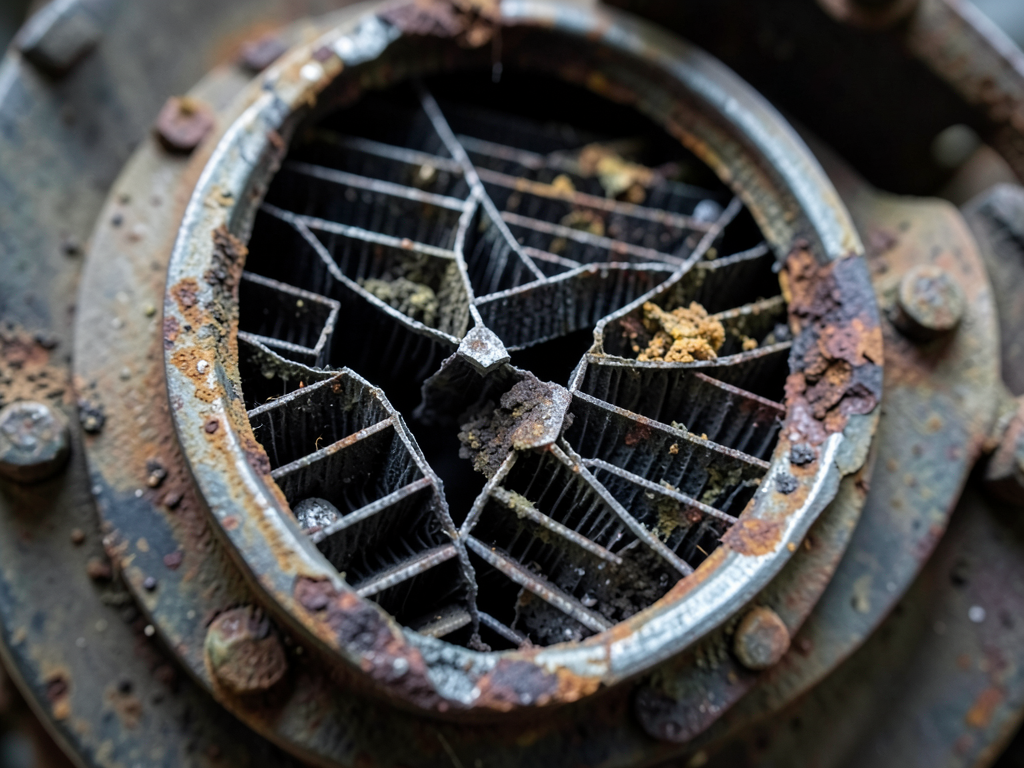
Look for rust, corrosion, or white powdery deposits on vent pipes that indicate moisture problems or improper venting.
- Observe Flame Color
Check that burner flames are steady blue, not yellow or flickering. Yellow flames indicate incomplete combustion and potential CO production.
- Listen for Unusual Noises
Banging, screeching, or rattling sounds suggest mechanical problems that could lead to dangerous failures.
- Check for Soot
Look for soot accumulation around the furnace or on nearby walls, indicating incomplete combustion and potential safety hazards.
{
“@context”: “https://schema.org”,
“@type”: “BlogPosting”,
“headline”: “How to Tell if Your Obetz Furnace is Just Old or Actually Dangerous”,
“description”: “Learn the critical warning signs that separate a simple aging furnace from a dangerous one. Protect your Obetz home from carbon monoxide risks with our expert safety guide.”,
“wordCount”: 3418,
“datePublished”: “2026-03-30T13:03:00.000Z”,
“dateModified”: “2026-03-30T13:03:00.000Z”,
“inLanguage”: “en-US”,
“mainEntityOfPage”: {
“@type”: “WebPage”,
“@id”: “https://grandhvaccolumbus.com”
},
“publisher”: {
“@type”: “LocalBusiness”,
“name”: “Grand HVAC Columbus”,
“url”: “https://grandhvaccolumbus.com”
},
“author”: {
“@type”: “Organization”,
“name”: “Grand HVAC Columbus”,
“url”: “https://grandhvaccolumbus.com”
},
“image”: {
“@type”: “ImageObject”,
“url”: “https://grandhvaccolumbus.com/wp-content/uploads/2026/03/how-to-tell-if-your-obetz-furnace-is-just-old-or-a-1.png”
}
}
{
“@context”: “https://schema.org”,
“@type”: “HVACBusiness”,
“name”: “Grand HVAC Columbus”,
“url”: “https://grandhvaccolumbus.com”,
“address”: {
“@type”: “PostalAddress”,
“addressLocality”: “Columbus”
},
“areaServed”: {
“@type”: “City”,
“name”: “Columbus”
}
}
{
“@context”: “https://schema.org”,
“@type”: “FAQPage”,
“mainEntity”: [
{
“@type”: “Question”,
“name”: “Making the Decision: Repair or Replace?”,
“acceptedAnswer”: {
“@type”: “Answer”,
“text”: “Deciding whether to repair or replace a furnace involves balancing safety, efficiency, and cost considerations. A system that’s dangerous should always be replaced, regardless of its age or repair costs. However, many situations fall into gray areas where the right choice depends on your specific circumstances.”
}
},
{
“@type”: “Question”,
“name”: “How often should I have my furnace inspected for safety?”,
“acceptedAnswer”: {
“@type”: “Answer”,
“text”: “Annual safety inspections are recommended for all furnaces, regardless of age. For older systems or those over 10 years old, consider bi-annual inspections to catch developing problems early. Inspections should be performed by qualified technicians who use proper testing equipment for carbon monoxide and gas leaks.”
}
},
{
“@type”: “Question”,
“name”: “Can I perform my own furnace safety checks?”,
“acceptedAnswer”: {
“@type”: “Answer”,
“text”: “While you can perform basic visual inspections and change filters, professional safety testing requires specialized equipment and training. Carbon monoxide detectors used by professionals are more sensitive than consumer models. Technicians also have the expertise to identify subtle signs of problems that untrained homeowners might miss.”
}
},
{
“@type”: “Question”,
“name”: “What’s the most dangerous furnace problem?”,
“acceptedAnswer”: {
“@type”: “Answer”,
“text”: “A cracked heat exchanger is the most dangerous because it can allow carbon monoxide to leak into your home’s air supply. This gas is odorless, colorless, and can cause serious illness or death. Heat exchanger cracks often develop gradually and may not be visible without specialized inspection tools.”
}
},
{
“@type”: “Question”,
“name”: “How much does a furnace safety inspection cost?”,
“acceptedAnswer”: {
“@type”: “Answer”,
“text”: “Professional furnace safety inspections typically cost between $75 and $200, depending on the thoroughness of the inspection and your location. This cost is minimal compared to the potential expense of emergency repairs or the health risks of operating an unsafe system. Many companies offer free inspections with maintenance agreements.”
}
},
{
“@type”: “Question”,
“name”: “How long does a furnace safety inspection take?”,
“acceptedAnswer”: {
“@type”: “Answer”,
“text”: “A comprehensive safety inspection typically takes 60 to 90 minutes. This allows time for thorough testing of all safety systems, combustion analysis, and detailed examination of critical components. Rush inspections that take less than 45 minutes may not adequately evaluate all safety aspects of your system.”
}
}
]
}
{
“@context”: “https://schema.org”,
“@type”: “HowTo”,
“name”: “How to Perform Basic Furnace Safety Checks”,
“step”: [
{
“@type”: “HowToStep”,
“position”: 1,
“name”: “Check Carbon Monoxide Detectors”,
“text”: “Test all CO detectors monthly and replace batteries annually. Replace detectors every 5-7 years as sensors degrade.”
},
{
“@type”: “HowToStep”,
“position”: 2,
“name”: “Inspect Vent Pipes”,
“text”: “Look for rust, corrosion, or white powdery deposits on vent pipes that indicate moisture problems or improper venting.”
},
{
“@type”: “HowToStep”,
“position”: 3,
“name”: “Observe Flame Color”,
“text”: “Check that burner flames are steady blue, not yellow or flickering. Yellow flames indicate incomplete combustion and potential CO production.”
},
{
“@type”: “HowToStep”,
“position”: 4,
“name”: “Listen for Unusual Noises”,
“text”: “Banging, screeching, or rattling sounds suggest mechanical problems that could lead to dangerous failures.”
},
{
“@type”: “HowToStep”,
“position”: 5,
“name”: “Check for Soot”,
“text”: “Look for soot accumulation around the furnace or on nearby walls, indicating incomplete combustion and potential safety hazards.”
}
],
“image”: “https://grandhvaccolumbus.com/wp-content/uploads/2026/03/how-to-tell-if-your-obetz-furnace-is-just-old-or-a-1.png”
}
{
“@context”: “https://schema.org”,
“@type”: “BreadcrumbList”,
“itemListElement”: [
{
“@type”: “ListItem”,
“position”: 1,
“name”: “Home”,
“item”: “https://grandhvaccolumbus.com”
},
{
“@type”: “ListItem”,
“position”: 2,
“name”: “Blog”,
“item”: “https://grandhvaccolumbus.com/blog”
},
{
“@type”: “ListItem”,
“position”: 3,
“name”: “How to Tell if Your Obetz Furnace is Just Old or Actually Dangerous”
}
]
}
{
“@context”: “https://schema.org”,
“@type”: “Service”,
“serviceType”: “HVAC”,
“provider”: {
“@type”: “LocalBusiness”,
“name”: “Grand HVAC Columbus”,
“url”: “https://grandhvaccolumbus.com”
},
“areaServed”: {
“@type”: “City”,
“name”: “Columbus”
},
“description”: “Learn the critical warning signs that separate a simple aging furnace from a dangerous one. Protect your Obetz home from carbon monoxide risks with our expert safety guide.”
}