What Columbus Home Buyers Should Look for During an HVAC Inspection
Buying a home in Columbus means understanding the unique HVAC challenges our climate brings. From humid summers that push air conditioners to their limits to freezing winters that test furnace reliability, your HVAC system needs to handle Central Ohio’s extreme temperature swings. A thorough inspection before closing can save you thousands in unexpected repairs and ensure your family stays comfortable year-round. Why Your Westerville AC Needs a Tune Up Before the Humidity Hits.
During a professional HVAC inspection in Columbus, technicians check for specific issues that generic home inspectors often miss. They examine heat exchanger integrity for carbon monoxide risks, measure refrigerant levels for optimal efficiency, and assess ductwork insulation against our seasonal temperature extremes. This guide walks you through what matters most when evaluating a home’s heating and cooling systems. The Honest Guide to Replacing Your Upper Arlington Furnace This Winter.
Exterior Unit (Condenser) Inspection Points
The outdoor condenser unit faces constant exposure to Columbus weather. Start by checking the unit’s clearance from the home and any vegetation. Central Ohio’s heavy clay soil can cause units to settle unevenly over time, creating stress on refrigerant lines. Look for at least two feet of clearance on all sides to ensure proper airflow.
Examine the condenser coils for dirt buildup, which reduces efficiency by up to 30%. Columbus summers generate significant pollen and dust that accumulate on coils. The copper refrigerant lines should be insulated where they enter the home – missing insulation causes energy loss and can lead to condensation problems in our humid climate. Where to Find 24 Hour Emergency HVAC Help Anywhere in Columbus.
Check the concrete pad beneath the unit. Our freeze-thaw cycles cause soil expansion and contraction that can crack pads over time. A level unit prevents compressor damage and ensures optimal performance. Listen for unusual noises when the system runs – grinding or rattling sounds indicate failing bearings or loose components.
Interior System (Furnace/Air Handler) Checklist
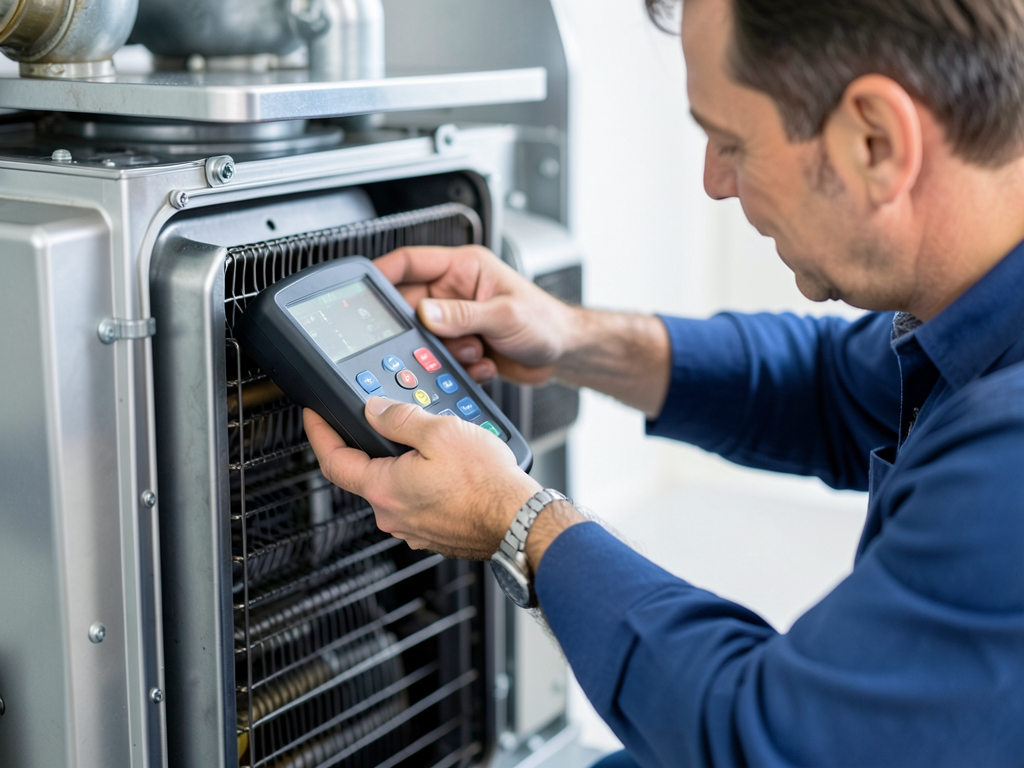
The furnace requires careful inspection for safety reasons. Heat exchangers in older units can develop cracks that allow carbon monoxide to leak into living spaces. A professional technician uses a combustion analyzer to test for proper venting and checks the heat exchanger with a specialized camera. Franklin County building codes require carbon monoxide detectors within 15 feet of all bedrooms when gas appliances are present. Franklin County building codes.
Examine the air filter location and condition. Dirty filters restrict airflow and reduce system efficiency. In Columbus homes, filters should be replaced every 1-3 months depending on household size and pet ownership. Check the blower motor for dust accumulation and listen for smooth operation – a failing motor often produces a high-pitched whine before complete failure.. Read more about The Real Cost of Replacing an R22 Unit in Circleville Before the Coolant is Gone.
Inspect the condensate drain line for clogs. Central Ohio’s humidity means air conditioners produce significant condensation during summer months. A blocked drain can cause water damage to floors and ceilings. The drain should have a proper trap to prevent sewer gases from backing up into the system.. Read more about Why You Should Consider a Whole House Fan for Those Cool Fall Nights in Kilbourne.
Ductwork and Air Quality Assessment
Ductwork inspection reveals hidden problems that affect comfort and efficiency. Look for disconnected joints in accessible areas like basements and crawlspaces. Central Ohio’s temperature extremes cause duct expansion and contraction, loosening connections over time. Check for proper insulation on ducts running through unconditioned spaces – uninsulated ducts in attics can lose up to 30% of heating and cooling energy.. Read more about How to Switch from Oil to Gas Heating in Your Older Eastmoor Home.
Examine vent registers throughout the home. All vents should be open and unobstructed. Closed vents in unused rooms can actually increase energy costs by creating pressure imbalances in the system. Check for dust accumulation around vents, which indicates poor filtration or duct leakage.
Consider indoor air quality testing, especially important in older Columbus homes. Our region’s high pollen counts and dust seasons can aggravate allergies. A professional inspection includes checking for proper ventilation rates and can recommend solutions like HEPA filtration or UV light systems for homes with specific air quality concerns. Improving the Air Quality in Your Older Clintonville Home.
Professional vs. DIY: What Columbus Home Inspectors Look For
Standard home inspectors provide a basic visual assessment, but they miss critical safety and efficiency issues. They typically check if the system turns on and off properly, but cannot test for carbon monoxide leaks, measure refrigerant levels, or assess heat exchanger integrity. These require specialized tools and EPA certification. Troubleshooting AC Issues.
A licensed Columbus HVAC technician performs comprehensive testing including combustion analysis, refrigerant pressure checks, and electrical component testing. They verify proper system sizing for your home’s square footage and insulation levels. Many Columbus homes built between 1970 and 2000 have oversized systems that short-cycle, reducing efficiency and comfort.. Read more about The Difference Between a Furnace Tune Up and a Full Safety Inspection in Commercial Point.
Professional inspections also check for code compliance with Ohio Mechanical Code requirements. This includes proper clearance from combustible materials, adequate return air pathways, and correct venting configurations. Violations can affect insurance coverage and may need correction before closing.
Downloadable PDF Checklist for Columbus Real Estate Transactions
Having a printable checklist helps organize your inspection process. Key items include verifying the system’s age against manufacturer life expectancy (typically 15-20 years for furnaces and 10-15 years for air conditioners), checking for available maintenance records, and confirming warranty status. Many Columbus homeowners qualify for AEP Ohio and Columbia Gas rebates for high-efficiency system upgrades. AEP Ohio rebates.
Document any visible damage or concerns with photos. Note the system’s make, model, and serial number to research specific performance issues common to that equipment. Consider having a second opinion from an independent HVAC contractor if the inspection reveals significant problems.
Request a written inspection report detailing all findings, recommendations, and estimated repair costs. This documentation becomes valuable during price negotiations and helps you budget for future system replacement if needed.
Frequently Asked Questions
How much does a professional HVAC inspection cost in Columbus?
Professional HVAC inspections in Columbus typically range from $150 to $300 depending on system complexity and inspection depth. This cost often pays for itself by identifying issues before closing that could cost thousands to repair.
Should I inspect the HVAC system if the home is new construction?
Yes. Even new construction HVAC systems can have installation errors or manufacturing defects. A final inspection before closing ensures everything was installed correctly and meets current building codes.
What’s the biggest red flag during an HVAC inspection?
Cracked heat exchangers pose the most serious safety risk, potentially allowing carbon monoxide to enter living spaces. Other major concerns include systems over 15 years old with no maintenance records or visible signs of water damage from condensate leaks.
Call (380) 253-3188 today to schedule your inspection
Don’t wait until winter or summer to discover HVAC problems. Call (380) 253-3188 today to schedule a comprehensive inspection before you buy your Columbus home. Our licensed technicians provide detailed reports and honest recommendations to protect your investment.
Pick up the phone and call (380) 253-3188 before the next storm hits. A thorough inspection now can prevent emergency repairs later and ensure your new home’s HVAC system keeps your family comfortable through every Central Ohio season. For more information, visit Columbia Gas rebates.
You may also find this helpful. Stopping That High Pitched Whistling Noise in Your Greater Hilltop Air Vents.
You may also find this helpful. Why Your King-Lincoln Bronzeville Renovation Needs a Low Profile Ductwork Solution.
You may also find this helpful. How to Quiet a Noisy AC Unit Without Breaking Your Tuttle Crossing Condo Association Rules.
You may also find this helpful. How to Stop Your Southern Orchards Crawl Space from Ruining Your Home Air Quality.
You may also find this helpful. Comparing the Best Ultra-Quiet Furnaces for Smaller Homes in Old North Columbus.
You may also find this helpful. The Best Way to Heat a Sunroom or Four Season Porch During a Cold Jersey Winter.
{
“@context”: “https://schema.org”,
“@type”: “BlogPosting”,
“headline”: “What Columbus Home Buyers Should Look for During an HVAC Inspection”,
“description”: “Learn what Columbus home buyers must check during HVAC inspections including local climate factors, safety concerns, and professional testing requirements.”,
“wordCount”: 1188,
“datePublished”: “2026-04-08T15:10:00.000Z”,
“dateModified”: “2026-04-08T15:10:00.000Z”,
“inLanguage”: “en-US”,
“mainEntityOfPage”: {
“@type”: “WebPage”,
“@id”: “https://grandhvaccolumbus.com”
},
“publisher”: {
“@type”: “LocalBusiness”,
“name”: “Grand HVAC Columbus”,
“url”: “https://grandhvaccolumbus.com”
},
“author”: {
“@type”: “Organization”,
“name”: “Grand HVAC Columbus”,
“url”: “https://grandhvaccolumbus.com”
},
“image”: {
“@type”: “ImageObject”,
“url”: “https://grandhvaccolumbus.com/wp-content/uploads/2026/03/what-columbus-home-buyers-should-look-for-during-a-1.png”
}
}
{
“@context”: “https://schema.org”,
“@type”: “HVACBusiness”,
“name”: “Grand HVAC Columbus”,
“url”: “https://grandhvaccolumbus.com”,
“address”: {
“@type”: “PostalAddress”,
“addressLocality”: “Columbus”
},
“areaServed”: {
“@type”: “City”,
“name”: “Columbus”
}
}
{
“@context”: “https://schema.org”,
“@type”: “FAQPage”,
“mainEntity”: [
{
“@type”: “Question”,
“name”: “How much does a professional HVAC inspection cost in Columbus?”,
“acceptedAnswer”: {
“@type”: “Answer”,
“text”: “Professional HVAC inspections in Columbus typically range from $150 to $300 depending on system complexity and inspection depth. This cost often pays for itself by identifying issues before closing that could cost thousands to repair.”
}
},
{
“@type”: “Question”,
“name”: “Should I inspect the HVAC system if the home is new construction?”,
“acceptedAnswer”: {
“@type”: “Answer”,
“text”: “Yes. Even new construction HVAC systems can have installation errors or manufacturing defects. A final inspection before closing ensures everything was installed correctly and meets current building codes.”
}
},
{
“@type”: “Question”,
“name”: “What’s the biggest red flag during an HVAC inspection?”,
“acceptedAnswer”: {
“@type”: “Answer”,
“text”: “Cracked heat exchangers pose the most serious safety risk, potentially allowing carbon monoxide to enter living spaces. Other major concerns include systems over 15 years old with no maintenance records or visible signs of water damage from condensate leaks.”
}
}
]
}
{
“@context”: “https://schema.org”,
“@type”: “BreadcrumbList”,
“itemListElement”: [
{
“@type”: “ListItem”,
“position”: 1,
“name”: “Home”,
“item”: “https://grandhvaccolumbus.com”
},
{
“@type”: “ListItem”,
“position”: 2,
“name”: “Blog”,
“item”: “https://grandhvaccolumbus.com/blog”
},
{
“@type”: “ListItem”,
“position”: 3,
“name”: “What Columbus Home Buyers Should Look for During an HVAC Inspection”
}
]
}
{
“@context”: “https://schema.org”,
“@type”: “Service”,
“serviceType”: “HVAC”,
“provider”: {
“@type”: “LocalBusiness”,
“name”: “Grand HVAC Columbus”,
“url”: “https://grandhvaccolumbus.com”
},
“areaServed”: {
“@type”: “City”,
“name”: “Columbus”
},
“description”: “Learn what Columbus home buyers must check during HVAC inspections including local climate factors, safety concerns, and professional testing requirements.”
}