How to Stop Your Southern Orchards Crawl Space from Ruining Your Home Air Quality
Does your Southern Orchards home have a musty smell that won’t go away? That odor is likely coming from your crawl space. In fact, up to 50% of the air you breathe on your first floor originates from below your home. The stack effect pulls air from your crawl space through flooring and ductwork, carrying mold spores, dust, and moisture into your living areas. This is especially problematic in Southern Orchards where older homes built between 1970 and 2005 often have poorly sealed crawl spaces with inadequate vapor barriers. Where to Find 24 Hour Emergency HVAC Help Anywhere in Columbus.
Columbus’s humid continental climate creates the perfect conditions for crawl space problems. Our clay-heavy soil retains moisture, and seasonal temperature swings cause condensation to form under your home. When warm, humid air from summer months enters a cool crawl space, water droplets form on wood beams and concrete walls. Over time, this moisture feeds mold growth and attracts pests. The result is compromised indoor air quality that can trigger allergies, asthma, and respiratory issues for your family. Improving the Air Quality in Your Older Clintonville Home.
The good news is that you can stop this cycle with targeted HVAC solutions. Whole-home dehumidification systems, proper vapor barriers, and sealed ductwork work together to create a healthier living environment. By addressing the root cause in your crawl space, you’ll not only improve air quality but also reduce energy costs and protect your home’s structural integrity. Let’s explore how to diagnose and fix these common Southern Orchards crawl space issues. Troubleshooting AC Issues.
Understanding the Stack Effect in Your Southern Orchards Home
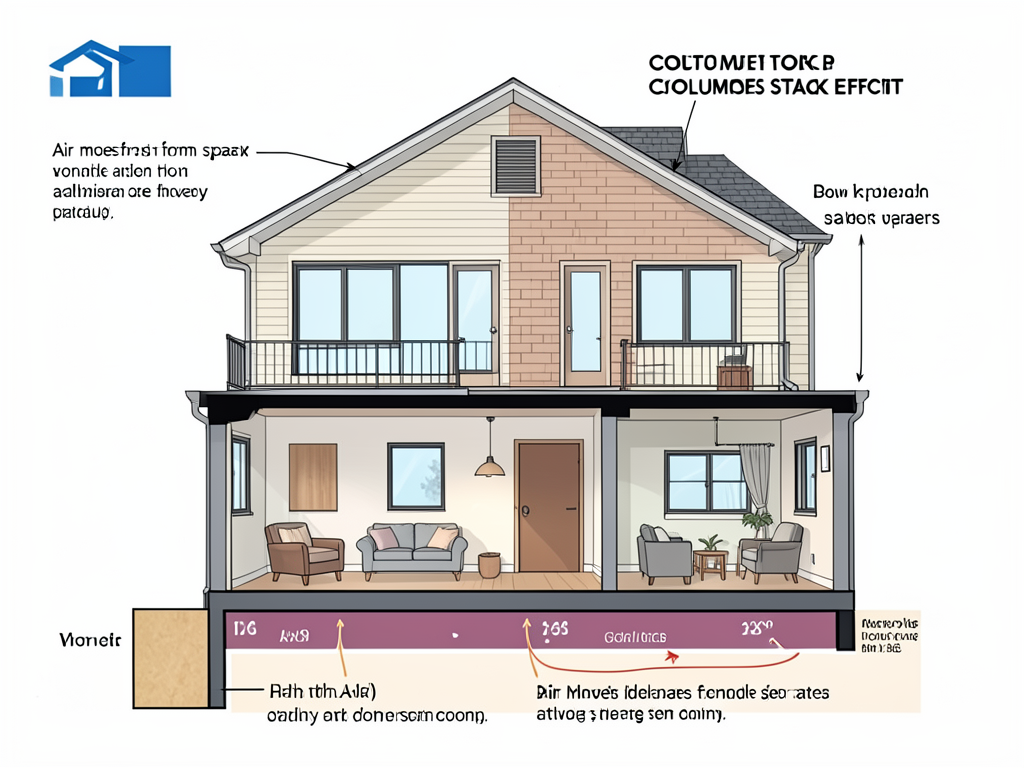
The stack effect describes how air moves through your home. In winter, warm air rises and escapes through upper floors, creating negative pressure that pulls air from your crawl space upward. In summer, the process reverses but remains problematic. This constant air exchange means contaminants from your crawl space continuously enter your living areas.
Franklin County homes face unique challenges due to our soil composition. The heavy clay retains water, creating persistent moisture problems even in well-maintained homes. When humidity levels in your crawl space exceed 55%, mold begins to grow on wood surfaces within 24-48 hours. Many Southern Orchards homes sit on lots with high water tables, especially those near Big Walnut Creek, making moisture management critical.
Common signs of crawl space air quality issues include:
- Musty odors that intensify during humid weather
- Condensation on windows and cold surfaces
- Increased allergy or asthma symptoms indoors
- Damp insulation in floors above the crawl space
- Higher than normal humidity readings on your thermostat
Common Air Quality Issues in Southern Orchards Homes
Columbus’s climate creates specific air quality challenges for homeowners. Our summers bring humidity levels that regularly exceed 70%, while spring and fall see rapid temperature changes that cause condensation. These conditions, combined with the area’s aging housing stock, create perfect conditions for crawl space problems.
Radon gas presents another concern for Southern Orchards residents. Franklin County has some of Ohio’s highest radon levels, with approximately 50% of homes testing above EPA action levels. This radioactive gas enters through cracks in your foundation and becomes trapped in crawl spaces. Without proper mitigation, it can seep into your living areas, posing serious health risks. EPA radon information.
Pest infestations commonly originate in crawl spaces. Mice, rats, and insects seek the dark, moist environment beneath your home. Their droppings and dander become airborne through the stack effect, triggering allergies and creating unpleasant odors. The Ohio Department of Health reports that rodent allergens are present in 82% of urban homes, with crawl spaces being a primary entry point. Ohio Department of Health.
Health Risks of Poor Crawl Space Maintenance
Indoor air quality directly impacts your family’s health. The Environmental Protection Agency ranks indoor air pollution among the top five environmental health risks. In homes with crawl space issues, occupants often experience:
- Chronic respiratory problems and increased asthma attacks
- Persistent coughing, sneezing, and throat irritation
- Headaches and fatigue from poor oxygen quality
- Worsening allergy symptoms year-round
- Potential long-term exposure to mold mycotoxins
Children and elderly family members are particularly vulnerable to these air quality issues. Their developing or compromised immune systems react more severely to airborne contaminants. The Ohio Department of Health recommends regular indoor air quality testing for homes with known crawl space moisture problems, especially in older neighborhoods like Southern Orchards.
Beyond health concerns, poor crawl space conditions damage your home’s structure. Moisture causes wood rot, attracts termites, and degrades insulation. Over time, this leads to costly repairs and decreased property value. A moisture-damaged floor joist can lose up to 50% of its structural strength, creating safety hazards throughout your home.
Expert Solutions: From Encapsulation to Dehumidification
Effective crawl space solutions require a comprehensive approach. The most successful strategy combines multiple systems working together to control moisture, improve air quality, and protect your home’s structure.
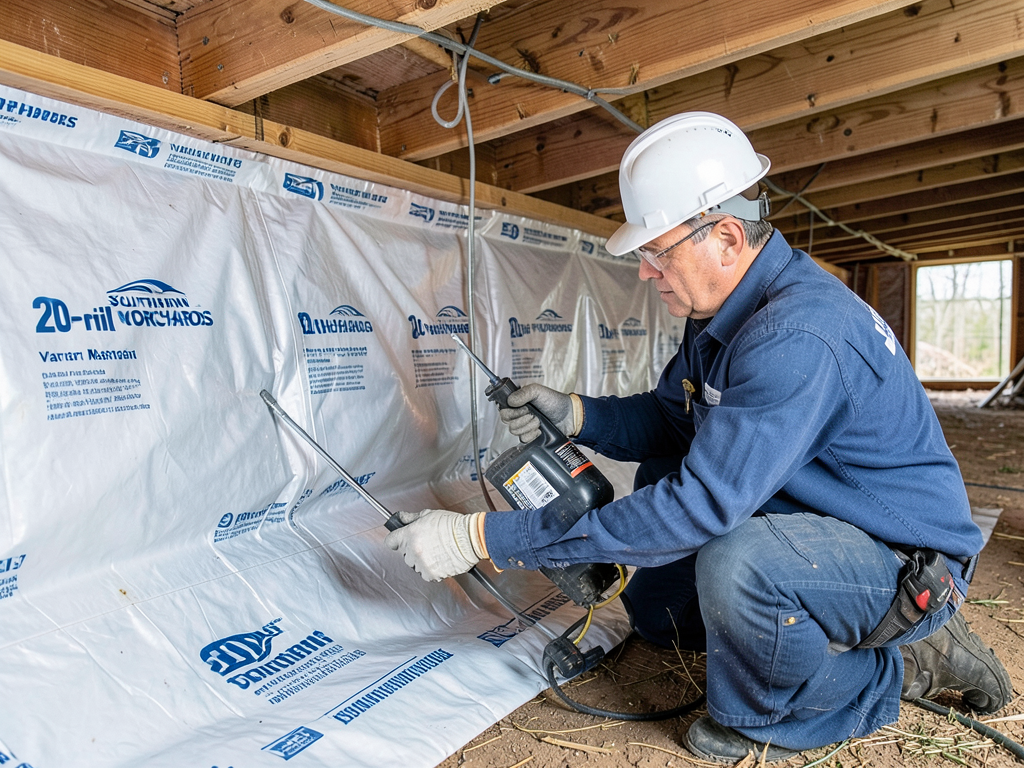
Vapor barrier installation forms the foundation of crawl space protection. A 20-mil reinforced polyethylene barrier covers the ground and extends up foundation walls, creating a moisture barrier. This thickness withstands foot traffic during maintenance and resists tears better than standard 6-mil options. Professional installation includes sealing all seams and edges to prevent moisture migration.
Whole-home dehumidification offers superior results compared to portable units. Systems like the SaniDry Sedona maintain crawl space humidity below 55%, preventing mold growth and reducing the stack effect. These units connect to your existing HVAC system, filtering air through MERV-11 filters that capture mold spores, dust mites, and other allergens before they enter your living spaces.. Read more about Why You Should Consider a Whole House Fan for Those Cool Fall Nights in Kilbourne.
Ductwork sealing prevents contaminated air from entering your HVAC system. Using mastic sealant and metal tape, technicians seal joints and connections where air leaks commonly occur. The Department of Energy estimates that sealing ductwork can improve HVAC efficiency by 20% while preventing crawl space air from mixing with conditioned air.
Why Columbus Weather Makes Crawl Space Care Critical
Columbus’s climate creates unique challenges for crawl space management. Our humid continental climate means hot, humid summers followed by cold, wet springs. This combination causes significant moisture fluctuations that stress your home’s foundation and create ideal conditions for mold growth.
Spring brings particular challenges as melting snow and spring rains saturate the ground. The clay soil in Southern Orchards expands when wet, creating hydrostatic pressure against foundation walls. This pressure forces moisture through even tiny cracks, leading to standing water in crawl spaces. Without proper drainage systems, this water becomes a breeding ground for mold and pests.. Read more about How to Properly Vent a Gas Range Without Ruining the Air Pressure in Your Dennison Place Home.
Winter presents different but equally serious concerns. When outdoor temperatures drop below freezing while your crawl space remains above freezing, condensation forms on cold surfaces. This temperature differential causes moisture to accumulate on ductwork, plumbing, and wooden structures. Over time, this moisture damage can lead to frozen pipes, mold growth, and structural deterioration.
Comparing Crawl Space Solutions
| Solution Type | Initial Cost | Effectiveness | Maintenance Required | Best For |
|---|---|---|---|---|
| Vapor Barrier Only | $$ | Moderate | Annual inspection | Dry crawl spaces |
| Complete Encapsulation | $$$ | High | Bi-annual service | Moisture problems |
| Dehumidifier System | $$ | High | Monthly filter changes | Humidity control |
| Duct Sealing Package | $ | Moderate | 5-year inspection | Air quality improvement |
Step-by-Step Crawl Space Assessment
- Visual Inspection
Enter your crawl space with a bright flashlight. Look for standing water, mold growth, pest droppings, and damaged insulation. Check for musty odors and feel for damp surfaces.
- Moisture Testing
Use a moisture meter on wooden joists and subfloor. Readings above 20% indicate excessive moisture requiring immediate attention. Document problem areas with photos.
- Humidity Measurement
Place a hygrometer in your crawl space for 24 hours. Readings consistently above 55% suggest the need for dehumidification or encapsulation.
- Structural Evaluation
Check floor joists for sagging, wood rot, or termite damage. Look for cracks in foundation walls and signs of foundation settling.
- Professional Assessment
Schedule a comprehensive evaluation with a certified HVAC technician who specializes in crawl space systems. They can identify issues you might miss and recommend targeted solutions.
Frequently Asked Questions
How much does crawl space encapsulation cost in Southern Orchards?
Complete encapsulation typically ranges from $5,000 to $15,000 depending on crawl space size and existing conditions. Homes with standing water or extensive mold damage may require additional remediation, increasing costs. The investment often pays for itself through improved energy efficiency and prevented structural damage.
Can I install a vapor barrier myself?
While DIY installation is possible, professional installation ensures proper sealing and material thickness. A 20-mil barrier requires specialized tools and techniques to seal seams correctly. Improper installation can trap moisture rather than prevent it, potentially worsening your air quality problems.
How long does encapsulation last?
Quality encapsulation with 20-mil material and proper sealing typically lasts 20-25 years. The dehumidifier system components may need replacement every 5-10 years. Regular maintenance inspections help identify issues before they become major problems.
Will encapsulation affect my home’s resale value?
Yes, encapsulation generally increases property value by improving energy efficiency, preventing structural damage, and enhancing indoor air quality. Many buyers view encapsulated crawl spaces as a premium feature, especially in older neighborhoods like Southern Orchards where moisture problems are common.
Take Control of Your Home’s Air Quality Today
Your Southern Orchards home deserves clean, healthy air. The stack effect means that every breath you take indoors is influenced by what’s happening in your crawl space. Don’t let mold, moisture, and contaminants compromise your family’s health and comfort.
Professional assessment is the first step toward solving your crawl space air quality issues. Our certified technicians use specialized equipment to measure moisture levels, identify mold growth, and evaluate your current ventilation system. We then create a customized solution that addresses your specific problems while fitting your budget.
Ready to breathe easier in your Southern Orchards home? Call (380) 253-3188 today to schedule your comprehensive crawl space evaluation. Our team will identify the root causes of your air quality issues and recommend proven solutions that work for Columbus’s unique climate and soil conditions. Don’t wait until minor problems become major repairs – take action now to protect your home and your family’s health.
Pick up the phone and call (380) 253-3188 before the next humidity spike hits. Your family’s health and comfort are worth the investment in professional crawl space solutions.
{
“@context”: “https://schema.org”,
“@type”: “BlogPosting”,
“headline”: “How to Stop Your Southern Orchards Crawl Space from Ruining Your Home Air Quality”,
“description”: “Is your Southern Orchards crawl space causing musty odors and poor air quality? Learn how the stack effect impacts your home and discover expert HVAC solutions.”,
“wordCount”: 1708,
“datePublished”: “2026-04-24T11:38:00.000Z”,
“dateModified”: “2026-04-24T11:38:00.000Z”,
“inLanguage”: “en-US”,
“mainEntityOfPage”: {
“@type”: “WebPage”,
“@id”: “https://grandhvaccolumbus.com”
},
“publisher”: {
“@type”: “LocalBusiness”,
“name”: “Grand HVAC Columbus”,
“url”: “https://grandhvaccolumbus.com”
},
“author”: {
“@type”: “Organization”,
“name”: “Grand HVAC Columbus”,
“url”: “https://grandhvaccolumbus.com”
},
“image”: {
“@type”: “ImageObject”,
“url”: “https://grandhvaccolumbus.com/wp-content/uploads/2026/03/how-to-stop-your-southern-orchards-crawl-space-fro-1.png”
}
}
{
“@context”: “https://schema.org”,
“@type”: “HVACBusiness”,
“name”: “Grand HVAC Columbus”,
“url”: “https://grandhvaccolumbus.com”,
“address”: {
“@type”: “PostalAddress”,
“addressLocality”: “Columbus”
},
“areaServed”: {
“@type”: “City”,
“name”: “Columbus”
}
}
{
“@context”: “https://schema.org”,
“@type”: “FAQPage”,
“mainEntity”: [
{
“@type”: “Question”,
“name”: “How much does crawl space encapsulation cost in Southern Orchards?”,
“acceptedAnswer”: {
“@type”: “Answer”,
“text”: “Complete encapsulation typically ranges from $5,000 to $15,000 depending on crawl space size and existing conditions. Homes with standing water or extensive mold damage may require additional remediation, increasing costs. The investment often pays for itself through improved energy efficiency and prevented structural damage.”
}
},
{
“@type”: “Question”,
“name”: “Can I install a vapor barrier myself?”,
“acceptedAnswer”: {
“@type”: “Answer”,
“text”: “While DIY installation is possible, professional installation ensures proper sealing and material thickness. A 20-mil barrier requires specialized tools and techniques to seal seams correctly. Improper installation can trap moisture rather than prevent it, potentially worsening your air quality problems.”
}
},
{
“@type”: “Question”,
“name”: “How long does encapsulation last?”,
“acceptedAnswer”: {
“@type”: “Answer”,
“text”: “Quality encapsulation with 20-mil material and proper sealing typically lasts 20-25 years. The dehumidifier system components may need replacement every 5-10 years. Regular maintenance inspections help identify issues before they become major problems.”
}
},
{
“@type”: “Question”,
“name”: “Will encapsulation affect my home’s resale value?”,
“acceptedAnswer”: {
“@type”: “Answer”,
“text”: “Yes, encapsulation generally increases property value by improving energy efficiency, preventing structural damage, and enhancing indoor air quality. Many buyers view encapsulated crawl spaces as a premium feature, especially in older neighborhoods like Southern Orchards where moisture problems are common.”
}
}
]
}
{
“@context”: “https://schema.org”,
“@type”: “HowTo”,
“name”: “How to Assess Your Crawl Space”,
“step”: [
{
“@type”: “HowToStep”,
“position”: 1,
“name”: “Visual Inspection”,
“text”: “Enter your crawl space with a bright flashlight. Look for standing water, mold growth, pest droppings, and damaged insulation. Check for musty odors and feel for damp surfaces.”
},
{
“@type”: “HowToStep”,
“position”: 2,
“name”: “Moisture Testing”,
“text”: “Use a moisture meter on wooden joists and subfloor. Readings above 20% indicate excessive moisture requiring immediate attention. Document problem areas with photos.”
},
{
“@type”: “HowToStep”,
“position”: 3,
“name”: “Humidity Measurement”,
“text”: “Place a hygrometer in your crawl space for 24 hours. Readings consistently above 55% suggest the need for dehumidification or encapsulation.”
},
{
“@type”: “HowToStep”,
“position”: 4,
“name”: “Structural Evaluation”,
“text”: “Check floor joists for sagging, wood rot, or termite damage. Look for cracks in foundation walls and signs of foundation settling.”
},
{
“@type”: “HowToStep”,
“position”: 5,
“name”: “Professional Assessment”,
“text”: “Schedule a comprehensive evaluation with a certified HVAC technician who specializes in crawl space systems. They can identify issues you might miss and recommend targeted solutions.”
}
],
“image”: “https://grandhvaccolumbus.com/wp-content/uploads/2026/03/how-to-stop-your-southern-orchards-crawl-space-fro-1.png”
}
{
“@context”: “https://schema.org”,
“@type”: “BreadcrumbList”,
“itemListElement”: [
{
“@type”: “ListItem”,
“position”: 1,
“name”: “Home”,
“item”: “https://grandhvaccolumbus.com”
},
{
“@type”: “ListItem”,
“position”: 2,
“name”: “Blog”,
“item”: “https://grandhvaccolumbus.com/blog”
},
{
“@type”: “ListItem”,
“position”: 3,
“name”: “How to Stop Your Southern Orchards Crawl Space from Ruining Your Home Air Quality”
}
]
}
{
“@context”: “https://schema.org”,
“@type”: “Service”,
“serviceType”: “HVAC”,
“provider”: {
“@type”: “LocalBusiness”,
“name”: “Grand HVAC Columbus”,
“url”: “https://grandhvaccolumbus.com”
},
“areaServed”: {
“@type”: “City”,
“name”: “Columbus”
},
“description”: “Is your Southern Orchards crawl space causing musty odors and poor air quality? Learn how the stack effect impacts your home and discover expert HVAC solutions.”
}