
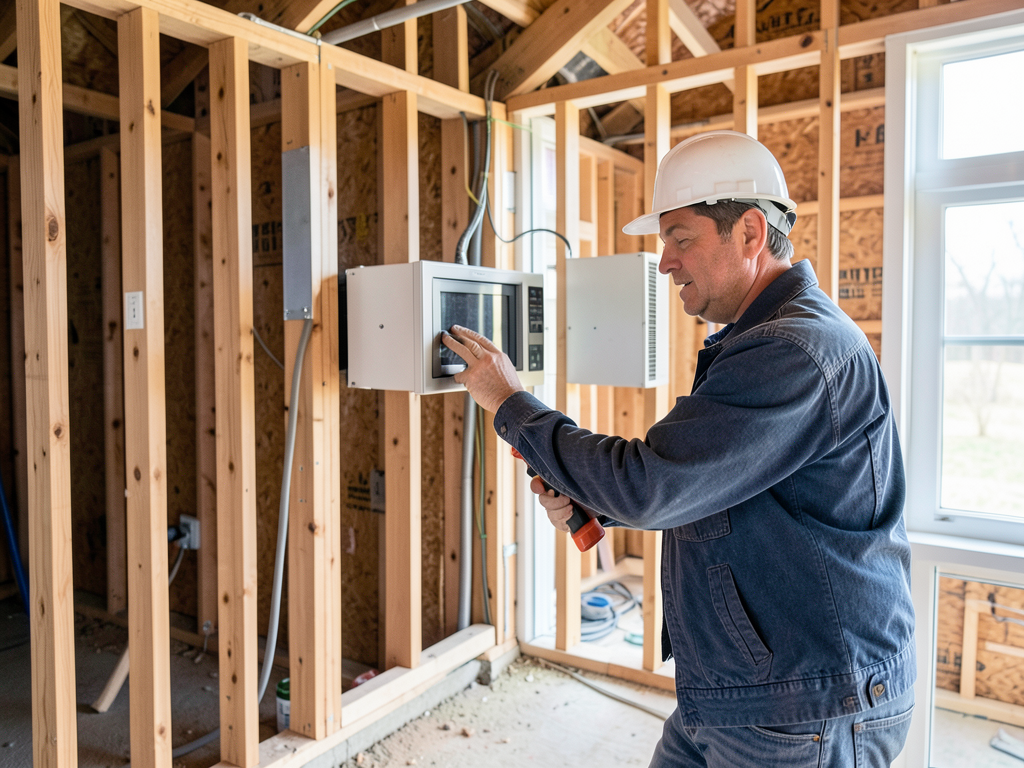
How to Choose the Best Heating System for Your New Home Addition in Lewis Center
Adding square footage to your Lewis Center home means more than just framing walls and pouring concrete. Your existing HVAC system was sized for your current living space not the extra load. Before you hang drywall or lay flooring you need to answer one critical question: Can your current system handle the new space or do you need a dedicated solution?
Ohio’s climate demands both powerful heating for sub-zero winters and efficient cooling for humid summers. A 400-square-foot addition in Lewis Center can add 30-40% more heating load depending on insulation quality and window placement. Making the wrong choice now means cold drafts in January and sweltering heat in July. Improving the Air Quality in Your Older Clintonville Home.
Assessing Your Current HVAC System’s Capacity
Most Lewis Center homes built between 1990 and 2010 use 80% efficient furnaces with basic single-stage compressors. These systems operate near their maximum capacity during extreme weather. Adding new space without proper assessment creates several problems.. Read more about How High Velocity HVAC Systems Work for Tight Spaces in the Discovery District.
Manual J load calculations determine the exact BTU requirements for your addition. A professional calculation considers square footage ceiling height insulation R-values window U-factors and local climate data. For Lewis Center’s 4A climate zone each new square foot typically requires 30-35 BTU of heating capacity.
Common signs your system lacks capacity include:
- Rooms that never reach set temperature during extreme weather
- System running continuously during cold snaps
- Uneven temperatures between existing rooms
- High energy bills despite moderate thermostat settings
Delaware County building codes require HVAC permits for any system modification over 10% of existing capacity. This includes adding new ductwork runs or installing separate equipment. Delaware County Building Codes.
Top 3 HVAC Options for Lewis Center Additions
Choosing between extending your current system and installing dedicated equipment depends on several factors. Your home’s age existing ductwork layout and the addition’s purpose all influence the best solution.. Read more about The Real Differences Between Single Stage and Variable Speed Units for Gahanna Homeowners.
Option 1: Ductless Mini-Split Systems
Ductless mini-splits offer the most flexible solution for additions. These systems include an outdoor condenser and one or more indoor air handlers connected by refrigerant lines. No ductwork required. Ductless Mini-Split Systems.
Benefits for Lewis Center homes:
- Zone control – heat or cool only the addition
- High efficiency – SEER2 ratings up to 22
- Easy installation – minimal wall penetration
- Year-round comfort – heat pump models provide both heating and cooling
Option 2: Extended Ductwork
Extending your existing ductwork works best for additions close to your main HVAC unit. This option requires careful planning to maintain proper airflow and pressure balance.
Key considerations for Lewis Center homes:
- Existing ductwork material – most homes use flexible or sheet metal ducts
- Distance from main unit – longer runs reduce efficiency
- Available space in walls or ceiling for new ducts
- Impact on existing room temperatures
Franklin County requires permits for any new duct installation. Section 505 of the residential code mandates proper sealing and insulation of all new duct runs.
Option 3: Hybrid Systems
Hybrid systems combine your existing furnace with a heat pump for the addition. This approach works well for homes with adequate furnace capacity but limited ductwork space.
Advantages of hybrid systems:
- Maintains consistent heating throughout your home
- Reduces strain on existing equipment
- Provides backup heating if one system fails
- Better energy efficiency than single-stage systems
Cost Comparison for Lewis Center Additions
| System Type | Initial Cost | Installation Time | Operating Cost |
|---|---|---|---|
| Ductless Mini-Split | $3500-$6000 | 1-2 days | Low |
| Extended Ductwork | $2500-$4500 | 2-4 days | Medium |
| Hybrid System | $4000-$7000 | 2-3 days | Medium-Low |
Local Considerations for Lewis Center
Lewis Center sits in Delaware County where soil composition affects foundation work. The area features clay-rich soil that expands and contracts with moisture changes. This soil movement can stress foundation walls and affect HVAC equipment stability. Where to Find 24 Hour Emergency HVAC Help Anywhere in Columbus.
Local building codes require HVAC equipment to be installed on stable platforms. Section 1305 of the Delaware County mechanical code specifies minimum clearance requirements from soil and vegetation.
The 43035 zip code experiences average winter temperatures of 28°F with record lows reaching -15°F. Summer highs average 85°F with humidity levels often exceeding 70%. These conditions demand reliable heating and cooling systems.
Installation Process and Timeline
Professional installation follows a specific sequence to ensure proper system performance. Each step requires careful attention to detail and local code compliance.
Step 1: Site Assessment
Technicians evaluate your addition’s location existing HVAC capacity and structural elements. They check for adequate space for equipment and proper electrical service.. Read more about Comparing Gas Furnaces and Electric Heat Pumps for Canal Winchester Winters.
Step 2: System Design
Engineers create detailed plans showing equipment placement ductwork routing and electrical connections. These plans must meet local building codes and manufacturer specifications.
Step 3: Installation
Technicians mount indoor and outdoor units connect refrigerant lines and run electrical wiring. They test for proper operation and check for refrigerant leaks using electronic detectors.
Step 4: Final Testing
Technicians verify system performance measure airflow and check temperature differentials. They ensure all safety controls function properly and provide homeowner training.
Maintenance Requirements
Different heating systems require specific maintenance schedules to maintain efficiency and prevent breakdowns. Regular maintenance extends equipment life and prevents costly repairs.
Ductless mini-splits need filter cleaning every 3 months and annual professional service. Extended ductwork systems require annual duct cleaning and filter replacement every 3 months. Hybrid systems need biannual service to maintain both heating components.
Energy Efficiency Considerations
Modern heating systems offer various efficiency ratings that affect long-term operating costs. Higher efficiency systems cost more upfront but provide significant energy savings over time. Energy Efficiency Guidelines.
SEER2 ratings measure cooling efficiency while HSPF ratings measure heating efficiency for heat pumps. Systems with SEER2 ratings above 16 and HSPF ratings above 8.2 qualify for energy rebates in Ohio.
Delaware County offers rebates through the EnergySmart program for qualifying high-efficiency HVAC installations. These rebates can offset 10-15% of installation costs. Upgrading to a Smart Thermostat in Grandview Heights to Lower Your Electric Bill.
Common Problems and Solutions
Understanding potential issues helps you make informed decisions and maintain your system properly. Each system type has specific vulnerabilities that require attention.
Ductless systems may experience refrigerant leaks if lines are damaged during construction. Extended ductwork can develop leaks at joints reducing efficiency. Hybrid systems require proper control settings to switch between heating sources automatically.
Making Your Final Decision
Several factors influence the best heating system for your Lewis Center addition. Consider your budget home layout and long-term energy costs when making your choice.
Budget-conscious homeowners often choose extended ductwork for lower upfront costs. Those prioritizing comfort and efficiency select ductless mini-splits. Homeowners with adequate existing capacity choose hybrid systems for balanced performance.
Call (380) 253-3188 today for a free assessment of your heating needs. Our experts will evaluate your home and recommend the best solution for your Lewis Center addition. Why Your Westerville AC Needs a Tune Up Before the Humidity Hits.
Frequently Asked Questions
Most homeowners have questions about heating system selection and installation. Here are answers to common concerns.
How long does installation take? Most systems install in 1-4 days depending on complexity. Can I install it myself? Professional installation ensures proper operation and maintains warranties. What permits are required? Delaware County requires permits for all new HVAC installations.
You may also find this helpful. Stopping Dry Air and Static in Pickerington with a Whole Home Humidifier.
You may also find this helpful. Saving Money on Your Monthly Bills with AEP Ohio and Columbia Gas Rebates.
You may also find this helpful. How to Fix Hot and Cold Spots in Your Two Story Merion Village Home.
You may also find this helpful. What to Do When Your Heat Pump Starts Growing Ice in Plain City.
Ready to make your addition comfortable year-round? Call (380) 253-3188 now to schedule your free consultation. Our team serves all of Lewis Center and surrounding areas with expert heating solutions.
{
“@context”: “https://schema.org”,
“@type”: “BlogPosting”,
“headline”: “How to Choose the Best Heating System for Your New Home Addition in Lewis Center”,
“description”: “Learn how to select the right heating system for your Lewis Center home addition. Compare ductless mini-splits, extended ductwork, and hybrid systems for Ohio’s climate.”,
“wordCount”: 1238,
“datePublished”: “2026-03-05T11:24:00.000Z”,
“dateModified”: “2026-03-05T11:24:00.000Z”,
“inLanguage”: “en-US”,
“mainEntityOfPage”: {
“@type”: “WebPage”,
“@id”: “https://grandhvaccolumbus.com”
},
“publisher”: {
“@type”: “LocalBusiness”,
“name”: “Grand HVAC Columbus”,
“url”: “https://grandhvaccolumbus.com”
},
“author”: {
“@type”: “Organization”,
“name”: “Grand HVAC Columbus”,
“url”: “https://grandhvaccolumbus.com”
},
“image”: {
“@type”: “ImageObject”,
“url”: “https://grandhvaccolumbus.com/wp-content/uploads/2026/03/how-to-choose-the-best-heating-system-for-your-new-1.png”
}
}
{
“@context”: “https://schema.org”,
“@type”: “HVACBusiness”,
“name”: “Grand HVAC Columbus”,
“url”: “https://grandhvaccolumbus.com”,
“address”: {
“@type”: “PostalAddress”,
“addressLocality”: “Columbus”
},
“areaServed”: {
“@type”: “City”,
“name”: “Columbus”
}
}
{
“@context”: “https://schema.org”,
“@type”: “BreadcrumbList”,
“itemListElement”: [
{
“@type”: “ListItem”,
“position”: 1,
“name”: “Home”,
“item”: “https://grandhvaccolumbus.com”
},
{
“@type”: “ListItem”,
“position”: 2,
“name”: “Blog”,
“item”: “https://grandhvaccolumbus.com/blog”
},
{
“@type”: “ListItem”,
“position”: 3,
“name”: “How to Choose the Best Heating System for Your New Home Addition in Lewis Center”
}
]
}
{
“@context”: “https://schema.org”,
“@type”: “Service”,
“serviceType”: “HVAC”,
“provider”: {
“@type”: “LocalBusiness”,
“name”: “Grand HVAC Columbus”,
“url”: “https://grandhvaccolumbus.com”
},
“areaServed”: {
“@type”: “City”,
“name”: “Columbus”
},
“description”: “Learn how to select the right heating system for your Lewis Center home addition. Compare ductless mini-splits, extended ductwork, and hybrid systems for Ohio’s climate.”
}