
Winter in Whitehall arrives suddenly. One morning the leaves are still on the trees and by nightfall the temperature drops below freezing. Your heating system has been sitting idle for months and now it needs to perform flawlessly when you need it most. This guide walks you through exactly what Whitehall homeowners should do to prepare their HVAC systems for Ohio’s harsh winter conditions. EPA radon information.
Columbus typically sees its first freeze in late October or early November. For Whitehall residents living in homes built between 1950 and 1980, this seasonal transition can stress older heating systems. The combination of cold snaps and high humidity creates conditions where minor issues become major problems if left unaddressed. Where to Find 24 Hour Emergency HVAC Help Anywhere in Columbus.
Why Whitehall Homes Face Unique Winter HVAC Challenges
Whitehall’s housing stock includes many mid-century ranches and split-level homes with original ductwork and aging furnaces. These systems were built for a different era of energy efficiency and often struggle with modern heating demands. The clay soil common in Franklin County also affects foundation stability which can impact duct connections and cause air leaks.. Read more about How to Tell if Your Obetz Furnace is Just Old or Actually Dangerous.
Many Whitehall homes have heat pumps that switch to emergency heat when temperatures drop below 35 degrees. This transition point is critical because if the defrost cycle isn’t working properly, the system can ice up and fail completely. Local HVAC technicians report that November service calls spike after the first hard freeze when neglected systems finally give out.
Essential Pre-Winter HVAC Maintenance Checklist
Before the first freeze hits Whitehall, take these steps to ensure your heating system operates safely and efficiently:
- Replace Air Filters
Install new filters rated MERV 8 to MERV 11 for winter use. Dirty filters restrict airflow and force your system to work harder, increasing energy costs by up to 15 percent.. Read more about Why Your Energy Bills in Briggsdale Spike Every Time the Temperature Drops Below Freezing.
- Test Carbon Monoxide Detectors
Replace batteries and test all CO detectors near bedrooms and on each level of your home. Cracked heat exchangers can leak carbon monoxide silently.
- Check Thermostat Operation
Switch from cooling to heating mode and verify the system responds correctly. If your thermostat is older than 10 years consider upgrading to a programmable model. Upgrading to a Smart Thermostat in Grandview Heights to Lower Your Electric Bill.
- Inspect Vents and Registers
Remove furniture and drapes blocking airflow. Vacuum dust and debris from vent covers to improve circulation.
- Schedule Professional Tune-Up
A NATE-certified technician should inspect your system before heavy use begins. This catches problems early and maintains warranty coverage.
Furnace and Heating System Optimization
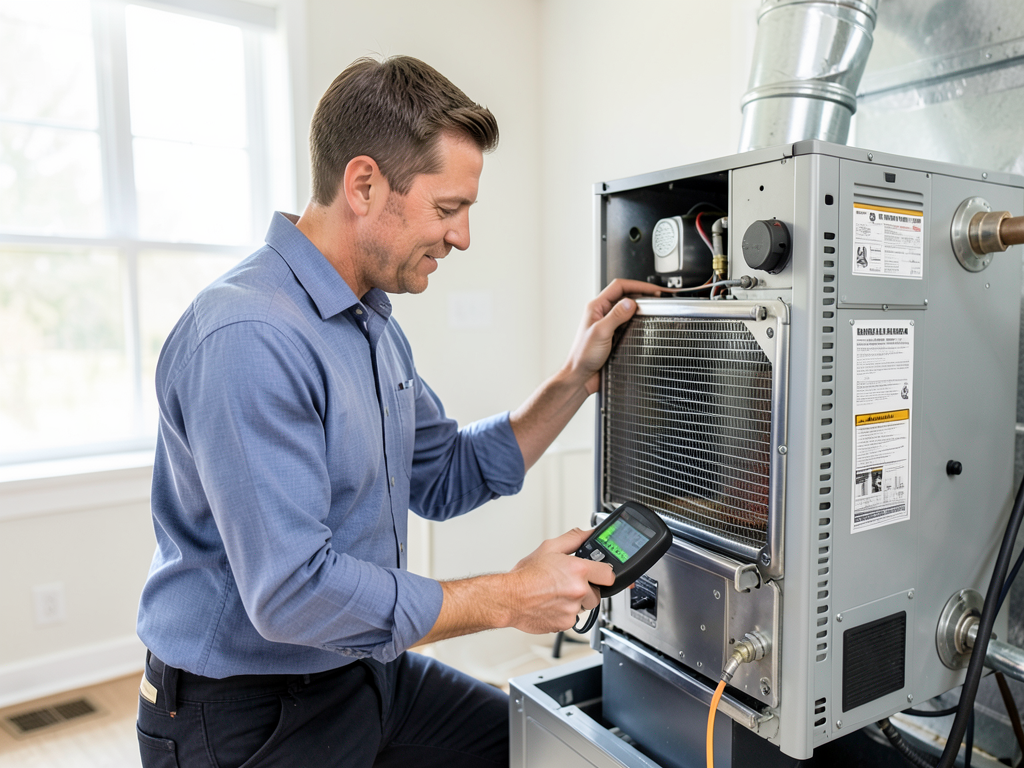
Your furnace needs specific attention before winter arrives. For gas furnaces common in Whitehall homes, the heat exchanger should be inspected for cracks using a combustion analyzer. This diagnostic tool measures carbon monoxide levels in the exhaust to detect incomplete combustion. Why Your Westerville AC Needs a Tune Up Before the Humidity Hits.
Burner ports often become clogged with dust and debris over summer months. A technician will clean these ports and adjust the gas pressure to factory specifications. This ensures complete fuel combustion and prevents the dangerous buildup of carbon monoxide.. Read more about Why Your New Build in Shawnee Hills Might Need a Humidifier Even If It Is Brand New.
The blower motor requires lubrication if it has oil ports. Many newer motors are sealed but older models need annual oiling to prevent bearing wear. The technician will also check the capacitor which provides the initial power surge to start the motor.
Heat Pump Winter Preparation
Heat pumps need different preparation than furnaces. The defrost control board must be tested to ensure it activates when frost builds up on the outdoor coil. Without proper defrost cycles, ice accumulation can damage the compressor and reduce efficiency by 30 percent or more.. Read more about The Difference Between a Furnace Tune Up and a Full Safety Inspection in Commercial Point.
Refrigerant levels should be checked even in winter. Low refrigerant causes the system to run longer cycles and can freeze the indoor coil. A technician uses pressure gauges to verify the charge matches manufacturer specifications.
The reversing valve switches the system between heating and cooling modes. This component can stick if not exercised regularly. Running the system in both modes during the tune-up ensures smooth operation all winter.. Read more about Why Your Heat Pump is Blowing Cold Air During a Cold Snap in Orient.
Outdoor Unit Protection and Maintenance
Central Ohio winters bring snow, ice, and debris that can damage outdoor HVAC equipment. For air conditioning condensers that sit idle all winter, the debate over covering them creates confusion among homeowners.. Read more about Everything Groveport Homeowners Need to Know About That Burning Smell from the Vents.
Most manufacturers recommend against covering outdoor units completely. A breathable cover protects from falling debris while allowing moisture to escape. Solid covers trap moisture and create environments for rust and rodent nesting.
Instead of full covers, consider these protective measures:
- Clear leaves and debris from around the unit
- Trim back vegetation at least 18 inches from all sides
- Install a small roof or awning to deflect falling ice
- Check the concrete pad for level and stability
Common Winter HVAC Issues in Whitehall’s Historic Homes
Whitehall’s older homes present specific challenges during winter. Many have original ductwork with loose connections that leak heated air into crawl spaces and attics. A professional duct inspection with a smoke pencil can identify these leaks which waste 20 to 30 percent of your heated air.
Single-pane windows common in homes built before 1980 allow significant heat loss. While full replacement is expensive, temporary solutions like window film kits can reduce drafts and improve comfort.
Attic insulation often settles over decades, reducing its effectiveness. Current building codes require R-49 insulation in attics but many Whitehall homes have less than half that amount. Adding insulation is one of the most cost-effective winter preparations.
Radon levels typically rise in winter when homes are sealed tightly. If you haven’t tested for radon, consider adding this to your winter prep list. Franklin County has areas with higher than average radon levels due to local geology.
Energy Efficiency and Cost Savings Strategies
AEP Ohio offers rebates for high-efficiency HVAC equipment and smart thermostats. Installing a programmable thermostat can save 10 to 15 percent on heating costs by automatically lowering temperatures when you’re asleep or away.
Setting your thermostat to 68 degrees while home and awake provides comfort while controlling costs. Each degree lower can save about 3 percent on your heating bill. Programmable thermostats handle these adjustments automatically.
Zone heating strategies work well in Whitehall’s typical ranch homes. Close vents in unused rooms and use space heaters sparingly in areas needing extra warmth. This reduces the total heating load on your main system.
Columbia Gas of Ohio provides energy audits that identify specific improvements for your home. Many older Whitehall homes qualify for discounted audits and insulation upgrades through state weatherization programs.
Emergency Preparedness for Winter HVAC Failures
Even well-maintained systems can fail during extreme cold snaps. Have a backup plan that includes:
- Space heaters with automatic shutoff features
- Extra blankets and cold weather clothing
- Emergency contact numbers for HVAC service
- Knowledge of your main gas shutoff valve location
Keep cabinet doors open under sinks during extreme cold to allow warm air circulation around pipes. Let faucets drip slightly to prevent freezing in older plumbing systems common in Whitehall homes.
Know the signs of carbon monoxide poisoning: headache, dizziness, weakness, upset stomach, vomiting, chest pain, and confusion. If multiple people experience these symptoms simultaneously, evacuate immediately and call 911.
Professional vs DIY Maintenance: What Whitehall Homeowners Should Know
Some winter prep tasks homeowners can handle safely:
- Changing air filters
- Testing smoke and CO detectors
- Cleaning around outdoor units
- Adjusting thermostat settings
However, certain tasks require professional expertise:
- Checking heat exchanger integrity
- Testing electrical components and capacitors
- Measuring refrigerant levels
- Inspecting gas lines and connections
- Verifying proper combustion
Ohio building codes require permits for many HVAC modifications. Working with a licensed contractor ensures compliance with Ohio Mechanical Code requirements and maintains equipment warranties.
Timeline for Winter HVAC Preparation
Start your winter prep process in early October to avoid the rush when temperatures first drop:
- Early October: Replace filters, test detectors, clear outdoor units
- Mid October: Schedule professional tune-up
- Late October: Complete any recommended repairs
- Early November: Test heating system during mild weather
Most HVAC companies in the Columbus area offer fall specials for tune-ups. These typically cost between $89 and $129 and include the essential safety and efficiency checks your system needs.
Local Resources for Whitehall Homeowners
Whitehall residents can access several local resources for winter HVAC preparation:
- Franklin County Emergency Management provides heating assistance for qualified residents
- AEP Ohio’s Winter Readiness program offers energy efficiency tips and rebates
- The City of Whitehall maintains a list of licensed HVAC contractors
- Local hardware stores stock winterization supplies specific to Ohio conditions
Many Whitehall neighborhoods have active community groups where residents share contractor recommendations and winter preparation tips. These local networks provide valuable real-world advice from neighbors facing similar challenges.
Frequently Asked Questions
How often should I replace my furnace filter in winter?
Replace standard 1-inch filters every 30 days during heavy heating season. Higher quality filters may last 60 to 90 days but check them monthly during extreme cold when your system runs constantly. Improving the Air Quality in Your Older Clintonville Home.
Should I cover my AC unit during Whitehall winters?
No. Complete covers trap moisture and create nesting areas for rodents. Use a breathable top cover only or leave the unit uncovered. Clear debris regularly instead.
What temperature should I set my thermostat at night?
Set your thermostat to 60 to 65 degrees while sleeping. Programmable thermostats can automatically adjust temperatures to save energy without sacrificing comfort.
How can I tell if my furnace is leaking carbon monoxide?
Install CO detectors as your primary warning system. Warning signs include yellow burner flames instead of blue, soot around the unit, and excess moisture on windows. Annual professional inspection is essential.
Is it normal for my heat pump to run all winter?
Yes. Heat pumps run longer cycles than furnaces because they move heat rather than generate it. However, if your system runs constantly and never shuts off, it may need servicing.
How much can I save with a programmable thermostat?
Programmable thermostats typically save 10 to 15 percent on heating costs by automatically adjusting temperatures when you’re asleep or away from home.
Take Action Before the First Freeze Hits Whitehall
Don’t wait until the first cold snap to discover problems with your heating system. Most HVAC emergencies are preventable with proper maintenance. A $100 tune-up now can prevent a $500 emergency repair call when temperatures plummet.
Local technicians report that 80 percent of no-heat calls in November could have been prevented with fall maintenance. The inconvenience and discomfort of waiting days for emergency service during a cold snap isn’t worth the risk.
Whitehall’s older homes deserve special attention before winter arrives. The combination of aging equipment, original ductwork, and Ohio’s harsh winters creates a perfect storm for heating failures. Take action now while temperatures are still mild.
Call (380) 253-3188 today to schedule your professional HVAC inspection. Our NATE-certified technicians understand the specific challenges Whitehall homes face and can ensure your system is ready for whatever winter brings. Don’t let the first freeze catch you unprepared.
Pick up the phone and call (380) 253-3188 before the next cold front arrives. Your comfort and safety depend on a heating system that works when you need it most. We’re ready to help Whitehall homeowners prepare for winter with expert service and honest advice. For more information, visit Department of Energy heating systems guide.
You may also find this helpful. What to Do When Your Heat Pump Starts Growing Ice in Plain City.
{
“@context”: “https://schema.org”,
“@type”: “BlogPosting”,
“headline”: “Preparing Your Whitehall Home for the First Freeze of the Season”,
“description”: “Learn how to protect your Whitehall home’s HVAC system before the first freeze hits. Expert tips on furnace maintenance, heat pump prep, and energy efficiency for Columbus winters.”,
“wordCount”: 1884,
“datePublished”: “2026-03-28T14:02:00.000Z”,
“dateModified”: “2026-03-28T14:02:00.000Z”,
“inLanguage”: “en-US”,
“mainEntityOfPage”: {
“@type”: “WebPage”,
“@id”: “https://grandhvaccolumbus.com”
},
“publisher”: {
“@type”: “LocalBusiness”,
“name”: “Grand HVAC Columbus”,
“url”: “https://grandhvaccolumbus.com”
},
“author”: {
“@type”: “Organization”,
“name”: “Grand HVAC Columbus”,
“url”: “https://grandhvaccolumbus.com”
},
“image”: {
“@type”: “ImageObject”,
“url”: “https://grandhvaccolumbus.com/wp-content/uploads/2026/03/preparing-your-whitehall-home-for-the-first-freeze-1.png”
}
}
{
“@context”: “https://schema.org”,
“@type”: “HVACBusiness”,
“name”: “Grand HVAC Columbus”,
“url”: “https://grandhvaccolumbus.com”,
“address”: {
“@type”: “PostalAddress”,
“addressLocality”: “Columbus”
},
“areaServed”: {
“@type”: “City”,
“name”: “Columbus”
}
}
{
“@context”: “https://schema.org”,
“@type”: “FAQPage”,
“mainEntity”: [
{
“@type”: “Question”,
“name”: “How often should I replace my furnace filter in winter?”,
“acceptedAnswer”: {
“@type”: “Answer”,
“text”: “Replace standard 1-inch filters every 30 days during heavy heating season. Higher quality filters may last 60 to 90 days but check them monthly during extreme cold when your system runs constantly. Improving the Air Quality in Your Older Clintonville Home.”
}
},
{
“@type”: “Question”,
“name”: “Should I cover my AC unit during Whitehall winters?”,
“acceptedAnswer”: {
“@type”: “Answer”,
“text”: “No. Complete covers trap moisture and create nesting areas for rodents. Use a breathable top cover only or leave the unit uncovered. Clear debris regularly instead.”
}
},
{
“@type”: “Question”,
“name”: “What temperature should I set my thermostat at night?”,
“acceptedAnswer”: {
“@type”: “Answer”,
“text”: “Set your thermostat to 60 to 65 degrees while sleeping. Programmable thermostats can automatically adjust temperatures to save energy without sacrificing comfort.”
}
},
{
“@type”: “Question”,
“name”: “How can I tell if my furnace is leaking carbon monoxide?”,
“acceptedAnswer”: {
“@type”: “Answer”,
“text”: “Install CO detectors as your primary warning system. Warning signs include yellow burner flames instead of blue, soot around the unit, and excess moisture on windows. Annual professional inspection is essential.”
}
},
{
“@type”: “Question”,
“name”: “Is it normal for my heat pump to run all winter?”,
“acceptedAnswer”: {
“@type”: “Answer”,
“text”: “Yes. Heat pumps run longer cycles than furnaces because they move heat rather than generate it. However, if your system runs constantly and never shuts off, it may need servicing.”
}
},
{
“@type”: “Question”,
“name”: “How much can I save with a programmable thermostat?”,
“acceptedAnswer”: {
“@type”: “Answer”,
“text”: “Programmable thermostats typically save 10 to 15 percent on heating costs by automatically adjusting temperatures when you’re asleep or away from home.”
}
}
]
}
{
“@context”: “https://schema.org”,
“@type”: “HowTo”,
“name”: “Pre-Winter HVAC Maintenance”,
“step”: [
{
“@type”: “HowToStep”,
“position”: 1,
“name”: “Replace Air Filters”,
“text”: “Install new filters rated MERV 8 to MERV 11 for winter use. Dirty filters restrict airflow and force your system to work harder, increasing energy costs by up to 15 percent.”
},
{
“@type”: “HowToStep”,
“position”: 2,
“name”: “Test Carbon Monoxide Detectors”,
“text”: “Replace batteries and test all CO detectors near bedrooms and on each level of your home. Cracked heat exchangers can leak carbon monoxide silently.”
},
{
“@type”: “HowToStep”,
“position”: 3,
“name”: “Check Thermostat Operation”,
“text”: “Switch from cooling to heating mode and verify the system responds correctly. If your thermostat is older than 10 years consider upgrading to a programmable model. Upgrading to a Smart Thermostat in Grandview Heights to Lower Your Electric Bill.”
},
{
“@type”: “HowToStep”,
“position”: 4,
“name”: “Inspect Vents and Registers”,
“text”: “Remove furniture and drapes blocking airflow. Vacuum dust and debris from vent covers to improve circulation.”
},
{
“@type”: “HowToStep”,
“position”: 5,
“name”: “Schedule Professional Tune-Up”,
“text”: “A NATE-certified technician should inspect your system before heavy use begins. This catches problems early and maintains warranty coverage.”
}
],
“image”: “https://grandhvaccolumbus.com/wp-content/uploads/2026/03/preparing-your-whitehall-home-for-the-first-freeze-1.png”
}
{
“@context”: “https://schema.org”,
“@type”: “BreadcrumbList”,
“itemListElement”: [
{
“@type”: “ListItem”,
“position”: 1,
“name”: “Home”,
“item”: “https://grandhvaccolumbus.com”
},
{
“@type”: “ListItem”,
“position”: 2,
“name”: “Blog”,
“item”: “https://grandhvaccolumbus.com/blog”
},
{
“@type”: “ListItem”,
“position”: 3,
“name”: “Preparing Your Whitehall Home for the First Freeze of the Season”
}
]
}
{
“@context”: “https://schema.org”,
“@type”: “Service”,
“serviceType”: “HVAC”,
“provider”: {
“@type”: “LocalBusiness”,
“name”: “Grand HVAC Columbus”,
“url”: “https://grandhvaccolumbus.com”
},
“areaServed”: {
“@type”: “City”,
“name”: “Columbus”
},
“description”: “Learn how to protect your Whitehall home’s HVAC system before the first freeze hits. Expert tips on furnace maintenance, heat pump prep, and energy efficiency for Columbus winters.”
}