
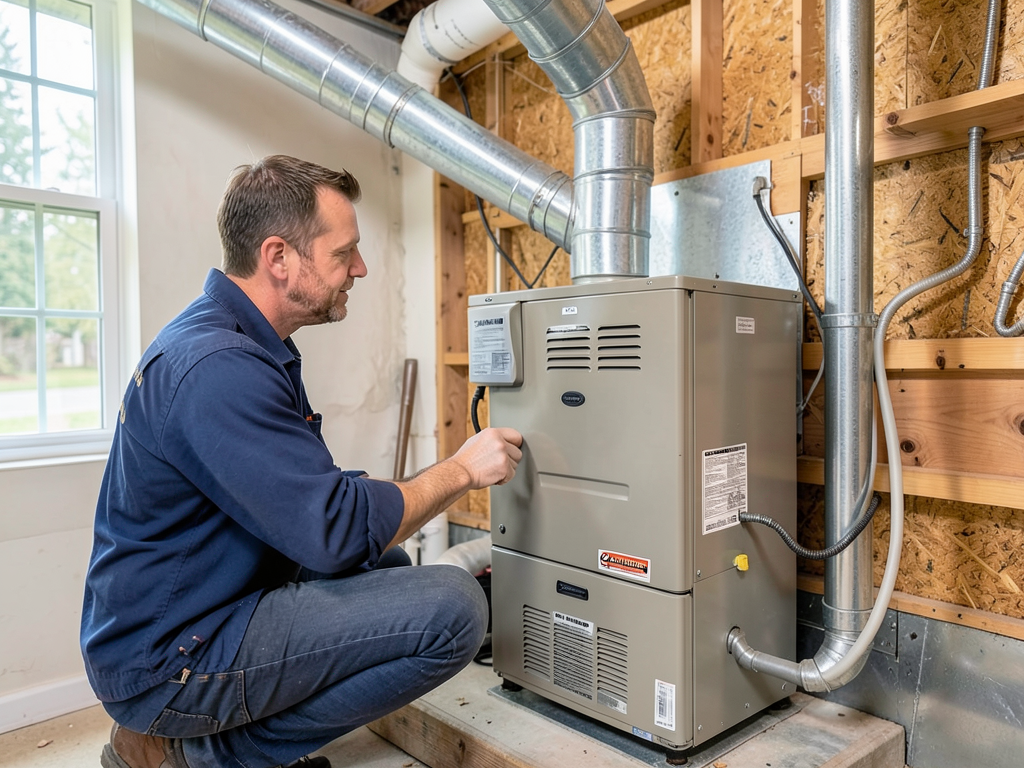
Comparing Gas Furnaces and Electric Heat Pumps for Canal Winchester Winters
Choosing between a gas furnace and an electric heat pump in Canal Winchester comes down to your home’s needs and local utility costs. Gas furnaces deliver powerful heat during Ohio’s coldest snaps but require natural gas lines. Electric heat pumps offer high efficiency and cooling but may need backup heat on sub-zero nights. This guide breaks down the real-world performance, costs, and maintenance for each system so you can make the right choice before winter hits. The Honest Guide to Replacing Your Upper Arlington Furnace This Winter.
The Canal Winchester Climate Factor Why Your Choice Matters
Canal Winchester sits in USDA Plant Hardiness Zone 6a where winter lows can dip to -10°F. The area experiences rapid temperature swings from 60°F to 20°F within 24 hours during late fall and early spring. These fluctuations stress heating systems differently. Gas furnaces provide consistent BTU output regardless of outdoor temperature. Heat pumps lose efficiency below 25°F and often need electric resistance backup to maintain comfort. Understanding this local climate pattern is essential when comparing long-term operating costs. Where to Find 24 Hour Emergency HVAC Help Anywhere in Columbus.
According to the National Weather Service Columbus station Canal Winchester averages 22 inches of snow annually with January being the coldest month. The region also faces high humidity in summer which affects cooling performance for heat pumps. Homes near the Big Walnut Creek corridor may experience slightly higher moisture levels impacting indoor air quality and system sizing requirements. Improving the Air Quality in Your Older Clintonville Home.
Gas Furnaces The Traditional Powerhouse for Central Ohio Winters
Gas furnaces burn natural gas in a heat exchanger to warm air that circulates through ductwork. Modern units achieve Annual Fuel Utilization Efficiency (AFUE) ratings up to 98 meaning only 2 of energy is lost up the flue. In Canal Winchester most homes connect to Columbia Gas of Ohio’s distribution network which serves over 1.4 million customers across the state. Energy Department heat pump guide.
A properly sized 80000 BTU gas furnace can maintain indoor temperatures even when outdoor temps plummet to -20°F. The system’s blower motor distributes heat evenly though ductwork often requires inspection for leaks especially in homes built before 1980. Gas furnaces produce carbon monoxide as a byproduct requiring proper venting and annual safety checks per Ohio Mechanical Code OMC Section 4901.
Installation costs typically range from $4000 to $7000 depending on home size and complexity. Operating costs depend on Columbia Gas rates which averaged $1.05 per therm in early 2026. A 95 AFUE furnace burns approximately 750 therms annually for an average Canal Winchester home resulting in winter heating bills around $787. Columbia Gas of Ohio.
Electric Heating and Heat Pumps The Modern Efficient Alternative
Electric heat pumps move heat rather than generate it using refrigerant cycles. In heating mode they extract warmth from outdoor air even in cold conditions. Modern cold-climate heat pumps maintain efficiency down to 5°F with some models operating at -15°F. The system consists of an outdoor condenser and indoor air handler connected by refrigerant lines.
Heat pumps earn Seasonal Energy Efficiency Ratio 2 (SEER2) ratings for cooling and Heating Seasonal Performance Factor 2 (HSPF2) ratings for heating. A unit with HSPF2 of 10 produces 10 BTUs of heat per watt consumed. This translates to operating costs often 30-50% lower than electric resistance heating.
In Canal Winchester most homes receive electricity from AEP Ohio. The residential rate averaged 13.5 cents per kilowatt-hour in 2026. A 3-ton heat pump running 2000 hours annually at HSPF2 10 consumes about 6600 kWh costing approximately $891 in electricity. However heat pumps also provide air conditioning reducing the need for separate AC units.
Cost Comparison Initial Investment vs Monthly Utility Bills
Upfront costs differ significantly between systems. Gas furnaces require gas line connections and proper venting infrastructure. Heat pumps need only electrical service though cold-climate models cost more than standard efficiency units.. Read more about The Real Differences Between Single Stage and Variable Speed Units for Gahanna Homeowners.
| System Type | Average Installed Cost | Annual Operating Cost | Typical Lifespan |
|---|---|---|---|
| 80 AFUE Gas Furnace | $4200 | $890 | 15-20 years |
| 95 AFUE Gas Furnace | $5800 | $787 | 15-20 years |
| 14 SEER Heat Pump | $6500 | $1020 | 12-15 years |
| 18 SEER2 Heat Pump | $8200 | $891 | 12-15 years |
Heat pumps offer year-round operation replacing both furnace and air conditioner. This consolidation can offset higher initial costs especially in newer homes without existing gas infrastructure. Gas furnaces paired with central AC require separate systems totaling $8000-$12000 installed.
Maintenance and Lifespan What to Expect in 43110
Gas furnaces need annual professional maintenance including heat exchanger inspection flame sensor cleaning and gas pressure adjustment. The Ohio Mechanical Code requires carbon monoxide detectors near all combustion appliances. Filters require replacement every 1-3 months depending on home conditions.
Heat pumps need biannual maintenance checking refrigerant levels cleaning coils and inspecting electrical connections. The outdoor unit requires clearance from snow and debris. Most manufacturers recommend professional service twice yearly to maintain warranty coverage.
In Canal Winchester’s climate gas furnaces typically last 15-20 years while heat pumps last 12-15 years due to year-round operation. The constant cycling of compressors and reversing valves in heat pumps contributes to shorter lifespans compared to furnaces that operate only in winter.
The Hybrid Solution Why Many Canal Winchester Homeowners Choose Dual-Fuel
Dual-fuel systems combine a heat pump with a gas furnace creating an automatic switching mechanism. The system uses the heat pump when outdoor temperatures stay above 35°F then switches to gas furnace below that threshold. This configuration maximizes efficiency while ensuring reliable heat during extreme cold.
Installation costs run $9000-$13000 but utility savings often pay back the difference in 5-7 years. The system qualifies for both AEP Ohio and Columbia Gas rebates plus federal tax credits under the Inflation Reduction Act. Many Canal Winchester homes built between 1990 and 2010 find dual-fuel ideal for handling the area’s temperature volatility.
Modern dual-fuel controls use outdoor sensors and indoor thermostats to optimize switching points. The system monitors utility rates allowing homeowners to prioritize whichever fuel source is cheaper at any given time. This flexibility proves valuable as energy prices fluctuate seasonally.
Verdict Which System Wins for Your Specific Needs
Gas furnaces excel for homes with existing natural gas service needing powerful heat during polar vortex events. They cost less upfront and last longer but require proper venting and produce combustion byproducts. Heat pumps suit homes without gas service seeking maximum efficiency and air conditioning. They cost more initially but provide year-round comfort and lower operating costs in moderate weather.
Dual-fuel systems offer the best of both worlds for Canal Winchester’s climate. They automatically select the most efficient heating method based on outdoor temperature and utility rates. While the highest initial investment dual-fuel systems deliver the lowest long-term costs and greatest reliability.
Consider your home’s existing infrastructure local utility rates and comfort preferences. Homes built after 2000 with good insulation often benefit most from heat pumps. Older homes with drafty construction may need the consistent output of a gas furnace. The right choice depends on your specific situation not generic recommendations.
Frequently Asked Questions
Do heat pumps work in Ohio’s cold winters?
Yes modern cold-climate heat pumps function efficiently down to 5°F. Below that temperature they switch to electric resistance backup though gas furnace backup in dual-fuel systems provides better performance during extreme cold snaps.
How much can I save switching from a gas furnace to a heat pump?
Savings depend on local utility rates and your home’s efficiency. In Canal Winchester with AEP’s 13.5°/kWh rate versus Columbia Gas at $1.05/therm a high-efficiency heat pump often costs 15-25% less to operate annually than a standard gas furnace.
What rebates are available for heating system upgrades?
AEP Ohio offers rebates up to $1500 for qualifying heat pumps. Columbia Gas provides rebates for high-efficiency gas furnaces. Federal tax credits under the Inflation Reduction Act cover 30% of equipment costs up to $2000. Local incentives change frequently so check current programs before purchasing.
How long does installation take?
Standard furnace or heat pump replacement takes 1-2 days. Complex installations requiring new ductwork gas line extensions or electrical upgrades may take 3-5 days. Most Canal Winchester installations complete within a standard workweek.
Should I replace my old system now or wait?
If your current system is over 15 years old requires frequent repairs or struggles to maintain comfort replacement often proves more cost-effective than continued repairs. Waiting until complete failure risks emergency replacement costs and potential home damage from frozen pipes.
Call (380) 253-3188 today to schedule your inspection. Our NATE-certified technicians will evaluate your home’s specific needs and provide a detailed comparison of gas furnace versus heat pump options for Canal Winchester winters. Why Your Westerville AC Needs a Tune Up Before the Humidity Hits.
You may also find this helpful. Why Water is Leaking Around the Base of Your Furnace in Marysville.
You may also find this helpful. Preparing Your Whitehall Home for the First Freeze of the Season.
You may also find this helpful. What to Do When Your Heat Pump Starts Growing Ice in Plain City.
{
“@context”: “https://schema.org”,
“@type”: “BlogPosting”,
“headline”: “Comparing Gas Furnaces and Electric Heat Pumps for Canal Winchester Winters”,
“description”: “Discover which heating system wins for Canal Winchester winters. Compare gas furnaces vs. electric heat pumps on efficiency, cost, and performance in Central Ohio’s climate.”,
“wordCount”: 1456,
“datePublished”: “2026-03-14T11:15:00.000Z”,
“dateModified”: “2026-03-14T11:15:00.000Z”,
“inLanguage”: “en-US”,
“mainEntityOfPage”: {
“@type”: “WebPage”,
“@id”: “https://grandhvaccolumbus.com”
},
“publisher”: {
“@type”: “LocalBusiness”,
“name”: “Grand HVAC Columbus”,
“url”: “https://grandhvaccolumbus.com”
},
“author”: {
“@type”: “Organization”,
“name”: “Grand HVAC Columbus”,
“url”: “https://grandhvaccolumbus.com”
},
“image”: {
“@type”: “ImageObject”,
“url”: “https://grandhvaccolumbus.com/wp-content/uploads/2026/03/comparing-gas-furnaces-and-electric-heat-pumps-for-1.png”
}
}
{
“@context”: “https://schema.org”,
“@type”: “HVACBusiness”,
“name”: “Grand HVAC Columbus”,
“url”: “https://grandhvaccolumbus.com”,
“address”: {
“@type”: “PostalAddress”,
“addressLocality”: “Columbus”
},
“areaServed”: {
“@type”: “City”,
“name”: “Columbus”
}
}
{
“@context”: “https://schema.org”,
“@type”: “FAQPage”,
“mainEntity”: [
{
“@type”: “Question”,
“name”: “Do heat pumps work in Ohio’s cold winters?”,
“acceptedAnswer”: {
“@type”: “Answer”,
“text”: “Yes modern cold-climate heat pumps function efficiently down to 5°F. Below that temperature they switch to electric resistance backup though gas furnace backup in dual-fuel systems provides better performance during extreme cold snaps.”
}
},
{
“@type”: “Question”,
“name”: “How much can I save switching from a gas furnace to a heat pump?”,
“acceptedAnswer”: {
“@type”: “Answer”,
“text”: “Savings depend on local utility rates and your home’s efficiency. In Canal Winchester with AEP’s 13.5°/kWh rate versus Columbia Gas at $1.05/therm a high-efficiency heat pump often costs 15-25% less to operate annually than a standard gas furnace.”
}
},
{
“@type”: “Question”,
“name”: “What rebates are available for heating system upgrades?”,
“acceptedAnswer”: {
“@type”: “Answer”,
“text”: “AEP Ohio offers rebates up to $1500 for qualifying heat pumps. Columbia Gas provides rebates for high-efficiency gas furnaces. Federal tax credits under the Inflation Reduction Act cover 30% of equipment costs up to $2000. Local incentives change frequently so check current programs before purchasing.”
}
},
{
“@type”: “Question”,
“name”: “How long does installation take?”,
“acceptedAnswer”: {
“@type”: “Answer”,
“text”: “Standard furnace or heat pump replacement takes 1-2 days. Complex installations requiring new ductwork gas line extensions or electrical upgrades may take 3-5 days. Most Canal Winchester installations complete within a standard workweek.”
}
},
{
“@type”: “Question”,
“name”: “Should I replace my old system now or wait?”,
“acceptedAnswer”: {
“@type”: “Answer”,
“text”: “If your current system is over 15 years old requires frequent repairs or struggles to maintain comfort replacement often proves more cost-effective than continued repairs. Waiting until complete failure risks emergency replacement costs and potential home damage from frozen pipes.”
}
}
]
}
{
“@context”: “https://schema.org”,
“@type”: “BreadcrumbList”,
“itemListElement”: [
{
“@type”: “ListItem”,
“position”: 1,
“name”: “Home”,
“item”: “https://grandhvaccolumbus.com”
},
{
“@type”: “ListItem”,
“position”: 2,
“name”: “Blog”,
“item”: “https://grandhvaccolumbus.com/blog”
},
{
“@type”: “ListItem”,
“position”: 3,
“name”: “Comparing Gas Furnaces and Electric Heat Pumps for Canal Winchester Winters”
}
]
}
{
“@context”: “https://schema.org”,
“@type”: “Service”,
“serviceType”: “HVAC”,
“provider”: {
“@type”: “LocalBusiness”,
“name”: “Grand HVAC Columbus”,
“url”: “https://grandhvaccolumbus.com”
},
“areaServed”: {
“@type”: “City”,
“name”: “Columbus”
},
“description”: “Discover which heating system wins for Canal Winchester winters. Compare gas furnaces vs. electric heat pumps on efficiency, cost, and performance in Central Ohio’s climate.”
}